Ethylene Oxide
Ethylene Oxide is a colorless, flammable gas with a faintly sweet odor, primarily recognized in medical and industrial contexts for its unique chemical properties. In the clinical setting, it plays a crucial role in ensuring the sterility of various medical devices.
Key Takeaways
- Ethylene Oxide (EtO) is a gas used extensively for sterilizing heat-sensitive medical equipment.
- It is industrially produced from ethylene and oxygen, serving as a precursor for other chemicals.
- Exposure to EtO can lead to acute symptoms like respiratory irritation and chronic issues, including an increased risk of certain cancers.
- Strict safety protocols and regulatory guidelines are in place to minimize occupational and environmental exposure.
- Proper aeration of sterilized devices is essential to reduce patient exposure to residual EtO.
What is Ethylene Oxide and How is it Produced?
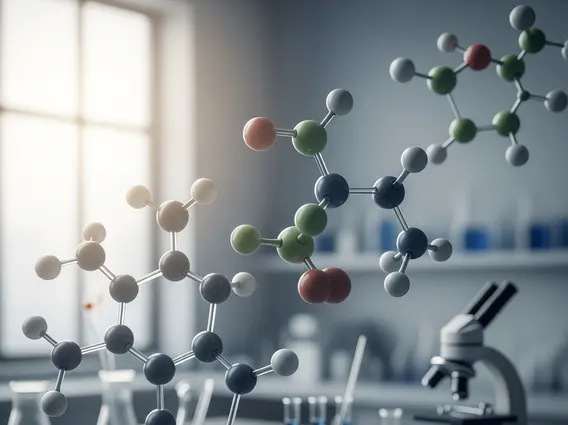
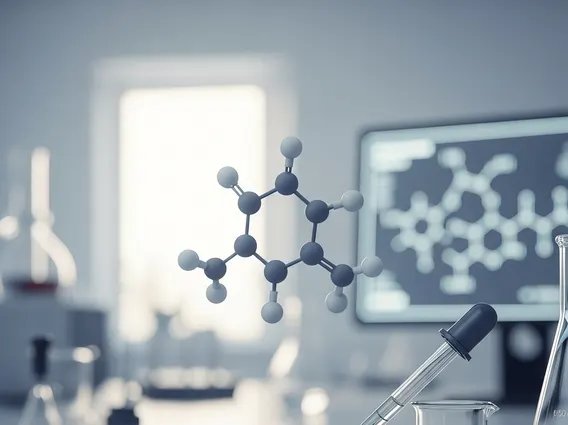
Ethylene Oxide (EtO) is an organic compound with the chemical formula C₂H₄O. It is a highly reactive cyclic ether that exists as a gas at room temperature. Its high reactivity makes it valuable in various chemical processes and applications, particularly in the medical field. Industrially, it is primarily produced through the direct oxidation of ethylene with oxygen, typically over a silver-based catalyst. This process, known as the Shell process or similar variants, is highly efficient and yields a significant amount of EtO for global demand. The majority of EtO produced is used as an intermediate in the manufacture of other chemicals, such as ethylene glycol, which is used in antifreeze and polyester fibers.
While its industrial production is extensive, its application in healthcare is distinct. The gas’s ability to penetrate materials and sterilize at lower temperatures makes it indispensable for items that cannot withstand high heat or moisture, such as certain plastics, electronics, and complex medical instruments. This method of sterilization is crucial for maintaining patient safety in hospitals and clinics worldwide.
Uses and Health Effects of Ethylene Oxide
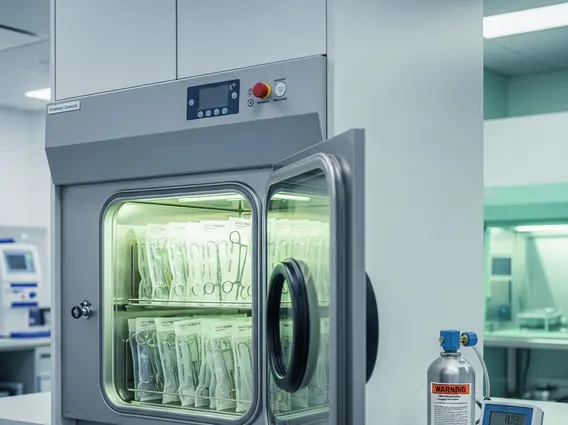
Ethylene Oxide is widely recognized for its efficacy as a sterilant, particularly for medical devices. What is ethylene oxide used for in healthcare is predominantly the sterilization of heat-sensitive medical equipment, including surgical instruments, catheters, and disposable medical products. Its gaseous nature allows it to penetrate packaging and sterilize items without causing damage that heat or steam might. Beyond medical applications, EtO is also used to sterilize certain food products, spices, and cosmetics, though these uses are less common and more heavily regulated.
Despite its utility, ethylene oxide health effects are a significant concern, especially with occupational exposure. Acute exposure can lead to immediate symptoms such as respiratory irritation, headaches, nausea, vomiting, and dizziness. Chronic exposure, which refers to repeated or long-term contact, has been linked to more severe health outcomes. The U.S. Environmental Protection Agency (EPA) classifies Ethylene Oxide as a human carcinogen, with studies indicating an increased risk of certain cancers, including lymphoma, leukemia, and breast cancer, among workers exposed to high levels over many years. Additionally, chronic exposure can cause neurological damage, reproductive issues, and genetic mutations. For instance, the National Institute for Occupational Safety and Health (NIOSH) has identified EtO as a potential occupational carcinogen, emphasizing the need for stringent exposure controls.
Ethylene Oxide Safety Information
Given the potential health risks associated with Ethylene Oxide, comprehensive ethylene oxide safety information and strict regulatory measures are crucial to protect workers, patients, and the environment. Regulatory bodies such as the Occupational Safety and Health Administration (OSHA) and the EPA set permissible exposure limits (PELs) and emission standards to minimize risk. Workplaces that use EtO for sterilization must implement engineering controls, such as closed-system sterilization equipment and robust ventilation systems, to prevent gas leaks and ensure proper air exchange.
Personal protective equipment (PPE) is also essential for workers handling EtO, including respirators, chemical-resistant gloves, and protective clothing. Regular monitoring of EtO levels in the air is necessary to ensure compliance with safety standards. For patients, devices sterilized with EtO undergo a crucial aeration process after sterilization to allow residual EtO to dissipate, reducing the risk of patient exposure. Manufacturers must validate these aeration times to ensure devices are safe for use. Adherence to these safety protocols is paramount to harnessing the benefits of EtO sterilization while mitigating its inherent dangers.
- Workplace Controls: Implement closed systems, local exhaust ventilation, and continuous air monitoring.
- Personal Protection: Use appropriate respirators, chemical-resistant gloves, and protective clothing.
- Emergency Preparedness: Establish clear emergency procedures, including spill response and first aid protocols.
- Patient Safety: Ensure adequate aeration of sterilized medical devices to minimize residual EtO.
- Regulatory Compliance: Adhere to OSHA, EPA, and other relevant health and safety guidelines.