Environmental Tobacco Smoke
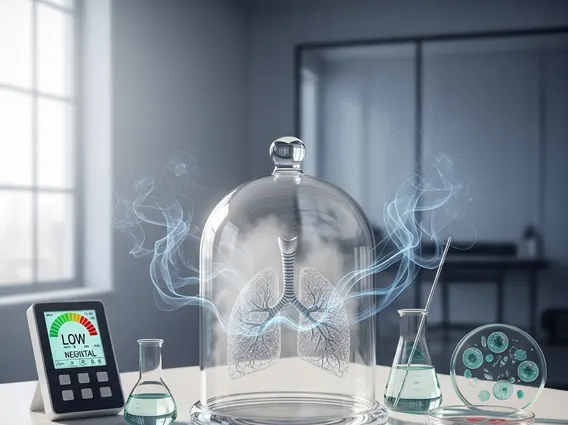
Environmental Tobacco Smoke (ETS), commonly known as secondhand smoke, poses significant health risks to individuals who are exposed to it, even if they do not smoke themselves. This article explores what ETS is, its profound health implications, and practical strategies to minimize exposure.
Key Takeaways
- Environmental Tobacco Smoke (ETS) is the smoke from burning tobacco products and smoke exhaled by smokers.
- It contains thousands of harmful chemicals, many of which are toxic and carcinogenic.
- Exposure to ETS, or passive smoking, significantly increases the risk of serious health conditions in non-smokers, including heart disease, lung cancer, and respiratory issues.
- Children are especially vulnerable to the adverse effects of secondhand smoke, experiencing higher rates of asthma, ear infections, and SIDS.
- Avoiding smoke-filled environments and establishing smoke-free policies are crucial steps to protect public health.
What is Environmental Tobacco Smoke (ETS)?
Environmental Tobacco Smoke (ETS) refers to the complex mixture of smoke that comes from the burning end of a cigarette, cigar, or pipe, and the smoke exhaled by the smoker. It is also widely known as secondhand smoke or involuntary smoke. Unlike direct smoking, ETS exposure occurs when non-smokers breathe in this contaminated air.
This smoke contains over 7,000 chemicals, with hundreds of them being toxic and at least 70 known to cause cancer. These harmful substances include nicotine, carbon monoxide, formaldehyde, benzene, and hydrogen cyanide. Because the smoke from the burning end of a tobacco product is not filtered, it often contains higher concentrations of carcinogens and toxic agents than the smoke inhaled by the smoker.
Health Effects and Dangers of Secondhand Smoke
The effects of secondhand smoke on health are extensive and well-documented, impacting nearly every organ system in the body. Non-smokers exposed to ETS face many of the same health risks as active smokers. The Centers for Disease Control and Prevention (CDC) states that there is no safe level of secondhand smoke exposure.
For adults, chronic exposure to ETS significantly increases the risk of cardiovascular diseases and lung cancer. According to the CDC, secondhand smoke causes nearly 34,000 premature deaths from heart disease and more than 7,300 deaths from lung cancer each year among non-smoking adults in the United States. It can also exacerbate existing conditions like asthma and chronic obstructive pulmonary disease (COPD).
The dangers of passive smoking are particularly severe for children. Infants and young children exposed to secondhand smoke are at a higher risk for:
- Sudden Infant Death Syndrome (SIDS)
- Acute respiratory infections, such as bronchitis and pneumonia
- More frequent and severe asthma attacks
- Ear infections (otitis media)
- Reduced lung function and impaired lung development
Pregnant women exposed to ETS are also at increased risk of having low birth weight babies and other pregnancy complications, highlighting the widespread impact of this environmental pollutant.
How to Avoid Secondhand Smoke Exposure
Protecting oneself and loved ones from secondhand smoke exposure is crucial for maintaining health. The most effective strategy is to create and maintain smoke-free environments. This means prohibiting smoking in all indoor spaces, including homes, cars, and workplaces.
Practical steps to minimize exposure include:
- Making your home smoke-free: Do not allow anyone to smoke inside your house, regardless of whether windows are open or fans are on.
- Making your car smoke-free: Enforce a strict no-smoking policy in your vehicle, especially when children are present.
- Choosing smoke-free venues: Opt for restaurants, hotels, and public places that have comprehensive smoke-free policies.
- Advocating for smoke-free policies: Support local and national efforts to implement and enforce smoke-free laws in public and private spaces.
- Educating others: Inform friends and family about the dangers of secondhand smoke and encourage them to adopt smoke-free habits around non-smokers.
Ventilation systems, air purifiers, and opening windows are generally ineffective at removing all the harmful chemicals from secondhand smoke. The only way to fully protect non-smokers is to eliminate smoking in indoor environments entirely.