Enlarged Prostate
An enlarged prostate is a common condition among aging men, often leading to uncomfortable urinary symptoms. Understanding this condition is crucial for early detection and effective management, improving quality of life.
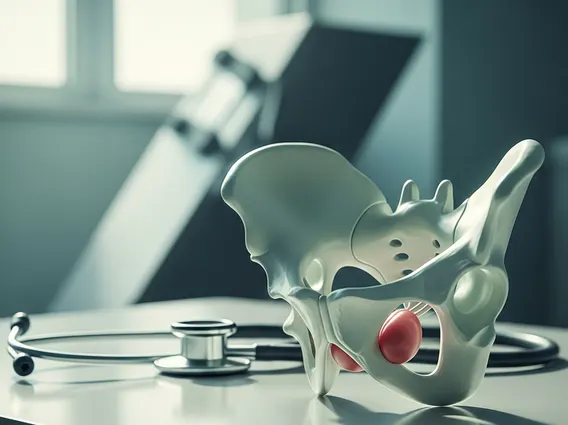
Key Takeaways
- Enlarged Prostate, medically known as Benign Prostatic Hyperplasia (BPH), is a non-cancerous growth of the prostate gland.
- Common symptoms include frequent urination, weak stream, and difficulty starting or stopping urination.
- The primary cause is age-related hormonal changes, though the exact mechanism is not fully understood.
- Early diagnosis and treatment can significantly alleviate symptoms and prevent complications.
- Lifestyle adjustments and medical interventions are available to manage the condition effectively.
What is an Enlarged Prostate?
An Enlarged Prostate, medically termed Benign Prostatic Hyperplasia (BPH), refers to the non-cancerous growth of the prostate gland. The prostate is a small, walnut-sized gland located just below the bladder in men, surrounding the urethra. Its primary function is to produce seminal fluid that nourishes and transports sperm. As men age, the cells of the prostate gland begin to multiply, causing the gland to swell. This enlargement can compress the urethra, leading to various urinary issues. BPH is not prostate cancer and does not increase the risk of developing prostate cancer, though the two conditions can coexist.
According to the American Urological Association, BPH affects about 50% of men between ages 51 and 60, and up to 90% of men over age 80. This prevalence highlights why understanding Enlarged prostate information is vital for men’s health as they age. The condition can significantly impact daily life due to its effect on urinary function.
Symptoms of Enlarged Prostate
The symptoms of an enlarged prostate often develop gradually and can vary in severity among individuals. These symptoms are primarily related to the obstruction of urine flow through the urethra and changes in the bladder’s function. While some men with significant prostate enlargement may experience only minor symptoms, others with less enlargement can have more bothersome issues.
Common symptoms of enlarged prostate include:
- Frequent or urgent need to urinate, especially at night (nocturia).
- Difficulty starting urination (hesitancy).
- A weak or slow urinary stream.
- A stream that stops and starts (intermittency).
- Dribbling at the end of urination.
- The feeling of incomplete bladder emptying.
- Straining during urination.
In some cases, more severe symptoms can develop, such as urinary tract infections, bladder stones, or even kidney damage if the obstruction is prolonged and severe. It is important to consult a healthcare professional if these symptoms arise to receive an accurate diagnosis and appropriate treatment.
Causes of Enlarged Prostate
The exact causes of an enlarged prostate are not fully understood, but it is primarily linked to the aging process and hormonal changes in men. As men age, the balance of hormones in their bodies shifts, particularly involving testosterone and estrogen. One key factor is dihydrotestosterone (DHT), a potent male hormone that plays a role in prostate growth. Even as testosterone levels decline with age, DHT levels often remain high in the prostate, stimulating cell growth.
Another theory suggests that as men age, the amount of active testosterone in the blood decreases, leaving a higher proportion of estrogen. Estrogen is thought to promote the growth of prostate cells. Genetic predisposition also plays a role, as men with a family history of BPH are more likely to develop the condition. While age and hormones are the primary drivers, certain risk factors may also contribute, including obesity, heart disease, and type 2 diabetes. However, these are considered secondary to the fundamental age-related hormonal shifts that lead to prostate enlargement.