Enhertu
Enhertu is a targeted therapy representing a significant advancement in oncology, specifically designed for the treatment of certain types of cancer. It offers a precise approach to delivering therapeutic agents directly to cancer cells.

Key Takeaways
- Enhertu is an antibody-drug conjugate (ADC) that targets HER2-positive cancer cells.
- It delivers a potent chemotherapy agent directly to tumor cells, minimizing systemic exposure.
- Primary uses include specific forms of HER2-positive breast, gastric, and non-small cell lung cancers.
- The mechanism involves binding to HER2 receptors and releasing a cytotoxic payload inside the cancer cell.
- Common side effects include nausea, fatigue, and hair loss, with careful monitoring required for more serious reactions like interstitial lung disease.
What is Enhertu?
Enhertu refers to trastuzumab deruxtecan, an innovative type of cancer medication classified as an antibody-drug conjugate (ADC). This therapy is engineered to precisely target and deliver chemotherapy directly to cancer cells, thereby minimizing damage to healthy tissues. It combines a humanized anti-HER2 monoclonal antibody (trastuzumab) with a topoisomerase I inhibitor payload (deruxtecan) via a cleavable linker. This design allows for a highly specific attack on cancer cells that overexpress the human epidermal growth factor receptor 2 (HER2) protein. According to the American Cancer Society, approximately 15-20% of breast cancers are HER2-positive, highlighting the importance of targeted therapies like Enhertu for a significant patient population.
How Does Enhertu Work?
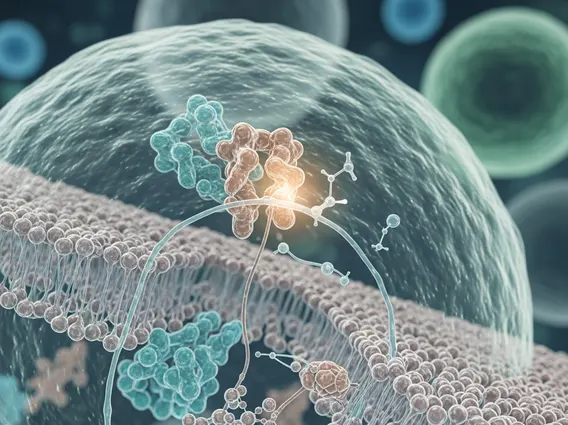
Enhertu operates through a sophisticated mechanism that leverages the overexpression of the HER2 protein on the surface of certain cancer cells. The antibody component of Enhertu, trastuzumab, specifically binds to these HER2 receptors. Once bound, the drug-receptor complex is internalized by the cancer cell through a process called receptor-mediated endocytosis. Inside the cell, the cleavable linker is broken down, releasing the potent chemotherapy agent, deruxtecan. This cytotoxic payload then disrupts DNA replication and leads to programmed cell death (apoptosis) in the cancer cell. This targeted delivery system allows for a higher concentration of chemotherapy within the tumor while significantly reducing systemic exposure and potential side effects on healthy cells throughout the body.
Enhertu Uses and Side Effects
Enhertu uses primarily include the treatment of specific types of HER2-positive cancers that have progressed after prior therapies or are unresectable or metastatic. These indications often include certain forms of HER2-positive breast cancer, HER2-low breast cancer, HER2-positive gastric or gastroesophageal junction adenocarcinoma, and non-small cell lung cancer with activating HER2 mutations. The specific eligibility criteria for Enhertu are determined by a patient’s medical history, prior treatments, and the molecular characteristics of their tumor, ensuring the therapy is applied where it is most likely to be effective.
Like all potent cancer therapies, Enhertu can cause a range of side effects, from mild to severe, which necessitate careful monitoring by healthcare professionals. Enhertu side effects are managed through supportive care and dose adjustments as needed. Common adverse reactions include:
- Nausea and vomiting
- Fatigue and weakness
- Hair loss (alopecia)
- Myelosuppression, leading to low blood cell counts (e.g., anemia, neutropenia)
- Diarrhea or constipation
- Decreased appetite
- Interstitial lung disease (ILD) / pneumonitis, a serious but less common pulmonary toxicity, requiring immediate medical attention if symptoms arise.
Patients receiving Enhertu are closely monitored for these and other potential adverse reactions, and supportive care is provided to manage symptoms and ensure patient safety throughout the treatment course.