Endoscopy
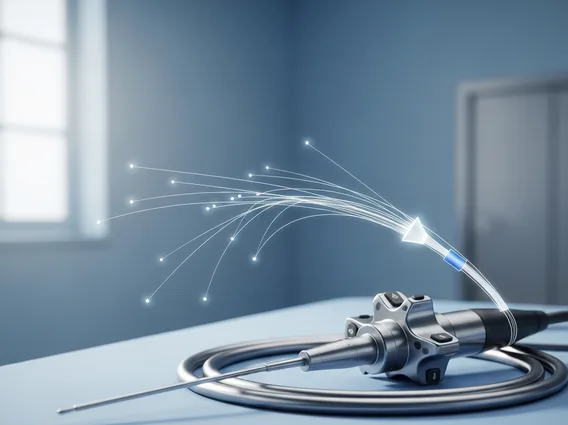
Endoscopy is a medical procedure that allows doctors to view the inside of a patient’s body using a long, thin, flexible tube equipped with a light and a camera. This minimally invasive technique is crucial for diagnosing and treating a wide range of conditions affecting various organ systems.
Key Takeaways
- Endoscopy is a minimally invasive procedure using a flexible tube with a camera to visualize internal organs.
- It is performed to diagnose symptoms, screen for diseases, and perform therapeutic interventions.
- Various types of endoscopy exist, each tailored to specific body parts, such as the gastrointestinal tract, respiratory system, or urinary tract.
- Preparation typically involves fasting and bowel cleansing, while recovery is usually short, often involving mild discomfort.
- The procedure is generally safe but carries minor risks, which are discussed with the patient beforehand.
What is Endoscopy and Why is it Performed?
Endoscopy is a medical procedure that involves inserting an endoscope—a flexible tube with a light and camera attached—into the body through a natural opening, such as the mouth or anus, or a small incision. This allows healthcare professionals to visualize the internal lining of organs and cavities, providing detailed images that are not obtainable through external imaging methods like X-rays alone. The primary goal of this procedure is to aid in diagnosis, screening, and sometimes treatment without the need for major surgery.
Physicians perform endoscopy for several key reasons. It is frequently used to investigate symptoms such as persistent abdominal pain, nausea, vomiting, gastrointestinal bleeding, difficulty swallowing, or unexplained weight loss. Beyond diagnosis, endoscopy plays a vital role in screening for certain conditions, such as colorectal cancer, and can be used to take biopsies (tissue samples) for further examination. Therapeutically, endoscopes can be fitted with small tools to perform interventions like removing polyps, stopping bleeding, dilating narrowed passages, or retrieving foreign objects. This versatility makes it an indispensable tool in modern medicine, offering a less invasive alternative to open surgery for many conditions.
Types of Endoscopy and Procedure Overview
There are numerous types of endoscopy, each designed to examine specific areas of the body, allowing for targeted diagnosis and treatment. The choice of procedure depends on the patient’s symptoms and the area of concern. For instance, an upper endoscopy (esophagogastroduodenoscopy or EGD) examines the esophagus, stomach, and duodenum, while a colonoscopy focuses on the large intestine. Other specialized types include bronchoscopy for the airways, cystoscopy for the bladder, and enteroscopy for the small intestine. The specific instruments and techniques vary slightly depending on the target organ, but the underlying principle of using a flexible tube with a camera remains consistent.
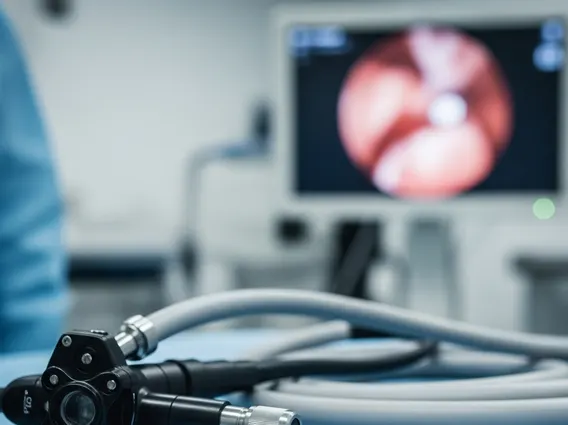
The general process of how an endoscopy is performed involves several steps. Patients are typically given a sedative to ensure comfort and relaxation throughout the procedure. The endoscope is then carefully guided into the body. The camera transmits real-time images to a monitor, allowing the doctor to meticulously examine the internal structures. If necessary, small instruments can be passed through channels in the endoscope to collect tissue samples (biopsies), remove polyps, or perform other therapeutic actions. The duration of the procedure varies, but most endoscopies are completed within 30 to 60 minutes. The information gathered from these procedures, including visual findings and biopsy results, helps guide subsequent treatment decisions.
Types of endoscopy and their uses are diverse, addressing a wide range of medical needs. Here are a few common examples:
- Gastroscopy: Examines the esophagus, stomach, and duodenum for ulcers, inflammation, or tumors.
- Colonoscopy: Screens for and removes polyps in the large intestine, crucial for colorectal cancer prevention.
- Bronchoscopy: Visualizes the airways to diagnose lung conditions, infections, or blockages.
- Cystoscopy: Inspects the bladder and urethra for issues like infections, stones, or tumors.
- Endoscopic Retrograde Cholangiopancreatography (ERCP): Combines endoscopy and X-rays to diagnose and treat problems in the bile and pancreatic ducts.
Endoscopy Preparation and Recovery
Proper Endoscopy preparation and recovery are crucial for the safety and effectiveness of the procedure. Preparation typically involves specific dietary restrictions, such as fasting for several hours before the procedure, to ensure the digestive tract is clear for optimal visualization. For procedures like colonoscopy, patients must follow a bowel cleansing regimen using laxatives to thoroughly empty the colon. It is also important to inform the medical team about any medications, allergies, or existing health conditions, as some medications, particularly blood thinners, may need to be adjusted or temporarily stopped before the endoscopy.
After the endoscopy, patients are monitored in a recovery area until the effects of sedation wear off. It is common to experience some mild discomfort, such as bloating, gas, or a sore throat, depending on the type of endoscopy performed. Due to the sedation, patients are advised not to drive, operate heavy machinery, or make important decisions for the rest of the day and should arrange for someone to take them home. Most individuals can resume their normal diet and activities the following day, though specific post-procedure instructions will be provided by the healthcare team. Complications are rare but can include bleeding or perforation, and patients are instructed on what symptoms to watch for and when to seek medical attention.