Endometrium
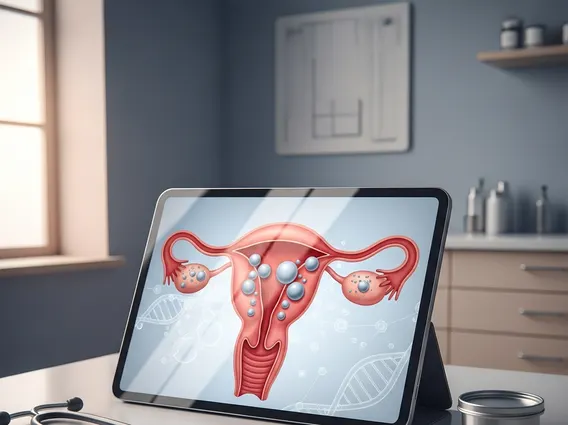
The endometrium is the inner lining of the uterus, a vital tissue that plays a crucial role in female reproductive health. Its dynamic nature allows it to undergo significant changes throughout the menstrual cycle, preparing the uterus for potential pregnancy.
Key Takeaways
- The endometrium is the inner lining of the uterus, essential for reproduction.
- It consists of two main layers: the functionalis, which sheds during menstruation, and the basalis, which regenerates the functionalis.
- The primary function of the endometrial lining is to prepare for and support the implantation of a fertilized egg.
- Hormonal fluctuations, particularly of estrogen and progesterone, regulate the cyclical changes of the endometrium.
- If pregnancy does not occur, the functionalis layer is shed, resulting in menstruation.
What is the Endometrium?
The Endometrium refers to the mucous membrane that lines the inside of the uterus. This specialized tissue is central to the female reproductive system, undergoing cyclical changes in response to ovarian hormones. Its primary function is to create a suitable environment for the implantation of a fertilized egg, thereby supporting the early stages of pregnancy. If implantation does not occur, the superficial layer of the endometrium is shed, leading to menstruation.
The health and proper functioning of the endometrium are critical for fertility and overall reproductive well-being. Conditions affecting this lining can impact a woman’s ability to conceive or carry a pregnancy to term, highlighting its significance in reproductive biology.
Endometrial Anatomy and Structure
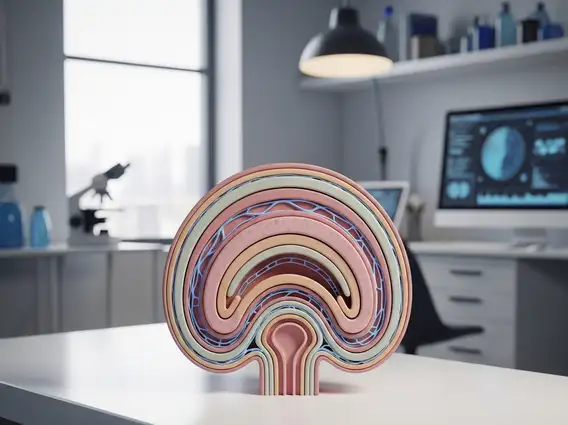
The **endometrium anatomy and structure** are complex and designed for its specific reproductive functions. It is composed of two distinct layers, each with a unique role in the menstrual cycle and pregnancy:
- Stratum Functionalis (Functional Layer): This is the superficial layer of the endometrium, which undergoes significant growth and differentiation each month. It is rich in glands and blood vessels, preparing to receive and nourish an embryo. If pregnancy does not occur, the stratum functionalis is shed during menstruation.
- Stratum Basalis (Basal Layer): Located beneath the functionalis, this deeper layer remains relatively constant throughout the menstrual cycle. Its primary role is to regenerate the stratum functionalis after menstruation, ensuring the continuous renewal of the uterine lining.
These layers are supported by a connective tissue stroma and supplied by a dense network of spiral arteries, which are crucial for the cyclical changes and the nourishment of a developing embryo. The intricate structure allows for rapid growth and controlled shedding, adapting to the body’s reproductive needs.
Function and Purpose of the Endometrial Lining
The **endometrium function and purpose** are intrinsically linked to the menstrual cycle and the process of reproduction. The primary role of this lining is to prepare the uterus for pregnancy. Under the influence of estrogen, the endometrial lining thickens and becomes highly vascularized, a process known as proliferation. Following ovulation, progesterone, produced by the corpus luteum, further transforms the lining, making it receptive to a fertilized egg. This phase is characterized by the secretion of nutrients from the endometrial glands, creating an ideal environment for implantation.
This preparation is often referred to as the **endometrial lining explanation** for its role in supporting early embryonic development. If a fertilized egg successfully implants, the endometrium continues to grow and differentiate, forming the maternal part of the placenta, which sustains the pregnancy. Conversely, if implantation does not occur, the levels of estrogen and progesterone drop, leading to the breakdown and shedding of the functional layer, which is observed as menstruation. This cyclical renewal ensures that a fresh, receptive lining is available each month for potential pregnancy.