Endometriosis
Endometriosis is a chronic condition where tissue similar to the lining inside the uterus, called the endometrium, grows outside the uterus. This can lead to significant pain and other health complications for affected individuals.
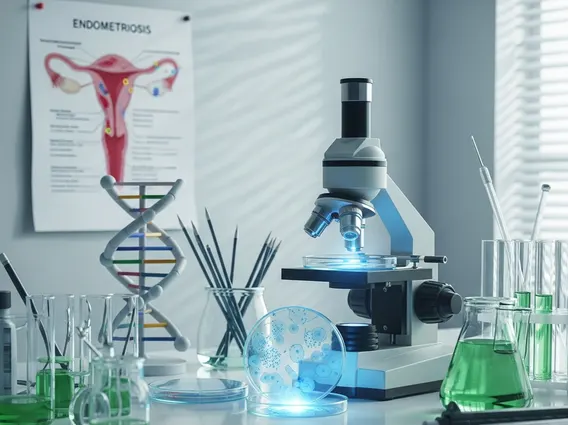
Key Takeaways
- Endometriosis involves endometrial-like tissue growing outside the uterus, causing pain and inflammation.
- Common symptoms include severe pelvic pain, heavy periods, and infertility, often leading to delayed diagnosis.
- While the exact cause is unknown, theories include retrograde menstruation and genetic factors.
- The condition can significantly impact a woman’s physical and mental health, including fertility.
- Treatment options range from pain management and hormonal therapies to surgical interventions.
What is Endometriosis: Symptoms and Diagnosis
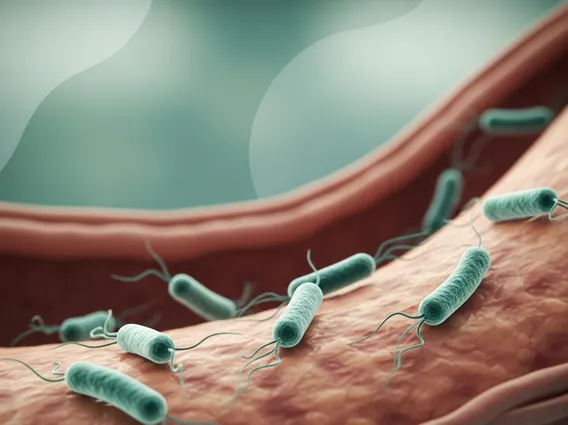
Endometriosis is a chronic condition characterized by the presence of endometrial-like tissue outside the uterus. This tissue responds to hormonal changes of the menstrual cycle, thickening, breaking down, and bleeding, but with no way to exit the body, it can cause inflammation, pain, and scar tissue formation. According to the World Health Organization (WHO), Endometriosis affects an estimated 10% (190 million) of reproductive-aged women and girls globally, often leading to a significant impact on their quality of life.
The primary symptom associated with Endometriosis is pelvic pain, which can vary in intensity and location. Understanding what is endometriosis and its symptoms is crucial for early detection. Common symptoms include:
- Dysmenorrhea: Painful periods that are more severe than usual and may worsen over time.
- Chronic Pelvic Pain: Persistent pain in the pelvis, often unrelated to the menstrual cycle.
- Dyspareunia: Pain during or after sexual intercourse.
- Dyschezia: Painful bowel movements, especially during menstruation.
- Dysuria: Painful urination, particularly during menstruation.
- Infertility: Difficulty conceiving, affecting up to 30-50% of women with Endometriosis.
- Heavy or Irregular Bleeding: Menorrhagia (heavy periods) or metrorrhagia (bleeding between periods).
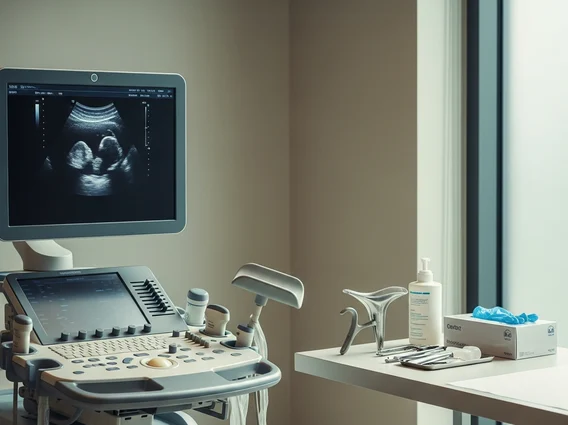
Diagnosing Endometriosis can be challenging and often involves a combination of medical history, physical examination, imaging tests like ultrasound or MRI, and sometimes laparoscopy, which is currently the definitive method for diagnosis. A healthcare provider will evaluate symptoms and may perform these tests to confirm the presence and extent of endometrial implants.
Causes, Risk Factors, and Health Impact
The exact causes and risk factors of endometriosis are not fully understood, but several theories and contributing factors have been identified. One prominent theory is retrograde menstruation, where menstrual blood containing endometrial cells flows back through the fallopian tubes into the pelvic cavity instead of out of the body. Other theories include cellular metaplasia, where cells outside the uterus transform into endometrial-like cells, and immune system dysfunction, which may fail to recognize and destroy misplaced endometrial tissue.
Risk factors for developing Endometriosis include a family history of the condition, early onset of menstruation (menarche), shorter menstrual cycles, heavy menstrual bleeding, and conditions that obstruct the outflow of menstrual blood. Conversely, factors such as pregnancy, breastfeeding, and later menarche may be associated with a lower risk.
How does endometriosis affect women’s health extends beyond physical pain. The chronic nature of the condition can significantly impact mental health, leading to anxiety, depression, and reduced quality of life. The persistent pain can interfere with daily activities, work, and relationships. Furthermore, Endometriosis is a leading cause of infertility, as the presence of endometrial implants can distort pelvic anatomy, cause inflammation, and impair egg and sperm function or transport. Women with Endometriosis may also face an increased risk of certain cancers, although this is rare and requires further research.
Endometriosis Treatment and Management
The approach to endometriosis treatment options and management is highly individualized, depending on the severity of symptoms, the extent of the disease, and the patient’s desire for future fertility. The primary goals of treatment are to alleviate pain, reduce the size of endometrial implants, and improve fertility outcomes where desired.
Medical management often involves pain relief medications, such as nonsteroidal anti-inflammatory drugs (NSAIDs), to manage menstrual cramps and pelvic pain. Hormonal therapies are also commonly used to suppress the growth of endometrial tissue by reducing estrogen levels or creating a pseudo-pregnancy or pseudo-menopause state. These include:
| Treatment Type | Mechanism | Examples |
|---|---|---|
| Hormonal Contraceptives | Suppress ovulation and reduce menstrual flow. | Birth control pills, patches, vaginal rings. |
| GnRH Agonists/Antagonists | Induce a temporary menopause-like state. | Leuprolide, Elagolix. |
| Progestin Therapy | Thins the endometrial lining and reduces growth. | Oral progestins, IUDs (e.g., levonorgestrel-releasing). |
Surgical intervention, typically laparoscopy, is often used to diagnose Endometriosis and remove endometrial implants, scar tissue, and adhesions. For severe cases or when fertility is not a concern, a hysterectomy (removal of the uterus) and oophorectomy (removal of the ovaries) may be considered, though this is usually a last resort.
Beyond medical and surgical options, lifestyle adjustments such as regular exercise, stress management techniques, and dietary changes may help manage symptoms for some individuals. While complementary therapies may offer supportive care, it is important to note that they do not replace conventional medical treatment and should be discussed with a healthcare provider to ensure they are safe and appropriate for individual circumstances.