
Endometrial Hyperplasia
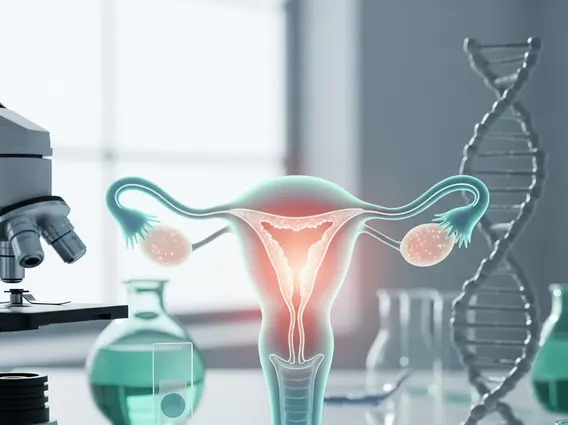
Endometrial hyperplasia is a condition characterized by the excessive growth of the cells lining the uterus, known as the endometrium. While not cancerous itself, certain types of endometrial hyperplasia can increase the risk of developing endometrial cancer.
Key Takeaways
- Endometrial Hyperplasia involves an abnormal thickening of the uterine lining.
- It is primarily caused by an imbalance of hormones, specifically excess estrogen without sufficient progesterone.
- The most common symptom is abnormal uterine bleeding, especially in perimenopausal and postmenopausal women.
- Hyperplasia is categorized as either without atypia or with atypia, with atypical hyperplasia carrying a higher risk of progressing to cancer.
- Treatment options range from hormonal therapy to surgical removal of the uterus, depending on the type and severity of the condition.
What is Endometrial Hyperplasia?
Endometrial Hyperplasia refers to a condition where the endometrium, the inner lining of the uterus, becomes abnormally thick due to an overgrowth of its cells. This proliferation is often benign but can, in some cases, be a precursor to endometrial cancer. It is a relatively common condition, particularly affecting women during perimenopause and after menopause. For instance, according to the American College of Obstetricians and Gynecologists (ACOG), approximately 131 per 100,000 women are diagnosed with endometrial hyperplasia annually, highlighting its prevalence.
The condition is classified into two main categories: hyperplasia without atypia and atypical hyperplasia. Hyperplasia without atypia involves an increase in the number of endometrial glands without abnormal cellular changes, carrying a low risk of progressing to cancer. Atypical hyperplasia, however, involves abnormal cellular changes (atypia) within the overgrown endometrial tissue and poses a significantly higher risk of evolving into endometrial cancer if left untreated.
Symptoms and Causes of Endometrial Hyperplasia
The primary indicator of endometrial hyperplasia is abnormal uterine bleeding. This symptom is crucial for early detection, especially in women approaching or past menopause. Recognizing these signs can prompt timely medical evaluation.
Common signs and symptoms include:
- Heavy or prolonged menstrual bleeding (menorrhagia)
- Bleeding between periods
- Irregular menstrual cycles
- Postmenopausal bleeding (any bleeding after menopause)
- Periods that occur more frequently than every 21 days
The main cause of endometrial hyperplasia is prolonged exposure to estrogen without adequate progesterone to balance its effects. Estrogen stimulates the growth of the endometrium, while progesterone helps to shed it. An imbalance, often referred to as estrogen dominance, leads to continuous growth without shedding, resulting in thickening. Several factors can contribute to this hormonal imbalance and increase a woman’s risk:
- Obesity, as fat tissue produces estrogen
- Polycystic Ovary Syndrome (PCOS) or other conditions causing irregular ovulation
- Estrogen-only hormone therapy (without progesterone) after menopause
- Tamoxifen, a drug used in breast cancer treatment, which can act like estrogen on the uterus
- Early onset of menstruation or late menopause
- Never having been pregnant
Endometrial Hyperplasia Treatment Options
Treatment for endometrial hyperplasia depends significantly on whether atypia is present, the patient’s age, her desire for future fertility, and her overall health. The goal of treatment is to reduce the risk of progression to cancer and alleviate symptoms.
For hyperplasia without atypia, treatment often involves hormonal therapy. Progestins, synthetic forms of progesterone, are commonly prescribed to counteract the effects of estrogen and induce shedding of the endometrial lining. This can be administered orally, through an intrauterine device (IUD) that releases progestin directly into the uterus, or via injections. Regular follow-up biopsies are essential to monitor the response to treatment and ensure the condition does not worsen.
When atypical hyperplasia is diagnosed, the risk of developing endometrial cancer is substantially higher. For women who have completed childbearing or are postmenopausal, a hysterectomy (surgical removal of the uterus) is often recommended as the definitive treatment to eliminate the risk of cancer. For younger women who wish to preserve fertility, high-dose progestin therapy may be considered, but this requires very close monitoring with frequent biopsies to ensure the atypical cells regress. If medical management fails or the atypia persists, surgery may become necessary.



















