
Endometrial
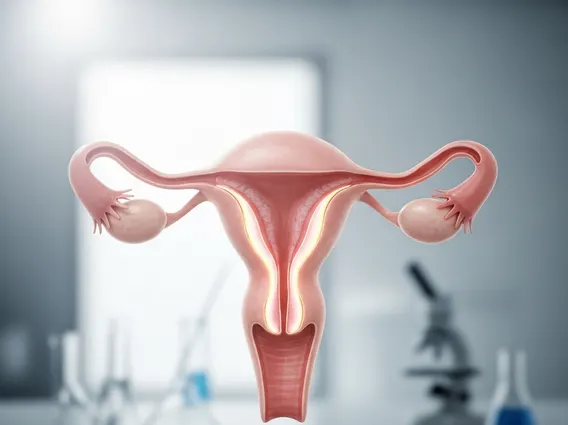
Endometrial refers to anything pertaining to the endometrium, the inner lining of the uterus that plays a crucial role in the female reproductive system. This specialized tissue undergoes cyclical changes in preparation for potential pregnancy.
Key Takeaways
- Endometrial tissue is the inner lining of the uterus, essential for reproduction.
- The endometrial lining function involves preparing the uterus for embryo implantation and shedding during menstruation.
- Hormones like estrogen and progesterone regulate the cyclical growth and breakdown of the endometrium.
- Various endometrial conditions, such as endometriosis and hyperplasia, can cause symptoms like abnormal bleeding and pain.
- Regular medical check-ups and awareness of symptoms are vital for understanding endometrial health.
What is Endometrial Tissue?
Endometrial tissue is the mucous membrane that lines the inside of the uterus. This dynamic tissue is central to female reproductive health, undergoing significant changes throughout the menstrual cycle. It is composed of glandular cells and stromal cells, supported by a rich blood supply, all designed to create an optimal environment for a fertilized egg.
The endometrium consists of two main layers: the functional layer (stratum functionalis) and the basal layer (stratum basalis). The functional layer is the part that thickens and sheds during menstruation if pregnancy does not occur. The basal layer remains intact and is responsible for regenerating the functional layer in each cycle.
Function of the Endometrial Lining
The primary endometrial lining function is to prepare the uterus for pregnancy. Under the influence of hormones, particularly estrogen and progesterone, the endometrium thickens and becomes rich in blood vessels and nutrients. This provides a soft, nourishing bed for a fertilized egg (embryo) to implant and grow.
If conception does not occur, the levels of estrogen and progesterone drop, leading to the breakdown and shedding of the functional layer of the endometrium. This process is known as menstruation. This cyclical preparation and shedding are vital for reproductive capability. According to the World Health Organization (WHO), reproductive health, including the healthy function of the endometrium, is a cornerstone of overall well-being for women globally.
Endometrial Conditions and Their Symptoms
Various conditions can affect the endometrium, leading to a range of symptoms and potential health complications. Recognizing endometrial conditions symptoms is crucial for early diagnosis and effective management. These conditions can significantly impact a woman’s quality of life and fertility.
Common endometrial conditions include:
- Endometriosis: A condition where endometrial-like tissue grows outside the uterus, often on ovaries, fallopian tubes, and other pelvic organs. Symptoms can include severe pelvic pain, painful periods (dysmenorrhea), pain during intercourse (dyspareunia), and infertility.
- Endometrial Hyperplasia: Characterized by an overgrowth of the endometrial lining, often due to an excess of estrogen without sufficient progesterone. It can cause abnormal uterine bleeding, such as heavy or prolonged periods, or bleeding between periods. In some cases, it can be a precursor to endometrial cancer.
- Endometrial Cancer: A type of cancer that begins in the cells of the endometrium. It is the most common gynecologic cancer in the United States. Key symptoms often include abnormal vaginal bleeding, especially postmenopausal bleeding, pelvic pain, and changes in bowel or bladder habits.
- Adenomyosis: Occurs when endometrial tissue grows into the muscular wall of the uterus (myometrium). This can lead to heavy, prolonged menstrual bleeding, severe menstrual cramps, and chronic pelvic pain.
For individuals, understanding endometrial health involves being aware of these potential conditions and seeking medical advice for any persistent or unusual symptoms. Early detection and appropriate medical intervention are key to managing these conditions effectively and preserving reproductive health.



















