Endocrine Gland
Endocrine glands are vital components of the human body, responsible for producing and secreting hormones directly into the bloodstream. These chemical messengers regulate a vast array of physiological processes, maintaining the body’s internal balance and coordinating various functions.
Key Takeaways
- Endocrine Gland refers to a ductless gland that secretes hormones directly into the bloodstream.
- Hormones are chemical messengers that regulate critical bodily functions, including metabolism, growth, and mood.
- These glands are integral to the endocrine system explained, a complex network controlling internal balance.
- Major examples include the pituitary, thyroid, adrenal, and pancreas, each with specialized roles.
- Dysfunction in endocrine glands can lead to a wide range of health conditions due to hormonal imbalances.
What is an Endocrine Gland?
An Endocrine Gland is a specialized organ that produces and releases hormones directly into the circulatory system, rather than through ducts. Unlike exocrine glands, which secrete substances like sweat or digestive enzymes through ducts onto a surface or into a cavity, endocrine glands are ductless. Their secretions, known as hormones, travel through the bloodstream to target cells and organs throughout the body, where they exert specific effects.
The intricate network of these glands constitutes the endocrine system explained, a major regulatory system alongside the nervous system. This system plays a crucial role in maintaining homeostasis, influencing nearly every cell, organ, and function of the body. Hormones act as chemical signals, coordinating complex processes such as growth, metabolism, reproduction, and stress response, ensuring the body functions optimally.
Function of Endocrine Glands
The primary function of endocrine glands is the synthesis and secretion of hormones, which act as chemical messengers to regulate various physiological processes. These hormones travel through the bloodstream to distant target cells, where they bind to specific receptors and trigger a response. The precise control exerted by these glands is essential for maintaining the body’s internal environment and adapting to external changes.
The functions regulated by hormones are incredibly diverse and include:
- Metabolism: Controlling how the body uses and stores energy from food.
- Growth and Development: Influencing physical growth from childhood through adulthood.
- Reproduction: Regulating sexual development, fertility, and pregnancy.
- Mood and Cognition: Affecting emotional states, stress responses, and cognitive functions.
- Fluid and Electrolyte Balance: Maintaining appropriate levels of water and salts in the body.
- Sleep-Wake Cycles: Influencing circadian rhythms.
Each hormone has a specific role, and its concentration in the blood is tightly regulated by feedback mechanisms, ensuring that levels remain within a healthy range. Imbalances, whether too much or too little of a hormone, can lead to significant health problems.
Types of Endocrine Glands
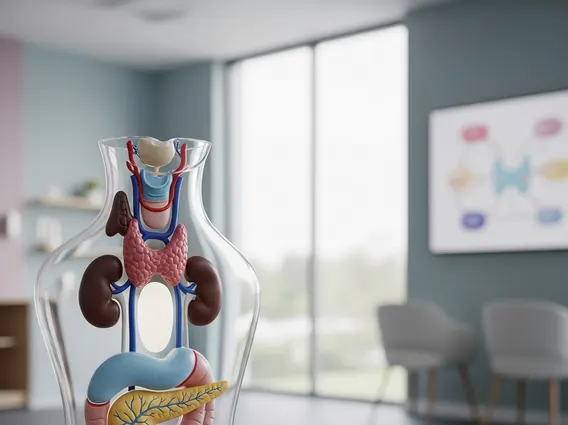
The human body contains several major endocrine glands, each responsible for producing distinct hormones that regulate specific bodily functions. Understanding the different types of endocrine glands is key to appreciating the complexity and importance of the endocrine system.
Here are some of the principal endocrine glands:
- Pituitary Gland: Often called the “master gland,” it is located at the base of the brain and produces hormones that control other endocrine glands, as well as growth, blood pressure, and water balance.
- Thyroid Gland: Situated in the neck, it produces thyroid hormones (T3 and T4) that regulate metabolism, energy levels, and growth.
- Parathyroid Glands: Four small glands located on the thyroid, they produce parathyroid hormone (PTH), which controls calcium levels in the blood and bones.
- Adrenal Glands: Located atop each kidney, these glands produce hormones like cortisol (stress response) and adrenaline (fight-flight response), as well as aldosterone (blood pressure regulation).
- Pancreas: While also having exocrine functions, its endocrine cells (islets of Langerhans) produce insulin and glucagon, essential for regulating blood sugar levels.
- Gonads: These include the testes in males (producing testosterone) and ovaries in females (producing estrogen and progesterone), responsible for sexual development and reproduction.
- Pineal Gland: Located in the brain, it produces melatonin, which helps regulate sleep-wake cycles.
- Thymus Gland: Located in the chest, it plays a crucial role in the development of the immune system during childhood.
These glands work in concert, with their hormones interacting in complex ways to maintain the body’s delicate physiological balance.