Endocervical Canal
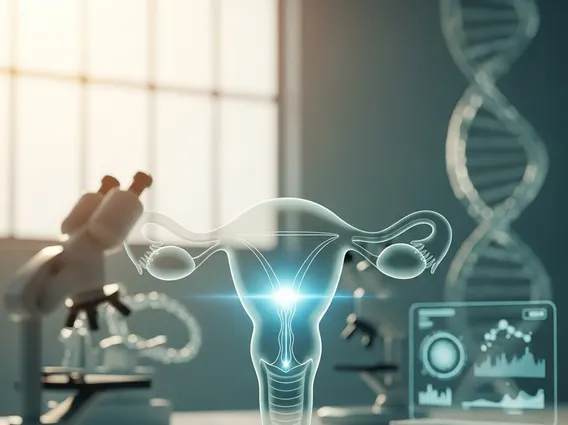
The endocervical canal is a vital anatomical structure within the female reproductive system, playing a crucial role in reproduction and acting as a protective barrier. Understanding its composition and function is essential for comprehending various gynecological processes and conditions.
Key Takeaways
- The Endocervical Canal is the passageway through the cervix, connecting the uterine cavity to the vagina.
- It is lined with glandular cells that produce mucus, which changes consistency throughout the menstrual cycle to facilitate or impede sperm passage.
- This canal serves as a critical barrier against infections ascending into the uterus.
- Its cellular lining is frequently sampled during Pap tests to screen for cervical abnormalities and cancer.
- The canal’s dynamic nature is integral to both fertility and protection of the upper reproductive tract.
What is the Endocervical Canal?
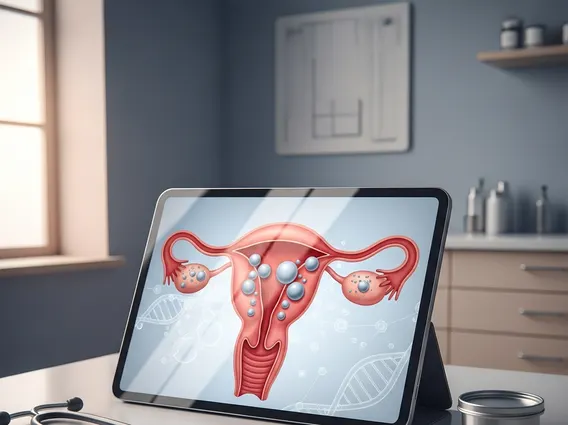
The Endocervical Canal refers to the narrow, tubular passage that runs through the cervix, which is the lower, cylindrical part of the uterus. This canal acts as a crucial connection point, linking the main body of the uterus (specifically the uterine cavity) with the vagina. Its primary role is to facilitate the passage of sperm into the uterus for fertilization and to allow menstrual blood to exit. The endocervical canal meaning extends beyond mere passage; it is also a dynamic environment, lined with specialized glandular cells that produce cervical mucus. This mucus plays a significant role in reproductive health, changing its properties in response to hormonal fluctuations throughout the menstrual cycle. For instance, during ovulation, the mucus becomes thin and watery to aid sperm transport, while at other times, it is thick and forms a plug to prevent the entry of pathogens.
Anatomy and Function of the Endocervical Canal
The endocervical canal anatomy is characterized by its unique cellular lining and structural position. It is approximately 2-3 centimeters long and is bordered by two openings: the internal os, which opens into the uterine cavity, and the external os, which opens into the vagina. The canal itself is lined primarily by columnar glandular epithelium, which is responsible for mucus production. This contrasts with the stratified squamous epithelium that typically lines the ectocervix (the outer portion of the cervix that protrudes into the vagina). The junction where these two types of epithelia meet is called the squamocolumnar junction (SCJ), a critical area for cervical cancer screening due to its susceptibility to cellular changes. The cells of the endocervical canal are highly responsive to hormonal signals, particularly estrogen and progesterone, which regulate the quantity and quality of cervical mucus.
The function of the endocervical canal is multifaceted and vital for female reproductive health. Its primary roles include:
- Sperm Transport: During the fertile window, under the influence of estrogen, the cervical mucus produced within the canal becomes less viscous and more alkaline. This change creates microscopic channels that facilitate the passage of sperm from the vagina into the uterus, significantly aiding in fertilization.
- Barrier Protection: At other times of the menstrual cycle, and especially during pregnancy, progesterone causes the cervical mucus to become thick and acidic, forming a protective plug. This plug acts as a physical and immunological barrier, preventing bacteria, viruses, and other pathogens from ascending from the vagina into the uterus and upper reproductive tract, thereby protecting against infections such as pelvic inflammatory disease (PID).
- Menstrual Flow: The canal provides the necessary conduit for menstrual blood and uterine tissue to exit the uterus and flow out of the body during menstruation.
- Cervical Screening: The cells lining the endocervical canal are routinely sampled during a Papanicolaou (Pap) test. This screening procedure is essential for detecting abnormal cellular changes, including precancerous lesions and cervical cancer, particularly those originating from the glandular cells of the endocervix (adenocarcinoma). Early detection through such screenings significantly improves treatment outcomes. According to the World Health Organization (WHO), regular cervical screening can reduce the incidence of cervical cancer by up to 80% in screened populations, highlighting the canal’s importance in public health initiatives.
The dynamic nature of the endocervical canal, with its changing mucus properties and critical anatomical position, underscores its importance in both fertility and the overall health of the female reproductive system.