Emphysema
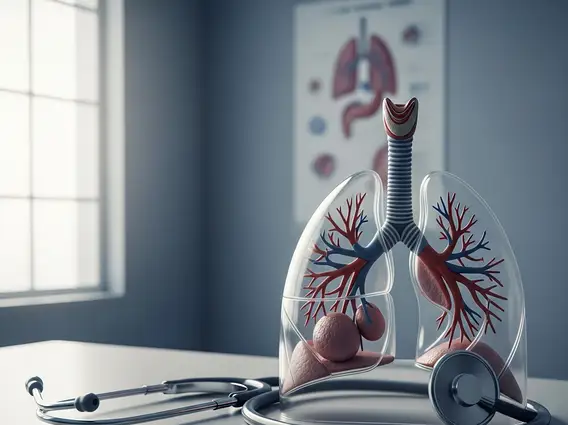
Emphysema is a chronic lung condition that gradually damages the air sacs (alveoli) in the lungs, making it progressively harder to breathe. It is a serious component of chronic obstructive pulmonary disease (COPD) that significantly impacts respiratory function.
Key Takeaways
- Emphysema is a chronic lung disease characterized by irreversible damage to the alveoli, leading to impaired oxygen exchange.
- The primary cause is long-term exposure to airborne irritants, most notably cigarette smoke, with genetic factors also playing a role.
- Common symptoms include progressive shortness of breath, chronic cough, and wheezing.
- Diagnosis involves lung function tests like spirometry and imaging studies such as chest X-rays or CT scans.
- Treatment focuses on managing symptoms, slowing disease progression, and improving quality of life through medication, oxygen therapy, and pulmonary rehabilitation.
What is Emphysema and Its Causes?
Emphysema is a type of chronic obstructive pulmonary disease (COPD) that involves damage to the air sacs (alveoli) in the lungs. These tiny, delicate air sacs are responsible for the exchange of oxygen and carbon dioxide. In emphysema, the inner walls of the alveoli weaken and rupture, creating larger, less efficient air spaces instead of many small ones. This reduction in surface area significantly decreases the amount of oxygen that can enter the bloodstream and the amount of carbon dioxide that can be exhaled, leading to chronic shortness of breath.
The primary cause of emphysema is long-term exposure to airborne irritants. The most significant risk factor is cigarette smoking, which accounts for the vast majority of cases. Toxins in cigarette smoke trigger inflammation and destroy the elastic fibers in the lungs, leading to alveolar damage. Other contributing factors include exposure to secondhand smoke, air pollution, and occupational dusts and chemicals. A less common cause is Alpha-1 antitrypsin deficiency (AAT deficiency), a genetic condition that makes individuals more susceptible to lung damage. According to the Centers for Disease Control and Prevention (CDC), chronic lower respiratory diseases, primarily COPD (which includes emphysema), were the sixth leading cause of death in the United States in 2021, highlighting their significant public health burden.
Emphysema Symptoms, Diagnosis, and Treatment Options
The symptoms of emphysema often develop gradually over many years, typically worsening as the disease progresses. Initial signs may be mild and easily dismissed, but they become more pronounced as lung damage increases. Common symptoms include:
- Progressive shortness of breath (dyspnea), particularly during physical activity, which can eventually occur even at rest.
- Chronic cough, which may or may not produce mucus.
- Wheezing, a whistling sound during breathing.
- Chest tightness.
- Fatigue and reduced exercise tolerance.
Diagnosing emphysema involves a thorough review of medical history, a physical examination, and several diagnostic tests. Lung function tests, especially spirometry, are crucial; they measure how much air a person can inhale and exhale, and how quickly. Imaging tests, such as chest X-rays and computed tomography (CT) scans, can reveal characteristic changes in the lungs, such as enlarged air spaces and flattened diaphragms. Blood tests may also be conducted to check for conditions like Alpha-1 antitrypsin deficiency.
Treatment for emphysema and management aims to relieve symptoms, prevent complications, and slow the progression of lung damage, as there is currently no cure. Management strategies often involve a combination of approaches:
- Bronchodilators: Medications that relax the muscles around the airways, helping to open them up and make breathing easier.
- Inhaled steroids: Reduce inflammation in the airways.
- Oxygen therapy: For individuals with low blood oxygen levels, supplemental oxygen can improve breathing and overall quality of life.
- Pulmonary rehabilitation: A comprehensive program that includes exercise training, nutritional counseling, and disease management education to help patients improve their physical condition and cope with their illness.
- Surgery: In select cases, lung volume reduction surgery (to remove damaged lung tissue) or a lung transplant may be considered for severe emphysema.
Living with Emphysema: Daily Challenges
Living with emphysema daily challenges can be substantial, impacting nearly every aspect of an individual’s life. The persistent shortness of breath, even with minimal exertion, can severely limit physical activity, making simple tasks like walking, dressing, or showering incredibly difficult. This can lead to a loss of independence and a reduced quality of life. Many individuals with emphysema also experience chronic fatigue, which further exacerbates their limitations.
Beyond the physical symptoms, emphysema can also lead to significant emotional and psychological challenges. The chronic nature of the disease and its progressive impact on daily functioning can contribute to feelings of anxiety, depression, and social isolation. Managing the condition effectively requires strict adherence to prescribed medications, regular participation in pulmonary rehabilitation, and diligent avoidance of lung irritants like smoke and pollution. Support groups and counseling can be invaluable resources for coping with the emotional burden of the disease. Regular follow-up appointments with healthcare providers are essential to monitor lung function, adjust treatment plans as needed, and address any emerging complications, ensuring the best possible management of this chronic condition.