Emollient
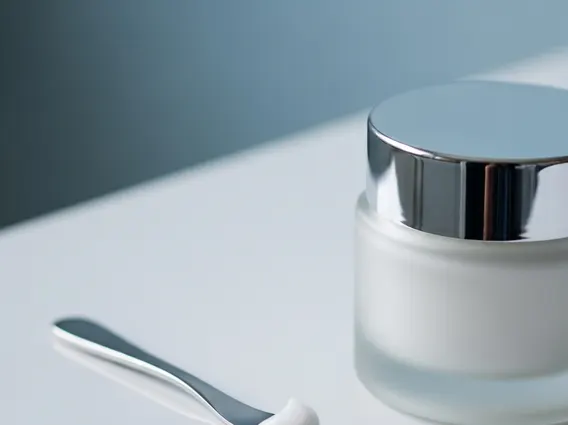
An Emollient is a vital component in dermatological care, primarily used to hydrate and soothe the skin. These preparations are instrumental in managing various dry skin conditions by restoring the skin’s natural barrier function.
Key Takeaways
- Emollients are moisturizing treatments that form a protective film on the skin’s surface to trap moisture.
- They are crucial for managing dry skin conditions such as eczema, psoriasis, and ichthyosis.
- Different types of emollients, including lotions, creams, and ointments, offer varying levels of hydration and barrier protection.
- Regular and correct application of emollients helps reduce itching, inflammation, and improve skin texture.
- Choosing the right emollient depends on skin type, condition severity, and personal preference.
What is an Emollient and How Does It Work?
An Emollient is a medical term referring to a class of moisturizing treatments designed to hydrate and soften the skin, particularly beneficial for individuals with dry, flaky, or itchy skin conditions. These preparations work by creating a protective barrier on the skin’s surface, which helps to prevent water loss and maintain the skin’s natural moisture levels. This action is crucial for restoring the compromised skin barrier often seen in conditions like eczema, psoriasis, and ichthyosis.
Emollients function by filling in the gaps between skin cells, smoothing the skin, and reducing roughness. They typically contain a mix of lipids (oils) and water, with the oil component forming an occlusive layer that slows down transepidermal water loss. The humectant ingredients, if present, also draw moisture from the deeper layers of the skin or the environment into the epidermis. This dual action helps to rehydrate the stratum corneum, the outermost layer of the skin, making it more supple and less prone to cracking or irritation. Regular application helps to improve skin elasticity and resilience, providing relief from discomfort associated with dry skin.
Types of Emollients and Their Benefits
The market offers various types of emollients for skin, each formulated with different ratios of oil to water, leading to distinct textures and levels of hydration. These variations allow for tailored treatment based on the severity of the skin condition, the patient’s skin type, and personal preference. Understanding these differences is key to maximizing their therapeutic effects.
Common types of emollients include:
- Lotions: These are light and contain a high water content, making them easy to spread and quickly absorbed. They are suitable for mild dryness or for use during warmer weather when a less greasy feel is preferred.
- Creams: Thicker than lotions, creams have a balanced oil-to-water ratio. They provide good hydration without feeling excessively greasy and are a popular choice for moderate dry skin conditions.
- Ointments: Ointments have the highest oil content and are the greasiest and most occlusive. They are highly effective for very dry, thickened, or severely compromised skin, offering intense hydration and barrier protection, especially beneficial for nighttime use or in colder climates.
- Gels: Often oil-free or with minimal oil, gels are light and non-greasy, suitable for oily or acne-prone skin that still requires hydration.
- Bath Additives and Soap Substitutes: These are designed to cleanse the skin without stripping its natural oils, providing emollient benefits during washing.
The emollient cream benefits and those of other forms extend beyond simple moisturization. They play a crucial role in reducing itching, inflammation, and the frequency of flare-ups in chronic skin conditions. By strengthening the skin barrier, emollients can decrease the penetration of irritants and allergens, thereby improving overall skin health and comfort. Consistent use can lead to significant improvements in skin texture, softness, and a reduction in scaling and redness, enhancing the quality of life for individuals with persistent dry skin issues. According to the National Eczema Association, regular use of emollients is a cornerstone of eczema management, helping to repair the skin barrier and reduce symptoms.