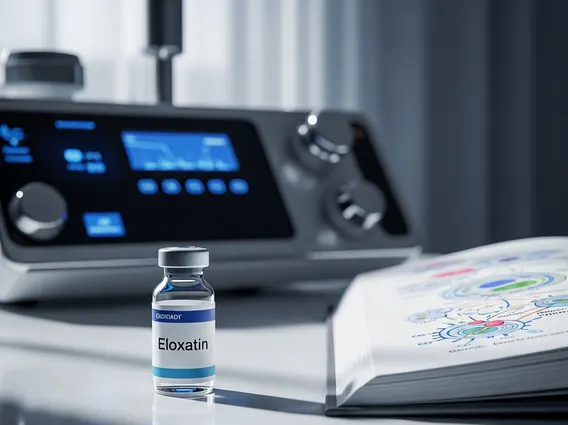
Eloxatin
Eloxatin is a chemotherapy medication used in the treatment of certain cancers. Understanding its mechanism, applications, and potential side effects is crucial for patients and healthcare providers.
Key Takeaways
- Eloxatin is a platinum-based chemotherapy drug primarily used for colorectal cancer.
- It works by damaging cancer cell DNA, preventing their growth and division.
- Common side effects include nerve damage (neuropathy), nausea, and fatigue.
- Dosage is individualized and administered intravenously by healthcare professionals.
- Close monitoring for adverse reactions is essential throughout treatment.
What is Eloxatin and What is it Used For?
Eloxatin is the brand name for the chemotherapy drug oxaliplatin. It is a platinum-based antineoplastic agent, meaning it contains platinum and is designed to combat cancer by interfering with the growth of cancer cells. As a vital component in oncology, it plays a significant role in various treatment regimens.
Eloxatin is used for the treatment of advanced colorectal cancer. Specifically, it is often administered in combination with other chemotherapy drugs, such as fluorouracil and leucovorin, in regimens like FOLFOX (folinic acid, fluorouracil, oxaliplatin). This combination therapy is commonly employed for both adjuvant treatment (after surgery to prevent recurrence) and for metastatic disease (cancer that has spread to other parts of the body). Its efficacy in these settings has made it a cornerstone of modern colorectal cancer therapy.
How Does Eloxatin Work?
Eloxatin functions as an alkylating agent, a class of chemotherapy drugs that work by directly damaging the DNA of cancer cells. The platinum component of Eloxatin forms cross-links within the DNA strands. These cross-links prevent DNA replication and transcription, processes vital for cell division and survival. By disrupting these fundamental cellular mechanisms, Eloxatin effectively inhibits the growth and proliferation of rapidly dividing cancer cells, ultimately leading to their death. This targeted interference with DNA synthesis is what makes it an effective cytotoxic agent against various malignancies.
Eloxatin Side Effects and Dosage Information
Understanding Eloxatin side effects is important for managing treatment and patient well-being. Like most chemotherapy drugs, Eloxatin can cause a range of adverse reactions, as it affects both cancer cells and healthy rapidly dividing cells in the body.
Common side effects often include:
- Peripheral neuropathy: This is a notable side effect, characterized by tingling, numbness, pain, or weakness, particularly in the hands and feet. It can be exacerbated by cold exposure.
- Nausea and vomiting: These are frequently managed with antiemetic medications.
- Fatigue: A common experience, ranging from mild to severe.
- Diarrhea or constipation.
- Low blood cell counts: Leading to increased risk of infection (neutropenia), anemia (low red blood cells), and bleeding (thrombocytopenia).
- Mouth sores (mucositis).
More serious, but less common, side effects can include allergic reactions, liver problems, and lung toxicity. Patients are closely monitored throughout their treatment for any signs of these adverse events.
Eloxatin dosage information is highly individualized and determined by an oncologist based on several factors, including the patient’s body surface area, overall health, specific cancer type, and the chemotherapy regimen being used. Eloxatin is administered intravenously (into a vein) over a period, typically two hours, and is given in cycles, often every two weeks. The exact number of cycles and duration of treatment will vary depending on the patient’s response and tolerance to the medication. It is crucial that Eloxatin is prepared and administered by trained healthcare professionals in a clinical setting, with careful attention to infusion rates and patient monitoring to minimize risks and optimize therapeutic outcomes.