Electron Beam
Electron Beam therapy is a specialized form of external beam radiation therapy widely utilized in the medical field, particularly in oncology. It involves the use of high-energy electrons to treat various types of cancer, especially those located superficially.
Key Takeaways
- Electron Beam therapy is a precise radiation treatment for superficial cancers.
- It works by accelerating electrons to high energies, which then penetrate tissues to a limited depth.
- The primary advantage is its ability to spare deeper, healthy tissues and critical organs.
- Common applications include skin cancers, breast cancer, and certain lymph node areas.
- Treatment planning is crucial to ensure accurate dose delivery and minimize side effects.
What is Electron Beam?
Electron Beam refers to a stream of high-energy electrons used in radiation therapy to treat specific types of cancer. This advanced medical technique is a cornerstone of modern oncology, offering a highly precise method for targeting malignant cells. The electron beam definition and uses primarily revolve around its ability to deliver a concentrated dose of radiation to superficial tumors while minimizing exposure to underlying healthy tissues and organs. Unlike photon (X-ray) therapy, which penetrates deeply, electron beams deposit most of their energy within a defined, shallow depth, making them ideal for treating cancers close to the skin surface.
The application of Electron Beam therapy is carefully planned by a team of radiation oncologists, medical physicists, and dosimetrists. This collaborative approach ensures that the treatment is tailored to the individual patient’s anatomy and tumor characteristics, maximizing efficacy while safeguarding patient well-being. According to the American Cancer Society, radiation therapy, including electron beam therapy, is a vital component in the treatment of over half of all cancer patients.
How Do Electron Beams Work?
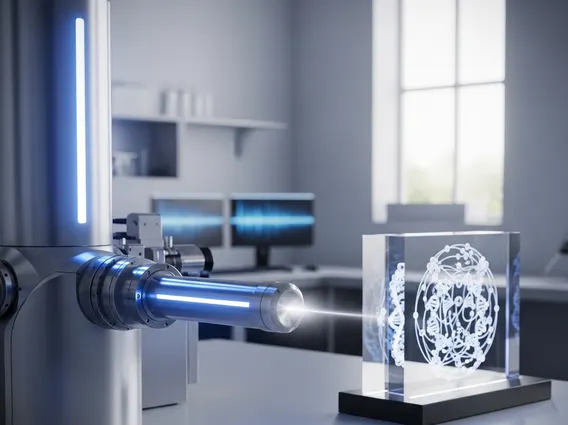
Electron beams work by generating and accelerating electrons to very high speeds, which are then directed towards the cancerous tissue. This process begins within a linear accelerator, a sophisticated machine that produces these high-energy electrons. Once generated, these electrons are shaped and focused into a precise beam using magnetic fields and scattering foils to achieve a uniform dose distribution across the target area. The electron beam technology employed allows for meticulous control over the beam’s energy and penetration depth.
When these high-energy electrons interact with biological tissue, they transfer their energy, causing ionization and damage to the DNA of cancer cells. This damage impairs the cancer cells’ ability to grow and divide, ultimately leading to their destruction. A key characteristic of electron beams is their rapid dose fall-off beyond a certain depth, meaning that the radiation dose quickly diminishes after reaching the target depth. This property is crucial for sparing deeper healthy tissues and vital organs, thereby reducing potential side effects associated with radiation exposure.
Electron Beam Applications and Uses
The electron beam applications in medicine are diverse, primarily focusing on superficial and moderately deep tumors where sparing underlying structures is critical. This therapy is particularly effective for cancers located on or close to the skin surface, as well as certain regional lymph node areas. Its precision makes it an invaluable tool in various oncology settings.
Common conditions treated with Electron Beam therapy include:
- Skin Cancers: Basal cell carcinoma and squamous cell carcinoma, especially in cosmetically sensitive areas like the face.
- Breast Cancer: Often used for boost radiation after lumpectomy, targeting the tumor bed to reduce recurrence risk, particularly when the tumor is superficial or close to the chest wall.
- Lymphoma: For treating superficial lymph node involvement or skin lymphomas.
- Head and Neck Cancers: When tumors are located in superficial areas, minimizing dose to sensitive structures like the spinal cord or salivary glands.
- Keloids: Post-surgical radiation to prevent recurrence of excessive scar tissue formation.
The decision to use Electron Beam therapy is made after careful consideration of the tumor’s size, location, and proximity to critical structures, as well as the patient’s overall health. Its ability to deliver a high dose to the target volume while minimizing collateral damage to healthy tissue underscores its importance in modern radiation oncology.