Electrofulguration
Electrofulguration is a precise medical technique widely utilized in various clinical settings. This procedure employs high-frequency electrical currents to destroy abnormal tissues, offering a targeted approach to treatment.
Key Takeaways
- Electrofulguration uses high-frequency electrical energy to precisely destroy unwanted tissues.
- It is a minimally invasive medical procedure often performed in outpatient settings.
- The technique is commonly employed for the removal of skin lesions, warts, and certain superficial tumors.
- Benefits include precise tissue destruction, minimal bleeding, and often rapid healing.
What is Electrofulguration?
Electrofulguration is a medical procedure that uses high-frequency electrical current to destroy tissue by desiccation and carbonization. This technique involves applying a spark from an electrode held slightly away from the tissue surface, causing superficial destruction without direct contact. It is a form of electrosurgery, distinguished by its non-contact approach and the specific type of tissue effect it produces. The controlled application of electrical energy allows for precise removal or destruction of abnormal growths while minimizing damage to surrounding healthy tissue. This method is particularly valued for its ability to treat lesions on the skin’s surface with high accuracy.
How Electrofulguration Works: The Medical Procedure
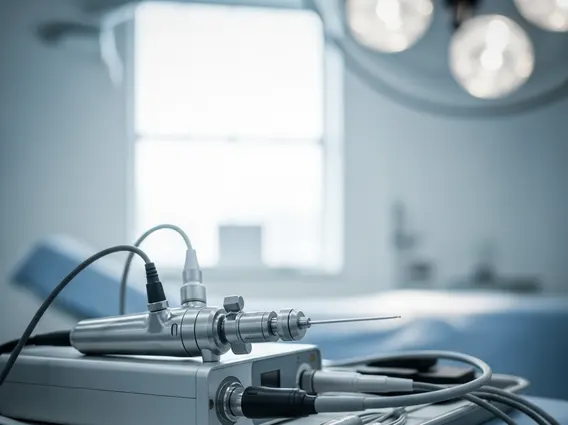
The electrofulguration medical procedure involves the use of a specialized electrosurgical unit. This unit generates a high-frequency alternating current that is delivered to a small, pointed electrode. When the electrode is held a short distance from the target tissue, an electrical spark jumps across the gap. This spark delivers concentrated heat to the tissue surface, causing rapid dehydration (desiccation) and carbonization. The procedure is typically performed under local anesthesia, ensuring patient comfort and minimizing pain. The physician carefully controls the intensity and duration of the electrical current, allowing for precise and superficial tissue destruction. This meticulous control is crucial for achieving optimal results and preventing unnecessary damage to surrounding healthy skin. The non-contact nature of fulguration also helps to reduce the risk of spreading infectious agents.
Uses and Benefits of Electrofulguration
Electrofulguration uses and benefits are significant across several medical specialties, particularly in dermatology and oncology for superficial lesions. This versatile technique is frequently employed for the removal of various benign and malignant skin conditions, offering a less invasive alternative to traditional surgical excision in many cases.
Common applications include:
- Warts: Including common warts, plantar warts, and genital warts.
- Seborrheic Keratoses: Non-cancerous skin growths that often appear as brown, black, or light tan spots.
- Actinic Keratoses: Precancerous lesions caused by sun exposure.
- Small Basal Cell Carcinomas: A common type of skin cancer, especially superficial forms, where the lesion is scraped and then fulgurated.
- Skin Tags: Small, benign growths that hang off the skin.
The benefits of electrofulguration include its precision, which allows for targeted tissue destruction with minimal impact on adjacent healthy areas. It also offers excellent hemostasis (control of bleeding) due to the cauterizing effect of the electrical current, leading to a relatively bloodless field during the procedure. This often results in quicker procedure times and a reduced risk of infection post-treatment. Patients typically experience minimal discomfort during and after the procedure, with good cosmetic outcomes, especially for superficial lesions, as it generally leaves a flat scar or no scar at all. Its efficiency and effectiveness make it a preferred choice for many dermatological interventions.