
Electroconvulsive Therapy
Electroconvulsive Therapy (ECT) is a medical procedure involving a brief, controlled electrical stimulation of the brain, primarily used to treat severe mental health conditions. It is a highly effective treatment, particularly for individuals who have not responded to other therapies.
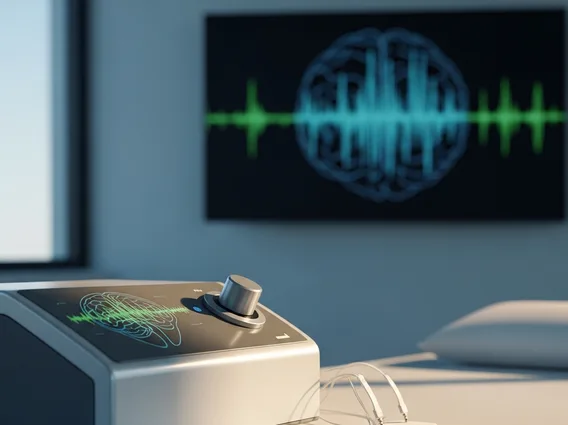
Key Takeaways
- Electroconvulsive Therapy (ECT) is a medical procedure that induces a brief, controlled seizure in the brain to treat severe mental illnesses.
- It is typically considered for conditions like severe depression, bipolar disorder, and catatonia when other treatments have been ineffective.
- The procedure involves electrodes placed on the scalp, delivering a controlled electrical current under general anesthesia.
- Benefits include rapid symptom improvement, especially for severe depression, while potential risks involve temporary memory loss and confusion.
- ECT is administered in a series of sessions, often two to three times a week, under careful medical supervision.
What is Electroconvulsive Therapy (ECT) and How It Works
Electroconvulsive Therapy (ECT) is a psychiatric treatment that involves passing small electrical currents through the brain to trigger a brief seizure. This procedure is performed under general anesthesia and muscle relaxants, ensuring the patient’s comfort and safety. The goal is to induce a controlled seizure, which is believed to cause changes in brain chemistry that can rapidly reverse symptoms of certain severe mental illnesses.
The process of how Electroconvulsive Therapy works involves several steps. Before the procedure, a medical team conducts a thorough evaluation, including physical examinations and blood tests, to ensure the patient is a suitable candidate. During the treatment, electrodes are placed on specific areas of the patient’s scalp. A carefully controlled electrical current is then delivered for a few seconds, inducing a seizure that typically lasts for less than a minute. The patient is closely monitored throughout the procedure, with vital signs, brain activity (EEG), and heart activity (ECG) continuously observed. While the exact mechanisms are not fully understood, it is thought that the induced seizure affects neurotransmitters in the brain, such as serotonin, norepinephrine, and dopamine, leading to an improvement in mood and other symptoms.
Indications, Benefits, and Potential Risks of ECT
Electroconvulsive Therapy is primarily indicated for severe, treatment-resistant mental health conditions. It is often considered when other treatments, such as medication and psychotherapy, have not been effective or when a rapid response is medically necessary. One of its most well-known applications is for severe depression. Electroconvulsive Therapy for depression is highly effective, particularly for major depressive disorder with psychotic features, severe melancholic depression, or when there is a high risk of suicide. Other indications include severe bipolar disorder (manic or depressive episodes), catatonia, and sometimes schizophrenia, especially when other treatments have failed. According to the American Psychiatric Association, ECT can be effective in 70-90% of individuals with severe depression who have not responded to antidepressants.
The benefits and risks of ECT treatment are important considerations for patients and their families. The primary benefit is its rapid and robust efficacy in treating severe mental illnesses, often providing relief much faster than medication. This can be life-saving in acute situations. However, like any medical procedure, ECT carries potential risks and side effects. Most side effects are temporary and resolve shortly after treatment.
- Temporary Memory Loss: Patients may experience retrograde amnesia (difficulty recalling events before ECT) or anterograde amnesia (difficulty forming new memories). This usually improves over weeks to months.
- Confusion: Immediately after treatment, patients may feel disoriented or confused, which typically subsides within minutes to hours.
- Physical Side Effects: These can include headache, muscle aches, nausea, or jaw pain, often managed with medication.
- Cardiovascular Risks: Though rare, there are risks associated with general anesthesia and the seizure itself, such as changes in heart rate or blood pressure, which are carefully monitored.
Decisions regarding ECT are made collaboratively between the patient, their family, and a multidisciplinary medical team, weighing the potential benefits against the risks in each individual case. It is a highly regulated procedure, performed by trained professionals in controlled environments.



















