EGFR Gene
The EGFR Gene plays a pivotal role in regulating cell growth, division, and survival. Understanding its normal function and how mutations can alter its activity is crucial for comprehending various diseases, particularly cancer.

Key Takeaways
- The EGFR Gene encodes a protein vital for cell growth and division, acting as a receptor on cell surfaces.
- Normal EGFR function involves binding growth factors to initiate signaling pathways crucial for healthy cellular processes.
- Mutations in the EGFR Gene can lead to uncontrolled cell proliferation, a hallmark of cancer.
- These mutations are particularly significant in non-small cell lung cancer, influencing disease progression and treatment strategies.
- Targeted therapies are often designed to inhibit the mutated EGFR protein, offering personalized treatment options.
What is the EGFR Gene?
The EGFR Gene (Epidermal Growth Factor Receptor gene) is a critical component of human genetics, located on chromosome 7. This gene provides the essential instructions for making the epidermal growth factor receptor protein, a type of protein prominently found on the surface of many cells throughout the body. Its fundamental role involves receiving external signals, which then trigger a precisely orchestrated cascade of biochemical events inside the cell, influencing various cellular behaviors.
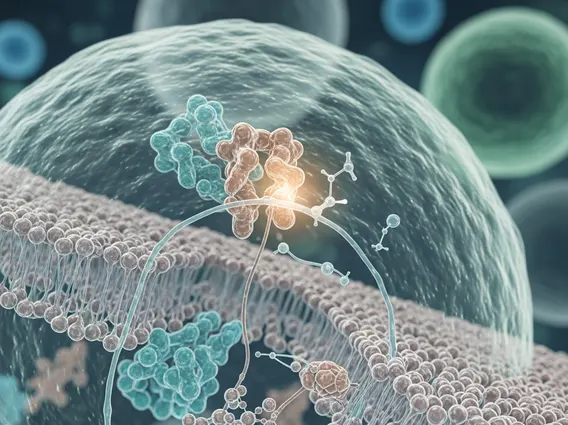
The EGFR protein functions as a transmembrane receptor, meaning it is embedded within the cell membrane, with distinct regions extending both outside and inside the cell. The extracellular domain is responsible for binding specific growth factors, such as epidermal growth factor (EGF) and transforming growth factor-alpha (TGF-α). When these ligands bind, they activate the intracellular tyrosine kinase domain, initiating signaling pathways that are crucial for cellular communication and regulation.
EGFR Gene Function and Role
The normal EGFR gene function and role are indispensable for maintaining healthy cellular activity and tissue homeostasis. Upon activation by its specific ligands, the EGFR protein initiates a complex network of intracellular signaling pathways. These pathways meticulously control vital cellular processes including cell growth, proliferation, differentiation, and survival. Such precise regulation is crucial for numerous physiological functions, ranging from embryonic development and organ formation to tissue repair and the continuous renewal of epithelial tissues like the skin and lining of organs.
For example, in response to tissue damage, EGFR signaling is rapidly activated to stimulate the division and migration of new cells, facilitating wound healing. The delicate balance of EGFR activity is paramount; both insufficient and excessive signaling can lead to cellular dysfunction or disease. This intricate regulatory mechanism ensures that cells grow and divide only when and where necessary, preventing uncontrolled expansion while supporting the body’s essential biological functions.
EGFR Gene Mutations in Cancer Development
Mutations in the EGFR Gene can dramatically alter its normal function, leading to the dysregulation of cellular processes and contributing significantly to disease. When EGFR gene mutations explained, they are understood as genetic alterations that typically result in a receptor that is constitutively active. This means the receptor remains “on” and signals continuously, even in the absence of its normal growth factor ligands. This persistent activation drives uncontrolled cell growth, proliferation, and survival, which are fundamental hallmarks of cancer. These mutations are particularly well-studied and clinically significant in non-small cell lung cancer (NSCLC), where they act as potent oncogenic drivers.
The most common types of activating EGFR mutations frequently observed in NSCLC patients include:
- Deletions in exon 19: These are small deletions within the gene’s exon 19 region, leading to a truncated and hyperactive receptor.
- L858R point mutation: A specific amino acid substitution at position 858 in exon 21, which also results in increased kinase activity.
These activating mutations are found in approximately 10-15% of NSCLC cases in Western populations and up to 30-50% in East Asian populations, according to data from reliable health organizations such as the American Cancer Society. The presence of these specific mutations is a critical factor in how the EGFR gene in cancer development progresses, as they promote tumor growth, enhance cell survival, and facilitate metastasis. Understanding these genetic alterations has been pivotal in developing targeted therapies, known as EGFR tyrosine kinase inhibitors (TKIs), which specifically block the activity of the mutated EGFR protein, offering more effective and personalized treatment options for patients whose tumors harbor these genetic alterations.