Egf
Epidermal Growth Factor (EGF) is a naturally occurring protein that plays a crucial role in cell growth, proliferation, and differentiation. It is vital for maintaining healthy skin and supporting various biological processes within the body.

Key Takeaways
- Epidermal Growth Factor (EGF) is a protein essential for cell growth, healing, and skin regeneration.
- EGF works by binding to specific receptors on cell surfaces, triggering pathways that promote cell division and repair.
- In skincare, EGF is valued for its potential to support collagen and elastin production, contributing to skin rejuvenation.
- Its natural role in wound healing makes it a subject of interest for various therapeutic applications beyond cosmetics.
What is Epidermal Growth Factor (EGF)?
Epidermal Growth Factor (EGF) is a small, naturally occurring protein that acts as a signaling molecule, stimulating cell growth, proliferation, and differentiation. Discovered in the 1960s, its significance in biological processes, particularly in wound healing and tissue repair, quickly became evident. This protein is present in various bodily fluids and tissues, where it helps regulate the development and maintenance of epithelial cells, which form the protective outer layer of the skin and line many internal organs.
The primary function of EGF revolves around its ability to promote cellular regeneration. It is a key component in the body’s natural healing mechanisms, facilitating the repair of damaged tissues and the replacement of old cells with new ones. Understanding what is Egf reveals its fundamental role in cellular communication and its broad impact on physiological functions, from embryonic development to adult tissue maintenance.
How Does EGF Work in the Body and Skin?
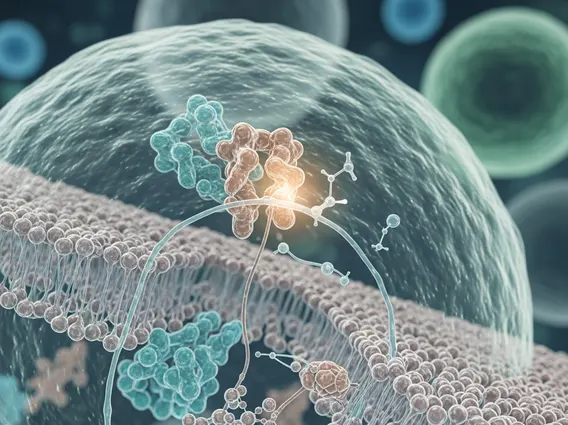
Epidermal Growth Factor exerts its effects by binding to specific receptors located on the surface of cells, known as Epidermal Growth Factor Receptors (EGFRs). This binding initiates a cascade of intracellular signaling pathways that ultimately lead to changes in gene expression, promoting cell division, migration, and survival. In the skin, this mechanism is crucial for maintaining the integrity and health of the epidermis, the outermost layer.
When EGF binds to its receptor, it triggers processes such as DNA synthesis and protein production, which are essential for cell proliferation and tissue repair. This action helps to accelerate wound healing by promoting the growth of new skin cells and the formation of granulation tissue. Furthermore, it supports the synthesis of structural proteins like collagen and elastin, which are vital for skin elasticity and firmness. This intricate cellular communication explains how does Egf work to orchestrate complex biological responses necessary for tissue regeneration and overall skin vitality.
EGF Benefits for Skin Health and Skincare
The profound regenerative capabilities of Epidermal Growth Factor have led to its significant application in skincare. The primary Egf benefits for skin stem from its ability to stimulate cellular renewal and repair. As we age, the natural production of EGF in the body decreases, which can contribute to slower cell turnover, reduced collagen production, and the appearance of fine lines and wrinkles. Incorporating EGF into skincare products aims to counteract these effects by providing an external source of this vital protein.
When applied topically, EGF can help promote the regeneration of skin cells, leading to a smoother, more youthful complexion. Its role in stimulating collagen and elastin synthesis can improve skin elasticity and firmness, reducing the visible signs of aging. Additionally, EGF can aid in accelerating the skin’s healing process, making it beneficial for addressing minor skin damage and improving overall skin texture. The concept of Egf in skincare explained highlights its potential to support the skin’s natural repair mechanisms, contributing to enhanced radiance and resilience.
Beyond anti-aging, EGF’s restorative properties are also explored in treatments for various skin concerns, including post-procedure recovery and improving the appearance of scars. While research continues to evolve, the consensus among dermatological studies suggests that EGF can be a valuable ingredient in formulations designed to support skin health and rejuvenation.