Efudex
Efudex is a topical medication commonly prescribed in dermatology and oncology. It is primarily used to treat various skin conditions, including certain types of pre-cancerous and cancerous lesions.
Key Takeaways
- Efudex is a brand name for the chemotherapy drug fluorouracil, primarily used topically.
- It works by interfering with the growth of abnormal cells, particularly those found in certain skin conditions.
- Commonly prescribed for actinic keratosis, superficial basal cell carcinoma, and Bowen’s disease.
- Treatment often involves a course of application, leading to a localized inflammatory response.
- Patients may experience side effects such as redness, scaling, pain, and itching at the application site.
What is Efudex (Fluorouracil) and How It Works
Efudex refers to a topical chemotherapy medication containing the active ingredient fluorouracil (5-FU). Fluorouracil is an antimetabolite, a type of drug that interferes with the metabolism of DNA and RNA in rapidly growing cells. This mechanism makes it effective against cells that are dividing quickly, such as cancerous or pre-cancerous cells.
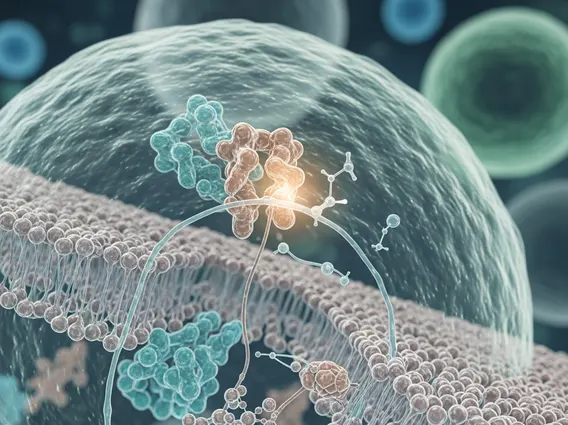
When applied to the skin, fluorouracil is absorbed by abnormal cells, which have a higher metabolic rate than healthy cells. Inside these cells, fluorouracil is converted into active metabolites that inhibit the synthesis of DNA and RNA. Specifically, it blocks the enzyme thymidylate synthase, which is crucial for DNA repair and replication. By disrupting these essential cellular processes, Efudex prevents the abnormal cells from growing and dividing, ultimately leading to their destruction. Healthy cells, which divide at a slower rate, are less affected, though some localized irritation is common. This selective action helps target the diseased tissue while minimizing harm to surrounding healthy skin.
Efudex Treatment for Skin Cancer and Other Conditions
Efudex is primarily used to treat various dermatological conditions, including certain types of pre-cancerous and cancerous lesions. Efudex treatment for skin cancer is a primary application, particularly for non-melanoma skin cancers and pre-cancerous lesions. It is commonly prescribed for:
- Actinic Keratosis (AKs): These are rough, scaly patches on the skin caused by years of sun exposure. AKs are considered pre-cancerous and can progress to squamous cell carcinoma if left untreated. According to the American Academy of Dermatology, actinic keratosis affects more than 58 million Americans, with a significant percentage having multiple lesions.
- Superficial Basal Cell Carcinoma (sBCC): This is a common, slow-growing type of skin cancer that typically appears as a red, scaly patch. Efudex is an effective treatment option for superficial forms, especially when surgery is not preferred or feasible.
- Bowen’s Disease (Squamous Cell Carcinoma in situ): This is an early form of squamous cell carcinoma that is confined to the outermost layer of the skin.
The treatment course typically involves applying the cream once or twice daily for several weeks, depending on the condition and the patient’s response. The duration can range from 2 to 4 weeks for actinic keratosis and up to 6 to 12 weeks for superficial basal cell carcinoma. During this period, the treated area will undergo a predictable inflammatory response, indicating the medication is working.
Common Efudex Cream Side Effects
While Efudex cream side effects are generally localized to the application site, they can be significant and require careful management. The intensity of these reactions often correlates with the effectiveness of the treatment, as it signifies the destruction of abnormal cells.
Common side effects include:
- Redness (Erythema): The treated area will become noticeably red, often intensifying over the course of treatment.
- Scaling and Crusting: The skin may develop dry, flaky patches and form crusts as the abnormal cells are shed.
- Itching and Burning: Patients frequently report sensations of itching, burning, or stinging at the application site.
- Pain and Tenderness: The treated area can become sore and sensitive to touch.
- Swelling (Edema): Mild to moderate swelling may occur around the treated skin.
- Erosion and Ulceration: In later stages of treatment, the skin may break down, leading to open sores or shallow ulcers.
- Hyperpigmentation or Hypopigmentation: Changes in skin color, either darkening or lightening, can occur and may be temporary or, in some cases, persistent.
Patients are typically advised to follow their dermatologist’s instructions closely, including proper application techniques and post-treatment care, to manage these side effects effectively. It is crucial to report any severe or unexpected reactions to a healthcare provider.