Cystic Duct
The cystic duct is a vital component of the human biliary system, playing a crucial role in the transport and storage of bile. Understanding its structure and function is essential for comprehending digestive health and potential related conditions.
Key Takeaways
- The Cystic Duct connects the gallbladder to the common hepatic duct, forming part of the common bile duct.
- Its primary role is to facilitate the flow of bile between the liver, gallbladder, and small intestine.
- The duct’s unique anatomical features, including the spiral valves of Heister, help regulate bile flow.
- Common issues include blockages by gallstones, leading to inflammation and pain.
- Symptoms of cystic duct problems often involve right upper quadrant pain, nausea, and jaundice.
What is the Cystic Duct?
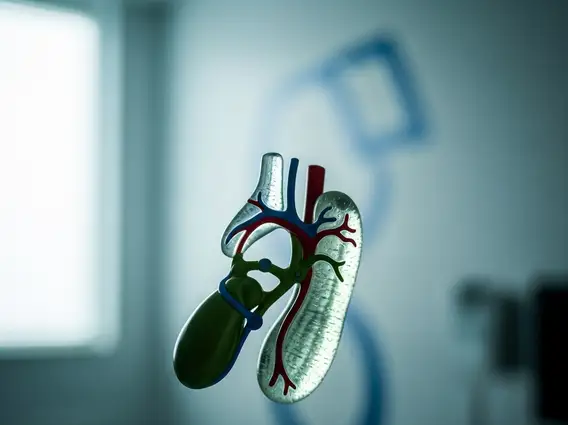
The Cystic Duct is a small, tubular structure that forms a critical part of the biliary tree, the system responsible for producing, transporting, and storing bile. It serves as the primary conduit connecting the gallbladder, a small organ that stores and concentrates bile, to the common hepatic duct. This connection is crucial for the efficient movement of bile, which aids in the digestion of fats in the small intestine. When the common hepatic duct and the cystic duct merge, they form the common bile duct, which then empties into the duodenum.
Anatomy and Function of the Cystic Duct
The cystic duct anatomy is characterized by its relatively short length, typically ranging from 2 to 4 centimeters, and a narrow diameter. A distinctive feature within its lumen are the spiral valves of Heister, which are mucosal folds that help prevent the collapse or over-distension of the duct and regulate the flow of bile. These valves are not true sphincters but contribute to the controlled movement of bile. The primary cystic duct function involves the bidirectional flow of bile: bile flows from the liver into the gallbladder for storage and concentration, and then from the gallbladder back into the common bile duct and ultimately to the small intestine when needed for digestion. This intricate anatomical arrangement ensures that bile is available precisely when fats are present in the digestive tract, optimizing nutrient absorption.
Common Problems and Symptoms Affecting the Cystic Duct
The cystic duct is susceptible to several conditions that can impair its function, leading to significant health issues. The most prevalent of these are blockages, often caused by gallstones (cholelithiasis). When gallstones become lodged in the cystic duct, they can obstruct the flow of bile, leading to inflammation of the gallbladder, a condition known as cholecystitis. This can cause severe pain and other complications. Other less common issues include strictures or tumors, though these are rarer. Recognizing cystic duct problems symptoms is crucial for timely diagnosis and treatment.
Here are common symptoms associated with cystic duct issues:
- Right Upper Quadrant Pain: Often sudden and intense, radiating to the back or shoulder.
- Nausea and Vomiting: Frequently accompanies the pain, especially after fatty meals.
- Fever and Chills: Indicative of infection or inflammation, such as acute cholecystitis.
- Jaundice: Yellowing of the skin and eyes, occurring if the blockage extends to or affects the common bile duct, impairing bile excretion.
- Dark Urine and Pale Stools: Further signs of impaired bile flow and liver involvement.
These symptoms warrant immediate medical attention to prevent further complications, such as gallbladder rupture or pancreatitis. According to the National Institute of Diabetes and Digestive and Kidney Diseases (NIDDK), approximately 10-15% of the adult population in developed countries has gallstones, with a significant portion remaining asymptomatic, but those that cause symptoms often involve the cystic duct.