Core Biopsy
Core Biopsy is a vital diagnostic procedure used in medicine to investigate suspicious areas within the body. It involves the removal of a small tissue sample for laboratory analysis, playing a critical role in the accurate diagnosis of various conditions, particularly cancer.
Key Takeaways
- Core Biopsy is a diagnostic procedure that extracts tissue samples for detailed examination.
- It is primarily used to confirm or rule out cancer and other abnormalities identified through imaging.
- The procedure typically involves local anesthesia and imaging guidance to ensure precise sample collection.
- Results provide crucial information for diagnosis and treatment planning, classifying findings as benign, malignant, or atypical.
- Core Biopsy offers advantages over fine needle aspiration by providing larger tissue samples for comprehensive analysis.
What is Core Biopsy?
Core Biopsy is a medical procedure designed to obtain a small cylindrical sample of tissue from a suspicious area in the body. This tissue is then sent to a pathology laboratory for microscopic examination. The primary purpose of this diagnostic tool is to determine the nature of an abnormality, such as a lump, mass, or lesion, that has been identified through imaging tests like mammograms, ultrasounds, or MRIs. It is crucial for distinguishing between benign (non-cancerous) and malignant (cancerous) conditions, providing definitive diagnostic information that guides subsequent treatment decisions. For instance, studies indicate that core biopsy procedures for breast lesions demonstrate a high diagnostic accuracy, often exceeding 95% in identifying malignancy or benign conditions, according to guidelines from organizations like the American College of Radiology.
The procedure is often recommended when imaging findings are inconclusive or highly suggestive of malignancy. By providing a larger tissue sample compared to other biopsy types, a core biopsy allows pathologists to assess not only the cells but also the tissue architecture, which is vital for a comprehensive diagnosis and grading of potential cancers.
The Core Biopsy Procedure
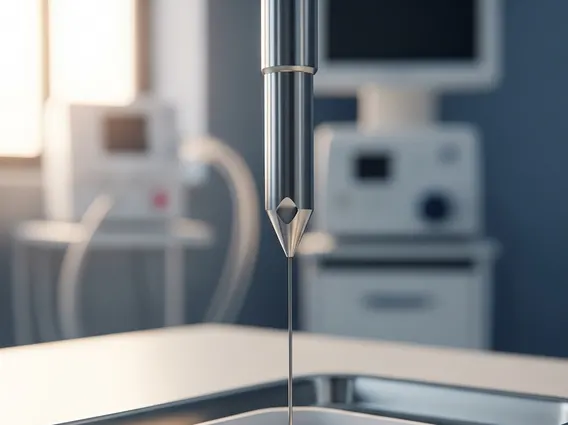
The core biopsy procedure explained involves several key steps to ensure accurate and safe tissue collection. Before the procedure, patients typically receive local anesthesia to numb the area, minimizing discomfort. The physician then makes a small incision, usually a few millimeters, in the skin. A specialized hollow needle, larger than those used for fine needle aspiration, is inserted through this incision into the suspicious area.
To guide the needle precisely to the target, imaging techniques are almost always employed. These may include:
- Ultrasound guidance: Commonly used for palpable lumps or those visible on ultrasound.
- Stereotactic mammography: Utilized for microcalcifications or masses seen only on mammography.
- MRI guidance: Reserved for lesions visible only on magnetic resonance imaging.
Once the needle is correctly positioned, several small tissue samples (cores) are taken. A spring-loaded mechanism often assists in rapidly collecting these samples. After sufficient samples are obtained, the needle is withdrawn, and pressure is applied to the site to prevent bleeding. A small dressing is then placed over the incision. The entire process typically takes about 30 to 60 minutes, and patients can usually go home the same day with instructions for post-procedure care.
Understanding Core Biopsy Results and Alternatives
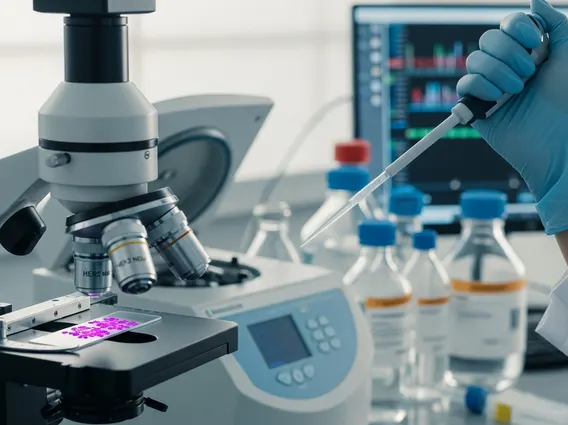
The core biopsy results meaning is determined by a pathologist who examines the tissue samples under a microscope. The pathologist looks for abnormal cells, their arrangement, and other characteristics that indicate the presence of disease. Results are usually available within a few days to a week and are typically categorized as benign, malignant, or atypical. A benign result means no cancer was found. A malignant result confirms cancer, and further tests may be needed to determine its type and stage. Atypical results indicate abnormal cells that are not clearly cancerous but may require further monitoring or intervention.
When considering diagnostic options, it’s important to understand the distinction between core biopsy vs fine needle aspiration. Both are used to obtain tissue for diagnosis, but they differ significantly in the amount and type of tissue collected. Fine needle aspiration (FNA) uses a very thin needle to withdraw individual cells or small clusters of cells, primarily for cytological analysis. While less invasive, FNA may not provide enough tissue to assess the architectural pattern of a lesion, which is often crucial for a definitive diagnosis, especially in complex cases or for grading certain cancers. Core biopsy, on the other hand, extracts larger tissue cylinders, allowing for a more comprehensive histological examination that includes cellular structure and tissue arrangement, leading to a more precise diagnosis and better treatment planning. In some cases, an excisional biopsy, which removes the entire suspicious area, may be performed if a core biopsy is inconclusive or if the lesion is small and easily removable.