
Conjunctivitis
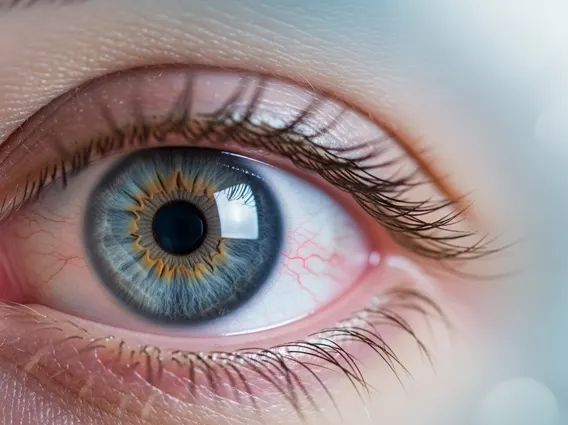
Conjunctivitis, commonly known as pink eye, is an inflammation of the conjunctiva, the transparent membrane that lines the eyelid and covers the white part of the eyeball. This condition can cause discomfort and a distinctive reddish appearance in the affected eye.
Key Takeaways
- What is Conjunctivitis? It’s the inflammation of the conjunctiva, often referred to as pink eye.
- It can be caused by viruses, bacteria, or allergens, with viral forms being highly contagious.
- Common conjunctivitis symptoms include redness, itching, discharge, and a gritty sensation.
- Mild cases can often be managed with home care, but persistent or severe symptoms require medical attention.
- Strict hygiene is essential to prevent the spread of infectious types of conjunctivitis.
What is Conjunctivitis?
What is Conjunctivitis? It is an inflammatory condition affecting the conjunctiva, the delicate membrane that covers the inner surface of the eyelids and the outer surface of the eyeball. This inflammation leads to the characteristic redness that gives the condition its common name, pink eye. While the terms pink eye vs conjunctivitis are often used interchangeably, conjunctivitis is the medical term for the condition, and pink eye refers to its most noticeable symptom—the pink or red appearance of the eye. It is a very common eye condition that can affect people of all ages.
Symptoms & Causes of Pink Eye
Understanding conjunctivitis symptoms and causes is crucial for proper identification and management. The signs can vary slightly depending on the underlying trigger, but certain common indicators are prevalent across all types.
Common Signs to Look For
The most recognizable conjunctivitis symptoms typically affect one or both eyes and may include:
- Redness: The white part of the eye appears pink or red due to inflamed blood vessels.
- Itching or Burning Sensation: A persistent feeling of irritation in the eye.
- Discharge: This can range from watery (often viral or allergic) to thick, yellowish-green pus (typically bacterial), which may crust over the eyelashes, especially after sleep.
- Gritty Feeling: A sensation as if there’s sand or a foreign object in the eye.
- Increased Tearing: Eyes may water excessively.
- Sensitivity to Light (Photophobia): Discomfort in bright environments.
Viral, Bacterial, and Allergic Triggers
The primary conjunctivitis causes fall into three main categories:
- Viral Conjunctivitis: This is the most common type, often caused by adenoviruses, which are also responsible for the common cold. According to the Centers for Disease Control and Prevention (CDC), viral conjunctivitis is frequently associated with upper respiratory infections. It is highly contagious, typically starts in one eye and can spread to the other, and usually produces a watery discharge.
- Bacterial Conjunctivitis: Caused by bacteria such as Staphylococcus aureus or Streptococcus pneumoniae, this type is also very contagious. It often results in a thick, sticky, yellowish-green discharge that can cause eyelids to stick together, especially upon waking.
- Allergic Conjunctivitis: This non-contagious form is triggered by allergens like pollen, dust mites, pet dander, or contact lenses. It typically affects both eyes, causing intense itching, redness, and watery discharge, often accompanied by other allergy symptoms like sneezing or a runny nose.
Treating Conjunctivitis at Home & Medically
The approach to treating conjunctivitis depends significantly on its cause. While some cases resolve on their own, others require specific interventions. Both home care and medical treatments play vital roles in managing the condition.
Effective Home Care Strategies
For mild cases, especially viral or allergic conjunctivitis, knowing how to treat conjunctivitis at home can provide significant relief and help prevent spread:
- Compresses: Apply warm compresses to the eyes several times a day to help soothe irritation and loosen crusts, particularly for bacterial conjunctivitis. Cool compresses can be more effective for relieving the itching associated with allergic conjunctivitis.
- Artificial Tears: Over-the-counter lubricating eye drops can help alleviate dryness and irritation, flushing out irritants.
- Hygiene: Wash hands frequently with soap and water, especially after touching your eyes. Avoid rubbing your eyes, and refrain from sharing towels, pillowcases, or eye makeup to prevent the spread of infectious conjunctivitis.
- Allergen Avoidance: If allergies are the cause, try to identify and avoid the specific allergens triggering your symptoms.
When to Seek Professional Medical Advice
While home remedies can be helpful, it’s important to know when to consult a healthcare professional. You should seek medical attention if:
- Your symptoms are severe, include moderate to severe pain, or vision changes.
- Your eyes become extremely sensitive to light.
- Symptoms do not improve after a few days of home treatment.
- You suspect bacterial conjunctivitis, as it often requires antibiotic eye drops or ointments prescribed by a doctor.
- You have a compromised immune system or pre-existing eye conditions.
A doctor can accurately diagnose the type of conjunctivitis and prescribe appropriate treatments, which may include antiviral medications for certain viral infections, antibiotic eye drops for bacterial infections, or antihistamine eye drops for allergic reactions.



















