Conjunctiva
The conjunctiva is a vital, transparent membrane that plays a crucial role in maintaining eye health and comfort. It acts as a protective barrier and contributes to the lubrication of the eye’s surface.
Key Takeaways
- The conjunctiva is a clear membrane lining the eyelids and covering the white part of the eye.
- Its primary functions include protecting the eye from foreign bodies and producing mucus for lubrication.
- It is rich in blood vessels, which can become prominent during inflammation or irritation.
- Common conditions affecting the conjunctiva include conjunctivitis (pink eye), subconjunctival hemorrhage, and issues related to allergies and dry eye.
- Maintaining good eye hygiene is essential for conjunctival health.
What is the Conjunctiva? Anatomy and Function
The conjunctiva is a thin, transparent mucous membrane that lines the inner surface of the eyelids and covers the anterior part of the sclera (the white outer layer of the eye), stopping at the corneal limbus. To understand what is the conjunctiva and its function, it’s essential to recognize its dual role: protection and lubrication. This delicate tissue forms a continuous sac, preventing foreign objects from going behind the eye.
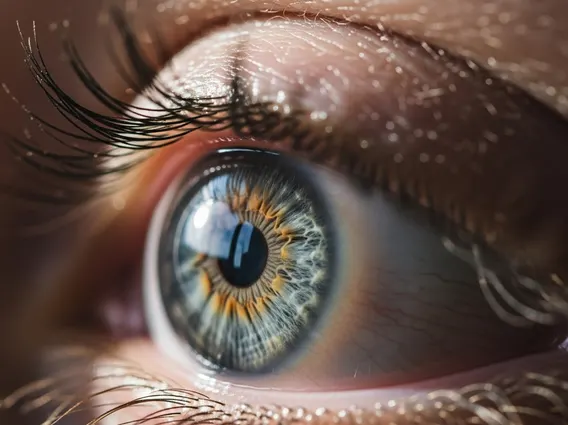
The anatomy of the human eye conjunctiva can be divided into two main parts: the palpebral conjunctiva, which lines the eyelids, and the bulbar conjunctiva, which covers the sclera. These two parts meet at the conjunctival fornices, forming a loose fold that allows for eye movement. The conjunctiva contains goblet cells that produce mucin, a key component of tears, which helps to lubricate the eye surface and trap debris. It is also highly vascularized, meaning it has many small blood vessels, which can become visible when irritated or inflamed. The conjunctiva definition and purpose are thus centered on its role as a protective, lubricating, and immune-responsive tissue, crucial for overall ocular health.
Common Conditions Affecting the Conjunctiva
Given its exposed position and protective role, the conjunctiva is susceptible to various irritations and infections. Understanding common conditions affecting the conjunctiva is vital for recognizing symptoms and seeking appropriate care. These conditions can range from mild irritations to more serious infections, often presenting with redness, itching, or discharge.
Conjunctivitis (Pink Eye)
Conjunctivitis, commonly known as pink eye, is an inflammation of the conjunctiva. It is one of the most prevalent eye conditions worldwide, affecting millions annually. The World Health Organization (WHO) highlights that viral conjunctivitis is highly contagious and often spreads rapidly. It can be caused by viruses, bacteria, or allergens. Symptoms typically include redness, itching, a gritty feeling, and discharge. Viral conjunctivitis often presents with watery discharge, while bacterial conjunctivitis usually involves a thicker, pus-like discharge. Allergic conjunctivitis is characterized by intense itching and watery eyes, often accompanied by other allergy symptoms.
Subconjunctival Hemorrhage
A subconjunctival hemorrhage occurs when a small blood vessel breaks underneath the conjunctiva, leading to a bright red patch on the white of the eye. Despite its alarming appearance, it is usually harmless and painless. This condition can be caused by minor trauma, straining (such as coughing, sneezing, or vomiting), or even rubbing the eye vigorously. It can also be associated with high blood pressure or certain medications. The blood is contained within the conjunctiva, so it does not affect vision, and the redness typically resolves on its own within one to two weeks as the blood is reabsorbed.
Allergies and Dry Eye
The conjunctiva is highly responsive to environmental factors, making it a common site for allergic reactions and symptoms of dry eye. Ocular allergies, or allergic conjunctivitis, are triggered when allergens like pollen, dust mites, or pet dander come into contact with the eye, causing the conjunctiva to release histamine. This leads to symptoms such as intense itching, redness, swelling, and excessive tearing. Dry eye, on the other hand, is a multifactorial disease of the ocular surface characterized by a loss of homeostasis of the tear film, accompanied by ocular symptoms, in which tear film instability and hyperosmolarity, ocular surface inflammation and damage, and neurosensory abnormalities play etiological roles. While not directly a condition of the conjunctiva itself, dry eye significantly impacts the conjunctiva by reducing lubrication and increasing irritation, leading to chronic discomfort, redness, and a gritty sensation.