Computed Tomographic Colonography
Computed Tomographic Colonography, often referred to as virtual colonoscopy, offers a less invasive method for screening the colon and rectum. This advanced imaging technique plays a crucial role in the early detection of colorectal cancer and other abnormalities.
Key Takeaways
- Computed Tomographic Colonography (CTC) is a non-invasive imaging test used to screen for colorectal cancer and polyps.
- The procedure involves a bowel preparation similar to traditional colonoscopy, followed by a CT scan of the abdomen and pelvis after air insufflation.
- CTC offers benefits such as being less invasive, requiring no sedation, and having a lower risk of perforation compared to optical colonoscopy.
- It serves as an important alternative for individuals unable or unwilling to undergo a traditional colonoscopy.
- Regular screening, including methods like CTC, is vital for early detection and improved outcomes in colorectal cancer.
What is Computed Tomographic Colonography (CTC)?
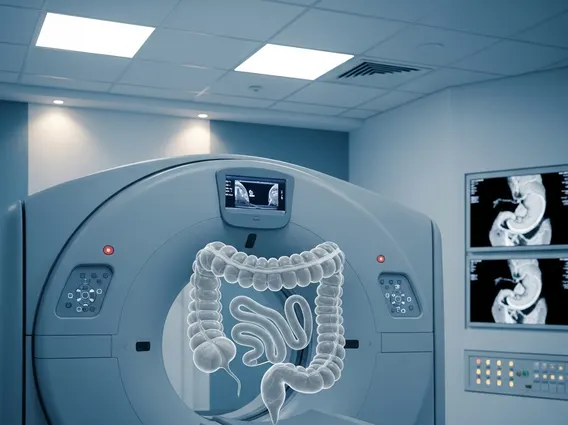
Computed Tomographic Colonography (CTC), also known as virtual colonoscopy, is a medical imaging procedure that uses X-rays and computer technology to create detailed images of the inside of the colon and rectum. This non-invasive test allows healthcare providers to examine the entire large intestine for polyps, cancerous growths, and other abnormalities without inserting a scope directly into the colon. It provides a 3D view of the colon’s lining, aiding in the detection of potentially precancerous lesions or early-stage cancers. According to the American Cancer Society, colorectal cancer is the third most common cancer diagnosed in both men and women in the United States, making effective screening methods like CTC essential for early intervention.
The CT Colonography Procedure Explained
The CT colonography procedure explained involves several key steps to ensure clear imaging. Patients typically undergo a bowel preparation similar to that for a traditional colonoscopy, which involves dietary restrictions and laxatives to cleanse the colon. On the day of the procedure, a small, flexible tube is gently inserted a few centimeters into the rectum to inflate the colon with air or carbon dioxide. This distends the colon, allowing for better visualization of the inner lining. Two quick CT scans are then performed: one with the patient lying on their back and another on their stomach. The entire scanning process usually takes less than 15 minutes. Radiologists then use specialized computer software to reconstruct and analyze the images, looking for any suspicious areas. This method avoids the need for sedation, allowing patients to resume normal activities immediately after the scan.
Benefits and Comparison: CTC vs. Traditional Colonoscopy
When considering colorectal cancer screening options, understanding the differences between methods is crucial. The choice between virtual colonoscopy vs traditional colonoscopy often depends on individual patient factors, preferences, and medical history.
Here are some key distinctions and benefits of CT colonography screening:
- Less Invasive: CTC does not require a colonoscope to be inserted throughout the entire colon, reducing discomfort and eliminating the need for sedation.
- Lower Risk: The risk of colon perforation, though rare, is significantly lower with CTC compared to traditional colonoscopy because no physical scope is advanced through the colon.
- No Sedation: Patients remain awake and alert during the procedure and can typically drive themselves home and return to normal activities immediately.
- Visualization Beyond the Colon: CT scans can incidentally detect abnormalities in other abdominal organs, though this is not its primary purpose.
- Alternative for Certain Patients: CTC is a valuable option for individuals who cannot undergo traditional colonoscopy due to medical conditions, previous incomplete colonoscopies, or personal preference.
While traditional colonoscopy allows for immediate removal of polyps during the procedure, CTC requires a follow-up optical colonoscopy if polyps or suspicious lesions are found. Both methods are effective in detecting colorectal cancer, with studies showing comparable detection rates for clinically significant polyps (10mm or larger). For instance, a study published in The New England Journal of Medicine indicated that CTC has a sensitivity for detecting advanced adenomas and cancer similar to that of optical colonoscopy. The decision on which screening method to use should always be made in consultation with a healthcare provider.