Common Iliac Artery
The common iliac artery is a major blood vessel crucial for supplying blood to the pelvis and lower limbs. Understanding its structure and function is vital for comprehending various cardiovascular conditions.
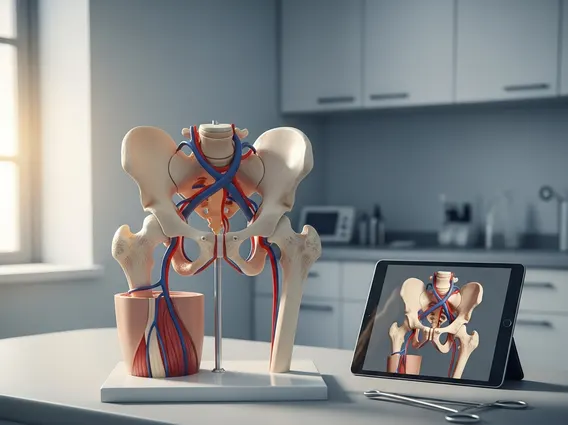
Key Takeaways
- The Common Iliac Artery is a large artery that branches from the abdominal aorta.
- It bifurcates into the external and internal iliac arteries, supplying blood to the lower extremities, pelvis, and reproductive organs.
- Its primary function is to ensure adequate blood flow to these critical areas of the body.
- Common conditions affecting this artery include atherosclerosis, aneurysms, and occlusive diseases.
- Maintaining cardiovascular health is essential for preventing diseases related to the common iliac artery.
What is the Common Iliac Artery?
The Common Iliac Artery is a large, paired artery that originates from the bifurcation of the abdominal aorta, typically at the level of the fourth lumbar vertebra. These two arteries, one on each side of the body, descend inferolaterally before dividing into their terminal branches. This crucial vessel serves as a primary conduit for oxygenated blood destined for the lower half of the body, playing an indispensable role in systemic circulation.
Each common iliac artery then splits into two main branches: the external iliac artery and the internal iliac artery. This division occurs anterior to the sacroiliac joint, marking a significant anatomical landmark. Its strategic position makes it a critical component of the vascular system, impacting the health and function of numerous downstream structures.
Anatomy and Function of the Common Iliac Artery
The common iliac artery anatomy involves its origin from the aorta and its subsequent division. Each common iliac artery is approximately 3-4 cm long in adults. The external iliac artery continues downwards to become the femoral artery, supplying blood primarily to the lower limbs. The internal iliac artery, also known as the hypogastric artery, branches extensively within the pelvis to supply blood to the pelvic organs, perineum, and gluteal region.
The primary function of common iliac artery is to distribute oxygenated blood from the aorta to a vast network of vessels that nourish the lower extremities, pelvic viscera, and reproductive organs. This ensures that muscles, bones, and vital organs in these regions receive the necessary nutrients and oxygen for proper functioning. Impaired blood flow through these arteries can lead to significant health issues due to oxygen deprivation in the tissues they supply.
Key areas supplied by the branches of the common iliac artery include:
- Lower limbs (via the external iliac artery)
- Bladder and reproductive organs (via internal iliac artery branches)
- Pelvic walls and gluteal region (via internal iliac artery branches)
- Perineum (via internal iliac artery branches)
Common Iliac Artery Diseases and Conditions
Several common iliac artery diseases can significantly impact blood flow and overall health. Atherosclerosis is one of the most prevalent conditions, characterized by the buildup of plaque within the arterial walls. This plaque can narrow the artery, reducing blood flow and leading to symptoms such as claudication (pain during exercise) in the legs. If left untreated, severe atherosclerosis can result in critical limb ischemia, potentially requiring amputation.
Another significant condition is an aneurysm, which is a localized balloon-like bulge in the artery wall. Common iliac artery aneurysms can be asymptomatic until they grow large enough to compress surrounding structures or rupture, which is a life-threatening emergency. Occlusive diseases, such as thrombosis or embolism, can also block the common iliac artery, leading to acute limb ischemia. According to the Centers for Disease Control and Prevention (CDC), peripheral artery disease (PAD), which often affects the iliac arteries, impacts millions of adults in the United States, highlighting the widespread nature of these vascular issues.
Diagnosis typically involves imaging techniques such as ultrasound, CT angiography, or MRI. Treatment options vary depending on the specific condition and its severity, ranging from lifestyle modifications and medication to surgical interventions like angioplasty, stenting, or bypass surgery. Early detection and management are crucial for preventing severe complications and improving patient outcomes.