Common Hepatic Duct
The Common Hepatic Duct is a crucial part of the human digestive system, playing a central role in the transport of bile from the liver. Understanding its structure and function is essential for comprehending the overall process of digestion and maintaining optimal liver health.
Key Takeaways
- The Common Hepatic Duct is a major bile duct formed by the convergence of the right and left hepatic ducts.
- Its primary function is to collect bile from the liver and transport it towards the duodenum for fat digestion.
- This duct is strategically located within the porta hepatis, a vital area of the liver.
- Proper functioning of the Common Hepatic Duct is critical for preventing digestive issues and maintaining metabolic health.
- Obstruction or dysfunction can lead to significant medical conditions requiring prompt attention.
What is the Common Hepatic Duct?
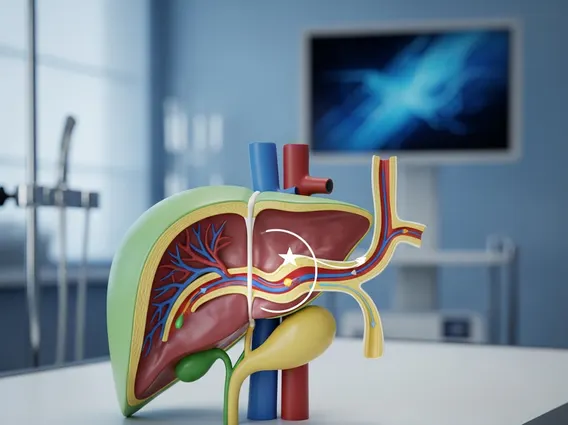
The Common Hepatic Duct is a significant anatomical structure within the human biliary system, essential for digestive processes. It serves as a primary conduit for bile, a complex digestive fluid produced by the liver. This duct is formed by the convergence of two smaller, intrahepatic ducts: the right hepatic duct, which drains bile from the right functional lobe of the liver, and the left hepatic duct, which drains bile from the left functional lobe.
The Common hepatic duct meaning and purpose are intrinsically linked to its role in facilitating digestion and waste elimination. Its main purpose is to efficiently collect all the bile produced by the hepatocytes (liver cells) and channel it downwards. This collected bile is then either temporarily stored and concentrated in the gallbladder via the cystic duct, or directly released into the small intestine, specifically the duodenum. In the duodenum, bile plays a critical role in the emulsification of dietary fats, breaking them into smaller globules that can be more easily acted upon by digestive enzymes. Without a properly functioning Common Hepatic Duct, the continuous and regulated flow of bile can be obstructed, leading to various digestive disturbances, nutrient malabsorption, and liver-related health complications.
Anatomy, Location, and Function of the Common Hepatic Duct
The Common hepatic duct anatomy is characterized by its formation and subsequent course. Typically measuring approximately 2.5 to 4 centimeters (1 to 1.5 inches) in length and about 6 millimeters in diameter, it descends from the liver within the porta hepatis. The porta hepatis is a deep transverse fissure on the visceral surface of the liver, serving as the entry and exit point for several vital structures, including the hepatic artery proper, the portal vein, and lymphatic vessels, alongside nerves.
The precise Location of common hepatic duct in body is within the upper right quadrant of the abdomen, situated anterior to the portal vein and to the right of the hepatic artery proper. After its formation and initial descent, it continues its path until it meets the cystic duct, which originates from the gallbladder. The union of the Common Hepatic Duct and the cystic duct forms the common bile duct. This common bile duct then typically descends further, often merging with the main pancreatic duct to form a short, dilated segment known as the ampulla of Vater, which subsequently empties into the second part of the duodenum through the major duodenal papilla.
The primary Common hepatic duct function is the efficient and regulated transport of bile from the liver to the downstream components of the biliary system. Bile is a multifaceted fluid crucial for several physiological processes:
- Fat Digestion and Absorption: Bile salts within bile emulsify dietary fats in the small intestine, increasing their surface area for lipase enzymes to act upon. This process is vital for the absorption of fatty acids, monoglycerides, and fat-soluble vitamins (A, D, E, K).
- Waste Elimination: Bile serves as a vehicle for the excretion of various waste products from the body. This includes bilirubin, a byproduct of red blood cell breakdown, and excess cholesterol.
- Neutralization of Stomach Acid: The alkaline nature of bile helps to neutralize the acidic chyme entering the duodenum from the stomach, creating an optimal environment for pancreatic enzymes to function.
Disruptions to the normal flow through the Common Hepatic Duct, such as those caused by gallstones, strictures (narrowing), or tumors, can have significant clinical implications. These can lead to conditions like cholestasis (reduced bile flow), jaundice (yellowing of skin and eyes due to bilirubin buildup), cholangitis (inflammation of the bile ducts), and even pancreatitis if the obstruction affects the pancreatic duct. Liver and digestive diseases, often linked to biliary issues, contribute significantly to global morbidity and mortality, underscoring the importance of understanding and maintaining the health of structures like the Common Hepatic Duct. (Source: World Health Organization)
It is important to note that information regarding alternative or complementary therapies for conditions affecting the Common Hepatic Duct is supportive only and does not replace conventional medical diagnosis and treatment. Always consult with a qualified healthcare professional for any health concerns.