Common Bile Duct
The common bile duct is a vital component of the digestive system, playing a crucial role in transporting digestive fluids. Understanding its structure and function is essential for comprehending various gastrointestinal processes and potential health issues.
Key Takeaways
- The Common Bile Duct (CBD) is a tube that carries bile from the liver and gallbladder to the small intestine.
- Its anatomy involves connections with the cystic duct and hepatic ducts, forming a pathway for bile flow.
- The primary function of the CBD is to aid in fat digestion and the elimination of waste products from the body.
- Problems with the CBD often manifest with symptoms like jaundice, abdominal pain, and dark urine, typically caused by blockages.
- Maintaining a healthy bile flow through the CBD is critical for efficient digestion and overall health.
What is the Common Bile Duct (CBD) and its Anatomy?
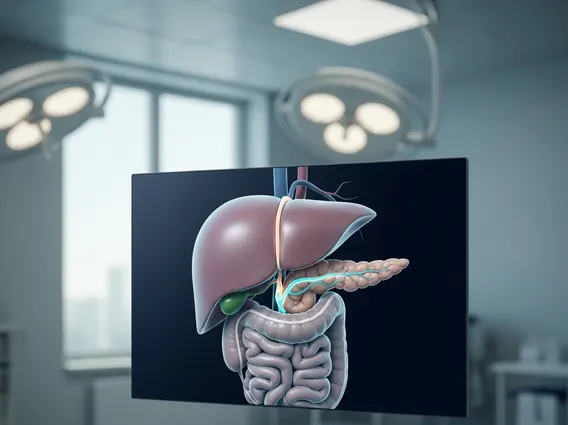
The **Common Bile Duct** (CBD) is a slender, tube-like structure within the digestive system that plays a critical role in the transport of bile. Bile is a digestive fluid produced by the liver, essential for breaking down fats during digestion. The CBD is formed by the convergence of two main ducts: the common hepatic duct, which drains bile from the liver, and the cystic duct, which drains bile from the gallbladder. This anatomical arrangement ensures that bile can either be stored in the gallbladder or directly transported to the small intestine.
The **common bile duct anatomy** is intricate, typically measuring about 6 to 8 centimeters in length and 5 to 10 millimeters in diameter. It descends behind the first part of the duodenum and passes through or behind the head of the pancreas. It usually joins the main pancreatic duct to form a common channel called the ampulla of Vater, which then empties into the duodenum (the first part of the small intestine) through a muscular valve known as the sphincter of Oddi. This sphincter regulates the flow of bile and pancreatic juices into the intestine, preventing reflux of intestinal contents.
Function of the Common Bile Duct
The primary **common bile duct function** is to facilitate the delivery of bile from the liver and gallbladder into the duodenum. Bile is a complex fluid containing water, bile salts, cholesterol, bilirubin, and electrolytes. Once released into the small intestine, bile salts emulsify dietary fats, breaking them down into smaller globules. This process significantly increases the surface area for digestive enzymes (lipases) to act upon, thereby enhancing fat digestion and absorption of fat-soluble vitamins (A, D, E, K).
Beyond fat digestion, the CBD also plays a crucial role in the elimination of waste products from the body. Bilirubin, a byproduct of red blood cell breakdown, is processed by the liver and excreted into bile. The CBD ensures that this bilirubin, along with excess cholesterol and other metabolic waste, is transported to the intestines for removal through feces. Proper functioning of the CBD is therefore vital for both nutrient absorption and detoxification processes.
Common Bile Duct Problems: Symptoms and Causes
When the common bile duct is obstructed or inflamed, it can lead to a range of health issues. These **common bile duct problems symptoms** often arise due to a blockage in the duct, preventing the normal flow of bile. The most frequent cause of such blockages is gallstones, which are hardened deposits of digestive fluid that can form in the gallbladder and then migrate into the CBD. Other causes include strictures (narrowing of the duct), tumors (such as pancreatic cancer or cholangiocarcinoma), inflammation (cholangitis), or parasitic infections.
Symptoms of common bile duct problems can vary depending on the severity and cause of the obstruction, but commonly include:
- Jaundice: A yellowing of the skin and whites of the eyes, caused by the buildup of bilirubin in the blood.
- Abdominal Pain: Often severe and located in the upper right quadrant of the abdomen, sometimes radiating to the back or shoulder.
- Dark Urine: Resulting from excess bilirubin being excreted by the kidneys.
- Pale Stools: Due to the lack of bile reaching the intestines to color the feces.
- Fever and Chills: Indicating an infection (cholangitis) within the bile duct system.
- Nausea and Vomiting: Common digestive disturbances associated with bile flow issues.
Prompt medical attention is crucial for diagnosing and treating common bile duct problems, as untreated blockages can lead to serious complications such as liver damage, pancreatitis, or life-threatening infections.