
Colonoscope
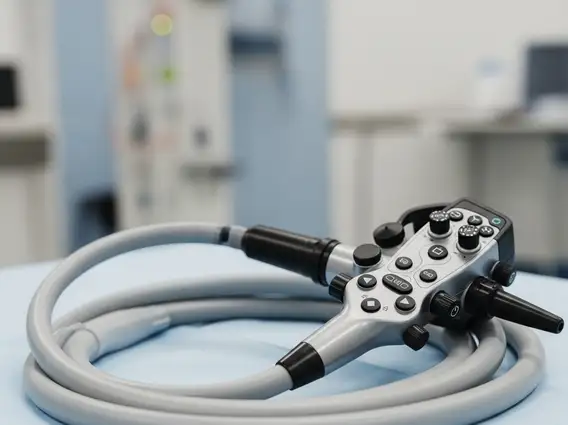
A colonoscope is a vital medical instrument used to examine the large intestine, playing a crucial role in the early detection and prevention of various gastrointestinal diseases. This flexible, tube-like device allows healthcare professionals to visualize the inner lining of the colon and rectum.
Key Takeaways
- A colonoscope is a flexible, lighted tube with a camera used to examine the large intestine.
- It works by transmitting images to a monitor, allowing for visual inspection and therapeutic interventions.
- The primary purpose of a colonoscope in medical procedures includes screening for colorectal cancer, diagnosing inflammatory bowel disease, and investigating symptoms like bleeding or abdominal pain.
- Its Colonoscope definition and common uses extend to removing polyps and taking tissue biopsies for further analysis.
- The device is essential for both diagnostic and therapeutic interventions within the colon.
What is a Colonoscope and How Does it Work?
A Colonoscope is a long, flexible, tube-like instrument equipped with a light source and a tiny video camera at its tip. This specialized medical device is designed to be gently inserted into the rectum and advanced through the large intestine (colon) to allow for a thorough visual examination of its inner lining. The camera captures high-resolution images and videos, which are then transmitted to a monitor, providing the physician with a detailed view of the colonic mucosa.
The mechanism of how a colonoscope works involves several key components. Beyond the camera and light, the instrument also features channels that allow for the insufflation of air or carbon dioxide to gently distend the colon, improving visibility. Additionally, these channels can accommodate various small tools, such as forceps for biopsies or snares for polyp removal. The physician manipulates the colonoscope using control knobs, guiding its tip through the twists and turns of the colon while observing the live feed on the monitor. This intricate design enables both diagnostic assessment and therapeutic interventions during a single procedure.
Common Uses and Diagnostic Applications of a Colonoscope
The purpose of a colonoscope in medical procedures is multifaceted, primarily focusing on the detection, diagnosis, and treatment of conditions affecting the large intestine. It is widely recognized as the gold standard for colorectal cancer screening, which is crucial for early detection and improving patient outcomes. Beyond screening, colonoscopy is performed to investigate symptoms such as unexplained abdominal pain, changes in bowel habits, rectal bleeding, or chronic diarrhea.
The Colonoscope definition and common uses encompass a broad range of clinical scenarios. For instance, it is invaluable in diagnosing inflammatory bowel diseases like Crohn’s disease and ulcerative colitis by allowing direct visualization of inflammation and ulcerations, as well as enabling tissue biopsies. It also plays a vital role in the surveillance of patients with a history of polyps or colorectal cancer, ensuring timely intervention if new abnormalities arise.
How is a colonoscope used for diagnosis?
The colonoscope is instrumental in diagnosis through several key actions. During a procedure, the physician can identify abnormal growths, such as polyps, which are often precursors to colorectal cancer. If polyps are found, they can frequently be removed immediately using specialized instruments passed through the colonoscope, a procedure known as a polypectomy. This not only aids in diagnosis but also serves as a preventative measure against cancer development. Furthermore, if suspicious areas or lesions are observed, small tissue samples (biopsies) can be taken for microscopic examination by a pathologist. This histological analysis confirms diagnoses, differentiates between benign and malignant conditions, and guides subsequent treatment strategies.
Common conditions diagnosed or managed with a colonoscope include:
- Colorectal polyps (adenomatous and hyperplastic)
- Colorectal cancer
- Inflammatory bowel disease (Crohn’s disease, ulcerative colitis)
- Diverticulosis and diverticulitis
- Gastrointestinal bleeding (identifying source and sometimes treating)
- Ischemic colitis
According to the Centers for Disease Control and Prevention (CDC), regular colorectal cancer screening, often involving colonoscopy, can prevent colorectal cancer or find it early when treatment is most effective. For example, in 2021, 68.8% of adults aged 50-75 years were up to date with colorectal cancer screening in the United States. (Source: CDC, Colorectal Cancer Statistics)



















