Collagenase
Collagenase is a crucial enzyme with significant roles in both physiological processes and medical treatments. Understanding its function provides insight into various biological mechanisms and therapeutic applications.
Key Takeaways
- Collagenase is an enzyme that specifically breaks down collagen, the most abundant protein in the human body.
- Its natural function involves tissue remodeling, wound healing, and processes like bone growth and embryonic development.
- Medically, collagenase is utilized for debridement of wounds, treatment of Dupuytren’s contracture, Peyronie’s disease, and other fibrotic conditions.
- The enzyme works by hydrolyzing peptide bonds within collagen molecules, leading to their degradation.
- Therapeutic applications leverage its ability to selectively break down abnormal collagen accumulations without harming surrounding healthy tissue.
What is Collagenase: Definition and Enzyme Type
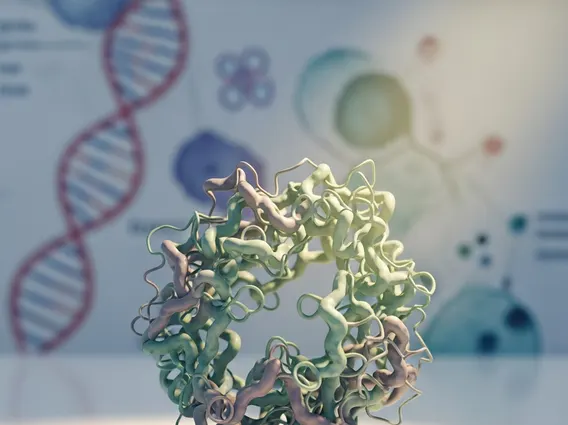
Collagenase refers to a class of enzymes that specifically break down collagen, the most abundant protein in the human body. As a proteolytic enzyme, what is collagenase enzyme is defined by its unique ability to hydrolyze the peptide bonds within collagen molecules, a process essential for tissue remodeling and repair. Collagen is a fibrous protein that provides structural support to connective tissues, bones, skin, and cartilage. The precise action of collagenase allows for the controlled degradation of this vital protein, distinguishing it from other proteases that have broader substrate specificities. This targeted activity makes collagenase indispensable in various biological processes and medical applications.
Collagenase Function and Mechanism in the Body
The collagenase function in body is multifaceted, playing a critical role in numerous physiological processes. Naturally occurring collagenases are involved in tissue development, growth, and repair. For instance, they are essential during embryonic development for tissue morphogenesis, in bone remodeling, and during wound healing where they help clear damaged tissue to allow for new tissue formation. They also participate in processes like angiogenesis (formation of new blood vessels) and cell migration.
In humans, collagenase functions by cleaving the triple-helical structure of collagen at specific sites. This initial cleavage creates smaller collagen fragments, which are then more susceptible to degradation by other non-specific proteases. This targeted breakdown is crucial because the intact triple helix of collagen is highly resistant to most other proteases. By initiating this degradation, collagenase facilitates the removal of old or damaged collagen, making way for new collagen synthesis and tissue regeneration. This precise enzymatic action ensures that collagen turnover is tightly regulated, maintaining tissue integrity and flexibility.
Medical Applications of Collagenase
The unique ability of collagenase to selectively degrade collagen has led to significant collagenase medical applications. It is widely used in clinical settings for its therapeutic potential in conditions characterized by excessive or abnormal collagen accumulation.
Here are some key medical applications:
- Wound Debridement: Collagenase is used topically to remove necrotic (dead) tissue from chronic dermal ulcers, severe burns, and pressure sores. This enzymatic debridement helps prepare the wound bed for healing by selectively breaking down dead collagen without harming viable tissue, a process often faster and less painful than surgical debridement.
- Dupuytren’s Contracture: This condition involves the thickening and shortening of the fascia in the palm, leading to finger contractures. Collagenase injections directly into the palpable cord break down the excess collagen, allowing for manual manipulation to straighten the affected finger.
- Peyronie’s Disease: Characterized by fibrous plaques in the penis, causing curvature and pain. Collagenase injections are used to break down these plaques, improving penile curvature and reducing symptoms.
- Cell Isolation: In research and laboratory settings, collagenase is used to dissociate tissues into individual cells for cell culture, particularly for isolating cells from connective tissues.
The therapeutic use of collagenase leverages its specificity to target and break down pathological collagen deposits, offering non-surgical or minimally invasive treatment options for various fibrotic disorders. For example, a study published in The Journal of Hand Surgery (2019) indicated that collagenase injections for Dupuytren’s contracture significantly improved range of motion and reduced contracture severity in a majority of treated patients, highlighting its efficacy and safety profile.