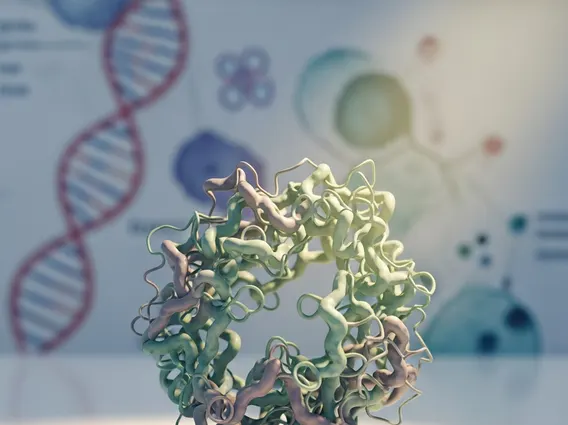
Collagen
Collagen is the most abundant protein in the human body, playing a crucial role in maintaining the structure and integrity of various tissues. It is a fundamental component of connective tissues, providing strength and elasticity.
Key Takeaways
- Collagen is the body’s most abundant protein, essential for structural support in skin, bones, and connective tissues.
- It forms a strong, fibrous network that provides strength and elasticity to tissues throughout the body.
- Maintaining adequate collagen levels supports skin health, joint function, and bone density.
- The body’s natural collagen production declines with age, leading to visible signs of aging and reduced tissue integrity.
- Dietary intake of certain foods can support the body’s natural collagen synthesis.
Defining Collagen: Structure and Function
Collagen is a complex structural protein that serves as the primary building block for skin, bones, tendons, ligaments, and other connective tissues. It constitutes approximately one-third of the body’s total protein content, making it indispensable for overall bodily function. This protein is characterized by its unique triple-helix structure, which provides incredible tensile strength, allowing tissues to withstand stretching and pulling forces.
Functionally, collagen acts as a scaffold, providing structural support and helping tissues maintain their shape and integrity. For instance, in the skin, it forms a network that gives firmness and elasticity, while in bones, it provides the organic matrix that mineral crystals adhere to, contributing to bone strength. There are at least 28 different types of collagen, with Types I, II, and III being the most prevalent in the human body, each serving specific roles in different tissues. Type I collagen, for example, is abundant in skin, tendons, and bones, while Type II is primarily found in cartilage.
How Collagen Works and Its Health Benefits
The body continuously synthesizes and breaks down collagen in a dynamic process. Cells called fibroblasts are primarily responsible for producing collagen, laying down procollagen molecules that then assemble into mature collagen fibers outside the cells. This intricate process ensures the constant repair and regeneration of tissues. As individuals age, the body’s natural production of collagen begins to decline, typically starting in the mid-20s and accelerating after the age of 40. This reduction in synthesis, coupled with increased breakdown, contributes to common signs of aging, such as wrinkles, sagging skin, and joint stiffness.
Maintaining healthy collagen levels offers numerous health advantages. The benefits of collagen include improved skin elasticity and hydration, which can reduce the appearance of fine lines and wrinkles. It also plays a vital role in joint health, helping to maintain the integrity of cartilage, the rubbery tissue that cushions joints. Adequate collagen can support bone density, making bones stronger and potentially reducing the risk of fractures. Furthermore, collagen contributes to the strength of hair and nails and supports gut health by strengthening the lining of the digestive tract. Research suggests that daily supplementation with collagen peptides can significantly improve skin hydration and elasticity, with some studies showing noticeable improvements within 8-12 weeks of consistent use (source: Journal of Medical Nutrition and Nutraceuticals, 2015).
Dietary Sources of Collagen
While the body produces its own collagen, dietary intake can support its synthesis and provide the necessary amino acid building blocks. Consuming **collagen rich foods** is an effective way to ensure the body has the raw materials it needs. Foods that are naturally high in collagen or contain nutrients that promote collagen production include:
- Bone Broth: Made by simmering animal bones and connective tissues, bone broth is a rich source of collagen and gelatin.
- Fish and Shellfish: Fish, especially the skin and bones, contains Type I collagen.
- Chicken: The skin and connective tissues of chicken are good sources of collagen.
- Eggs: Egg whites contain proline, an amino acid essential for collagen production.
- Citrus Fruits: Vitamin C is crucial for collagen synthesis, making oranges, grapefruits, and lemons important.
- Berries: Rich in antioxidants and vitamin C, berries like strawberries and blueberries support collagen formation.
- Leafy Greens: Spinach, kale, and other greens contain chlorophyll, which may have antioxidant properties that protect collagen.
Incorporating these foods into a balanced diet can help support the body’s natural collagen production and maintain tissue health. While supplements are also available, a holistic approach that includes nutrient-dense foods is often recommended for long-term health benefits.