Colectomy
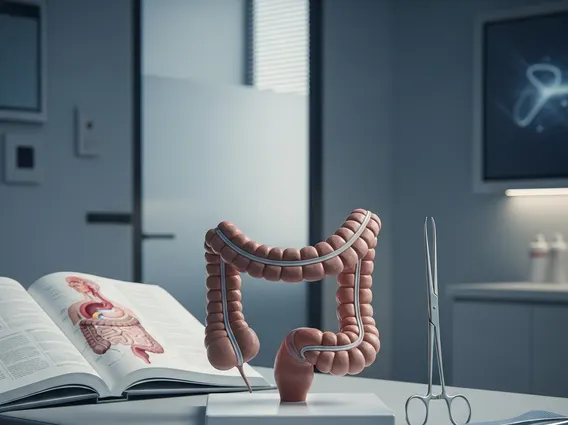
Colectomy is a significant surgical procedure involving the removal of part or all of the colon, also known as the large intestine. This operation is performed to treat various diseases and conditions affecting the colon, aiming to alleviate symptoms and improve patient outcomes.
Key Takeaways
- Colectomy is a surgical procedure that removes part or all of the colon.
- It is primarily performed to treat conditions such as colorectal cancer, inflammatory bowel disease, diverticulitis, and bowel obstruction.
- There are several types of colectomy, including total, partial, hemicolectomy, and proctocolectomy, depending on the extent of colon removal.
- Colectomy surgery recovery time varies but typically involves a hospital stay of several days, followed by several weeks of recuperation at home.
- Post-operative care focuses on pain management, diet modification, and monitoring for complications to ensure a smooth recovery.
What is Colectomy?
Colectomy refers to a surgical procedure performed to remove a diseased or damaged section of the colon, which is part of the large intestine. The procedure is a major abdominal surgery that can be performed using traditional open surgery or minimally invasive laparoscopic techniques. The specific approach depends on the patient’s condition, the extent of the disease, and the surgeon’s expertise. Following the removal of the affected segment, the remaining healthy sections of the colon are typically reconnected, a process known as anastomosis. In some cases, if reconnection is not immediately possible or advisable, a stoma may be created, leading to an ostomy (colostomy or ileostomy) where waste exits the body into an external bag.
The primary goal of a colectomy procedure is to treat or manage severe conditions that affect the colon, preventing further complications and improving the patient’s quality of life. This surgery requires careful pre-operative planning, including bowel preparation, and comprehensive post-operative care to ensure optimal recovery and minimize risks.
Reasons and Types of Colectomy Surgery
There are several compelling reasons for colectomy surgery, often stemming from chronic or acute conditions that do not respond to less invasive treatments. According to the American Cancer Society, colorectal cancer is the third most common cancer diagnosed in both men and women in the United States, making it a frequent indication for colectomy.
Common reasons for undergoing a colectomy include:
- Colorectal Cancer: Removal of cancerous tumors and surrounding tissue to prevent spread.
- Inflammatory Bowel Disease (IBD): Such as Crohn’s disease or ulcerative colitis, when medication fails to control severe inflammation, bleeding, or precancerous changes.
- Diverticulitis: Severe or recurrent inflammation or infection of small pouches (diverticula) in the colon wall, especially if complications like perforation or abscess occur.
- Bowel Obstruction: Blockage of the colon due to scar tissue, tumors, or twisting (volvulus) that cannot be resolved non-surgically.
- Familial Adenomatous Polyposis (FAP): A genetic condition causing numerous polyps in the colon, which have a high risk of developing into cancer.
- Severe Bleeding: Uncontrolled bleeding from the colon that cannot be stopped by other means.
The types of colectomy explained vary based on the amount of colon removed:
- Partial Colectomy (Hemicolectomy): Removal of a segment of the colon. A right hemicolectomy removes the right side, while a left hemicolectomy removes the left side.
- Total Colectomy: Removal of the entire large intestine.
- Proctocolectomy: Removal of the entire colon and rectum. This often requires an ileostomy.
- Subtotal Colectomy: Removal of a significant portion of the colon, but not the entire length.
The choice of colectomy type is determined by the specific condition, its location, and its severity, aiming to remove all diseased tissue while preserving as much healthy bowel as possible.
Colectomy Surgery Recovery and Post-Operative Care
The colectomy surgery recovery time can vary significantly among individuals, depending on the type of colectomy performed, the surgical approach (open vs. laparoscopic), the patient’s overall health, and whether complications arise. Typically, patients can expect a hospital stay of 3 to 7 days following the procedure. During this time, medical staff monitor for signs of infection, bleeding, or bowel obstruction, and manage pain effectively.
Initial recovery in the hospital focuses on:
- Pain Management: Administering medication to control post-operative discomfort.
- Mobility: Encouraging early mobilization, such as walking, to prevent blood clots and stimulate bowel function.
- Diet Progression: Gradually reintroducing liquids and then soft foods as bowel function returns.
- Wound Care: Instructions on how to care for the incision site to prevent infection.
Once discharged, full recovery at home can take several weeks, often ranging from 4 to 8 weeks. Patients are advised to avoid heavy lifting and strenuous activities during this period. Dietary adjustments are often necessary, with many patients initially following a low-fiber diet to allow the bowel to heal, gradually reintroducing other foods as tolerated. Regular follow-up appointments with the surgeon are crucial to monitor healing, address any concerns, and provide guidance on long-term management.