Cold Knife Conization
Cold Knife Conization is a surgical procedure primarily used to diagnose and treat abnormal cells found on the cervix. This intervention plays a crucial role in preventing the progression of precancerous conditions to cervical cancer.
Key Takeaways
- Cold Knife Conization is a surgical procedure that removes a cone-shaped piece of tissue from the cervix.
- The primary purpose of cold knife conization is to diagnose and treat precancerous or cancerous cells on the cervix.
- The procedure involves using a surgical scalpel (cold knife) to ensure precise tissue removal for pathological examination.
- Cold knife conization recovery time typically ranges from a few weeks, with specific restrictions on activity and vaginal insertion.
- Regular follow-up appointments are essential to monitor healing and ensure the successful removal of abnormal cells.
What is Cold Knife Conization?
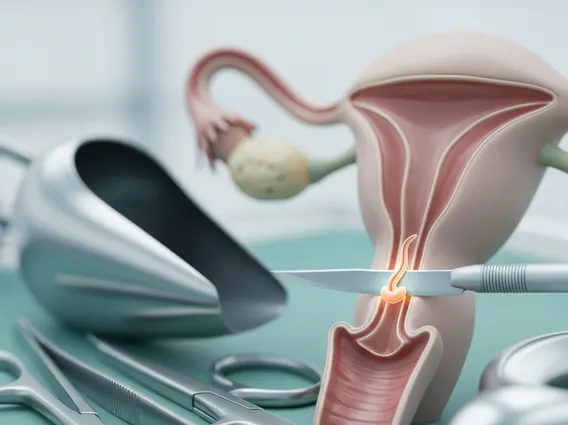
Cold Knife Conization refers to a surgical procedure in which a cone-shaped piece of tissue is removed from the cervix. This method is distinct from other conization techniques, such as Loop Electrosurgical Excision Procedure (LEEP), because it utilizes a surgical scalpel (a “cold knife”) rather than an electrical wire or laser. The precision offered by the cold knife allows for a clean margin around the excised tissue, which is vital for accurate pathological assessment.
The primary purpose of cold knife conization is twofold: diagnostic and therapeutic. Diagnostically, it provides a larger, higher-quality tissue sample compared to biopsies, allowing pathologists to accurately determine the severity and extent of abnormal cells, such as cervical intraepithelial neoplasia (CIN) or early-stage cervical cancer. Therapeutically, it removes these abnormal or precancerous cells, thereby treating the condition and preventing its progression to invasive cervical cancer. This procedure is often recommended after abnormal Pap test results or a colposcopy indicates high-grade lesions or suspicion of cancer.
The Cold Knife Conization Procedure Explained
The cold knife conization procedure explained typically involves several steps, usually performed under general or regional anesthesia in an operating room setting. Before the procedure, patients may be advised to avoid certain medications, such as blood thinners, and to fast for a specified period. Once anesthesia is administered, the surgeon uses a speculum to visualize the cervix.
A surgical scalpel is then carefully used to excise a cone-shaped section of tissue from the cervix. This cone includes the transformation zone, where most cervical precancers and cancers originate. The goal is to remove all abnormal cells while preserving as much healthy cervical tissue as possible. After the tissue is removed, the surgeon may use sutures or a cautery device to control any bleeding. The excised tissue is then sent to a pathology lab for detailed examination. The entire procedure usually takes about 30 to 60 minutes, after which the patient is moved to a recovery area.
Recovery Time After Cold Knife Conization
The cold knife conization recovery time can vary among individuals but generally spans several weeks. Patients typically experience some discomfort, including mild cramping similar to menstrual pain, and vaginal discharge or light bleeding for up to four weeks post-procedure. It is common for the discharge to be watery, bloody, or brownish, and it may contain tissue fragments as the cervix heals.
To facilitate proper healing and prevent complications, specific post-operative care instructions are usually provided. These often include:
- Avoiding heavy lifting or strenuous activities for at least two to four weeks.
- Refraining from sexual intercourse for four to six weeks.
- Not using tampons, douches, or any vaginal insertions during the recovery period to prevent infection and allow the cervix to heal.
- Taking over-the-counter pain relievers for discomfort, as directed by a healthcare provider.
Patients are advised to contact their doctor if they experience heavy bleeding (soaking more than one pad per hour), fever, severe abdominal pain, or foul-smelling vaginal discharge, as these could indicate a complication or infection. A follow-up appointment is typically scheduled a few weeks after the procedure to assess healing and discuss the pathology results. According to the American Cancer Society, early detection and treatment of precancerous cervical changes, often involving procedures like conization, are highly effective in preventing cervical cancer, which affects hundreds of thousands of women globally each year.