
Chronic Kidney Disease
Chronic Kidney Disease (CKD) is a progressive condition characterized by the gradual loss of kidney function over time. Understanding its causes, symptoms, and management is crucial for early intervention and improved quality of life.
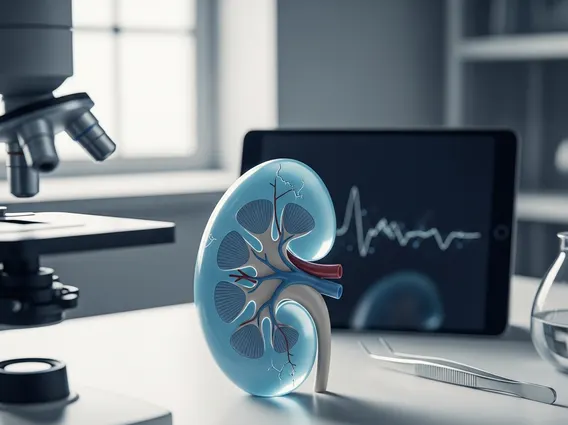
Key Takeaways
- What is Chronic Kidney Disease: CKD involves the irreversible, progressive decline of kidney function, often without noticeable symptoms in early stages.
- Causes and Risk Factors: High blood pressure and diabetes are the leading causes, with other risk factors including family history, age, and certain medications.
- Symptoms and Stages: Symptoms vary by stage, from subtle fatigue in early stages to severe swelling and nausea in advanced stages. CKD is categorized into five stages based on glomerular filtration rate (GFR).
- Management: Treatment focuses on slowing progression, managing symptoms, and addressing underlying causes through medication, lifestyle changes, and in advanced cases, dialysis or kidney transplant.
- Living with CKD: Effective management includes dietary adjustments, regular exercise, medication adherence, and strong emotional and social support.
What is Chronic Kidney Disease: Definition and Causes
What is Chronic Kidney Disease? It is a long-term condition where the kidneys gradually lose their ability to filter waste products and excess fluid from the blood. This progressive damage can lead to a buildup of harmful substances in the body, affecting overall health. According to the Centers for Disease Control and Prevention (CDC), approximately 1 in 7 adults (15%, or 37 million people) in the U.S. are estimated to have CKD, with many unaware of their condition. The primary causes of CKD are often related to other chronic health issues that put a strain on the kidneys over time.
Key Risk Factors for CKD
Several factors significantly increase an individual’s risk of developing CKD. Identifying and managing these can play a vital role in prevention and early detection:
- Diabetes: Uncontrolled high blood sugar levels can damage the tiny blood vessels in the kidneys.
- High Blood Pressure (Hypertension): Elevated blood pressure can narrow and weaken the blood vessels throughout the body, including those in the kidneys.
- Heart Disease: Conditions affecting the heart and blood vessels are closely linked to kidney health.
- Family History: A genetic predisposition can increase susceptibility to kidney disease.
- Obesity: Being overweight or obese can contribute to diabetes and high blood pressure, indirectly affecting kidney function.
- Older Age: Kidney function naturally declines with age, making older adults more vulnerable.
- Certain Medications: Long-term use of some medications, such as nonsteroidal anti-inflammatory drugs (NSAIDs), can harm the kidneys.
Recognizing Symptoms and Stages of CKD
Understanding chronic kidney disease symptoms causes is crucial for timely diagnosis. Early stages of CKD often present with no noticeable symptoms, making regular check-ups important, especially for those with risk factors. As the disease progresses, symptoms become more apparent due to the accumulation of waste products in the body.
Common Signs of Kidney Dysfunction
When kidney function declines significantly, various symptoms may emerge. These signs indicate that the kidneys are struggling to perform their vital filtering role:
- Fatigue and weakness
- Swelling in the ankles, feet, or hands (edema)
- Muscle cramps or weakness
- Persistent itching
- Nausea, vomiting, or loss of appetite
- Changes in urination frequency, especially at night
- Shortness of breath
- Difficulty concentrating
The Five Stages of Kidney Disease
The progression of CKD is classified into five stages, primarily based on the glomerular filtration rate (GFR), which measures how well the kidneys filter blood. Understanding the stages of chronic kidney disease helps guide treatment and management strategies.
| Stage | GFR (mL/min/1.73 m²) | Description |
|---|---|---|
| Stage 1 | ≥ 90 | Normal kidney function but with other signs of kidney damage (e.g., protein in urine). |
| Stage 2 | 60–89 | Mild reduction in kidney function with other signs of kidney damage. |
| Stage 3a | 45–59 | Mild to moderate reduction in kidney function. |
| Stage 3b | 30–44 | Moderate to severe reduction in kidney function. |
| Stage 4 | 15–29 | Severe reduction in kidney function, preparing for kidney failure. |
| Stage 5 | < 15 | Kidney failure, requiring dialysis or kidney transplant. |
Managing and Living with Chronic Kidney Disease
Effective management is key to slowing the progression of CKD and improving quality of life. Living with chronic kidney disease involves a comprehensive approach that includes medical treatments, lifestyle modifications, and robust support systems.
Treatment Options and Lifestyle Changes
Treatment for CKD focuses on managing the underlying causes, controlling symptoms, and preventing complications. This often involves a combination of medication and significant lifestyle adjustments:
- Medications: Doctors may prescribe medications to control blood pressure, manage blood sugar, lower cholesterol, treat anemia, and reduce swelling.
- Dietary Changes: A kidney-friendly diet often involves limiting sodium, potassium, phosphorus, and protein intake. A registered dietitian can provide personalized guidance.
- Fluid Management: Depending on the stage, fluid intake may need to be monitored to prevent fluid overload.
- Regular Exercise: Physical activity can help manage blood pressure, blood sugar, and weight, benefiting overall kidney health.
- Dialysis: In advanced stages (Stage 5), dialysis (hemodialysis or peritoneal dialysis) may be necessary to filter waste from the blood.
- Kidney Transplant: For some individuals with kidney failure, a kidney transplant may be an option.
Coping Strategies and Support
Coping with CKD can be challenging, both physically and emotionally. Developing effective strategies and seeking support are vital for maintaining well-being:
- Education: Learning about CKD empowers patients to make informed decisions about their health.
- Support Groups: Connecting with others who have CKD can provide emotional support and practical advice.
- Mental Health Support: Counseling or therapy can help manage stress, anxiety, and depression often associated with chronic illness.
- Open Communication: Regularly discussing concerns with healthcare providers, family, and friends is essential.
Please note that information regarding supportive therapies is for educational purposes only and does not replace professional medical advice or treatment.



















