Bronchogenic Carcinoma
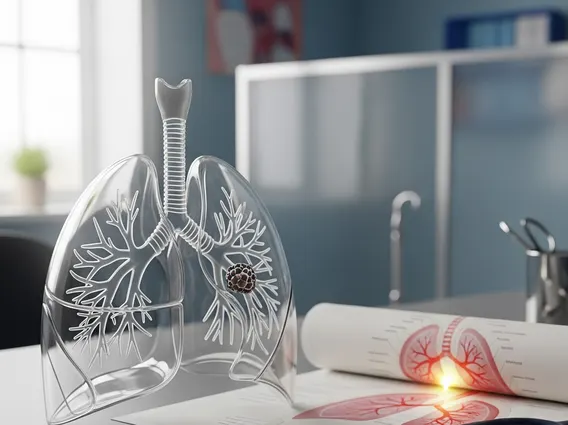
Bronchogenic carcinoma, commonly known as lung cancer, is a malignant tumor originating in the bronchi (airways) or lung tissue. It represents a significant global health challenge due to its prevalence and often aggressive nature.
Key Takeaways
- Bronchogenic carcinoma is a primary lung cancer originating in the airways or lung tissue.
- Smoking is the leading cause, alongside other environmental and genetic risk factors.
- The two main types of bronchogenic carcinoma are Non-Small Cell Lung Cancer (NSCLC) and Small Cell Lung Cancer (SCLC).
- Bronchogenic carcinoma symptoms often include a persistent cough, chest pain, and shortness of breath, frequently appearing in advanced stages.
- Early detection and understanding its causes are crucial for effective management and improved outcomes.
What is Bronchogenic Carcinoma?
What is bronchogenic carcinoma? It refers to cancer that begins in the cells lining the bronchi or other lung tissues. It is the most common type of lung cancer, characterized by the uncontrolled growth of abnormal cells that can form tumors and potentially spread to other parts of the body (metastasis). According to the World Health Organization (WHO), lung cancer is a leading cause of cancer-related deaths globally, underscoring the critical need for awareness and early diagnosis.
Causes and Types of Bronchogenic Carcinoma
Understanding the factors that contribute to the development of this disease and its various classifications is essential for prevention and treatment. Several elements can increase an individual’s risk, and the disease manifests in distinct forms.
Common Risk Factors
The primary factor contributing to bronchogenic carcinoma causes is exposure to carcinogens. Smoking is overwhelmingly the most significant risk factor, responsible for approximately 80-90% of all lung cancer cases, as reported by the Centers for Disease Control and Prevention (CDC). Both active smoking and exposure to secondhand smoke significantly elevate risk. Other important risk factors include:
- Occupational Exposures: Inhalation of substances like asbestos, radon, arsenic, chromium, and nickel can increase risk.
- Air Pollution: Long-term exposure to fine particulate matter in outdoor air pollution is a recognized carcinogen.
- Genetics: A family history of lung cancer may indicate an increased susceptibility.
- Previous Radiation Therapy: Radiation to the chest for other cancers can increase lung cancer risk.
Major Classifications
The primary types of bronchogenic carcinoma are categorized based on the appearance of cancer cells under a microscope, which influences treatment strategies. These include:
- Non-Small Cell Lung Cancer (NSCLC): This is the most common type, accounting for about 85% of all lung cancers. It tends to grow and spread more slowly than SCLC. NSCLC is further divided into subtypes:
- Adenocarcinoma: Often found in the outer parts of the lung, common in non-smokers.
- Squamous Cell Carcinoma: Typically found in the central part of the lung, often linked to smoking.
- Large Cell Carcinoma: Can appear in any part of the lung and tends to grow and spread quickly.
- Small Cell Lung Cancer (SCLC): This type accounts for about 10-15% of lung cancers. It is highly aggressive, grows rapidly, and often spreads early. SCLC is almost exclusively found in heavy smokers.
Recognizing Bronchogenic Carcinoma Symptoms
Early detection of bronchogenic carcinoma symptoms is crucial, although symptoms often do not appear until the cancer is advanced. When they do manifest, they can include a range of respiratory and systemic issues. It is important to consult a healthcare professional if any of these symptoms persist or worsen.
- Persistent Cough: A new cough that doesn’t go away or a chronic cough that gets worse.
- Chest Pain: Pain that worsens with deep breathing, coughing, or laughing.
- Shortness of Breath: Feeling breathless during routine activities.
- Wheezing: A whistling sound when breathing.
- Hoarseness: A change in voice that lasts for more than a few weeks.
- Weight Loss and Fatigue: Unexplained weight loss and persistent tiredness.
- Recurrent Infections: Frequent bouts of bronchitis or pneumonia.
- Clubbing of Fingers: Enlargement of the fingertips and downward curving of the nails.