
Bronchial Brushing
Bronchial brushing is a minimally invasive diagnostic procedure used to collect cells from the airways of the lungs. This technique is vital for identifying various lung conditions by providing samples for microscopic examination.
Key Takeaways
- Bronchial brushing is a diagnostic procedure collecting lung airway cells.
- It helps diagnose infections, inflammation, and cancers affecting the lungs.
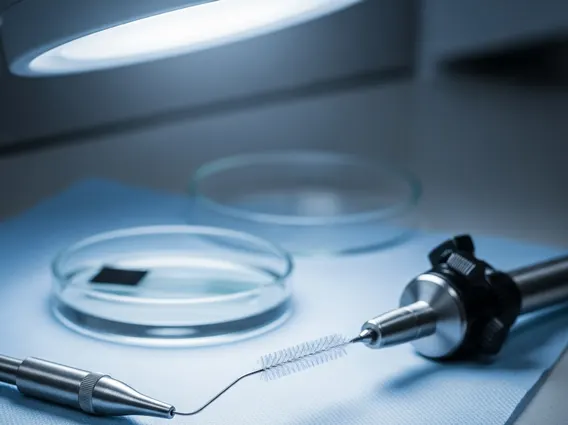
- The procedure involves a bronchoscope and a small brush to gather samples.
- Patients typically experience mild discomfort and recover quickly after the procedure.
- Benefits include accurate diagnosis with minimal invasiveness, though minor risks exist.
What is Bronchial Brushing?
Bronchial brushing is a medical technique performed during a bronchoscopy, where a thin, flexible tube with a camera (bronchoscope) is inserted through the nose or mouth into the lungs. The primary aim of what is bronchial brushing is to obtain cellular samples from suspicious areas within the bronchial tree. These samples are then sent to a pathology laboratory for analysis, aiding in the diagnosis of various pulmonary diseases.
Purpose and Diagnostic Applications
The purpose of bronchial brushing is primarily diagnostic, allowing physicians to investigate abnormalities observed during imaging tests like X-rays or CT scans. This procedure is instrumental for bronchial brushing for diagnosis of a wide range of conditions affecting the lungs. It is highly effective in detecting:
- Infections: Identifying bacteria, fungi, or viruses causing respiratory infections.
- Inflammation: Diagnosing inflammatory conditions affecting the airways.
- Cancer: Detecting malignant cells, particularly in cases of suspected lung cancer. Early, accurate diagnosis through procedures like bronchial brushing is vital for effective treatment planning, given that lung cancer remains a leading cause of cancer mortality globally.
This method offers a direct way to sample lung tissue without requiring more invasive surgical procedures.
The Bronchial Brushing Procedure
The bronchial brushing procedure is typically performed in a hospital or outpatient setting under conscious sedation, ensuring patient comfort. It involves several key steps, from initial preparation to post-procedure care.
Preparation and What to Expect
Before the procedure, patients receive specific instructions, which usually include fasting for several hours to prevent aspiration. They may also be advised to stop certain medications, such as blood thinners, a few days prior. Upon arrival, a local anesthetic will be applied to the throat to numb the area, and intravenous sedation will be administered to help the patient relax and minimize discomfort. During the procedure, the bronchoscope is gently guided into the airways. Once a suspicious area is identified, a small, sterile brush is advanced through a channel in the bronchoscope to gently rub the surface of the airway, collecting cells. This process is usually quick, and the collected cells are immediately preserved for pathological examination.
Post-Procedure Care
Following the bronchial brushing procedure, patients are monitored in a recovery area until the effects of sedation wear off. It is common to experience a sore throat, hoarseness, or a mild cough for a day or two. Patients are typically advised to avoid eating or drinking until the throat numbness subsides to prevent choking. Specific instructions regarding activity levels and medication will be provided before discharge. Most individuals can return to their normal activities within 24 hours, although strenuous exercise might be discouraged for a short period.
Benefits and Potential Risks
Bronchial brushing offers significant benefits as a diagnostic tool, providing a relatively non-invasive way to obtain crucial cellular information. Its primary advantage lies in its ability to yield a definitive diagnosis for various lung conditions, guiding appropriate treatment strategies.
However, like any medical procedure, there are potential risks, though they are generally low. These can include:
- Bleeding: Minor bleeding from the brushed area is possible, usually self-limiting.
- Infection: There is a small risk of introducing infection into the lungs.
- Pneumothorax: In rare cases, the procedure can cause a collapsed lung (pneumothorax), which may require further medical intervention.
- Sore throat or cough: These are common and temporary side effects.
Medical professionals carefully weigh these benefits against the potential risks for each patient, ensuring the procedure is appropriate and safe.



















