Bronchial Brush Biopsy
A bronchial brush biopsy is a diagnostic medical procedure used to collect cell samples from the airways of the lungs. This minimally invasive technique helps physicians identify various lung conditions, from infections to cancerous growths.
Key Takeaways
- A bronchial brush biopsy involves collecting lung cell samples using a small brush during a bronchoscopy.
- Its primary purpose is to diagnose lung diseases, including cancer, infections, and inflammatory conditions.
- The procedure is performed under sedation, involving the insertion of a bronchoscope and a tiny brush into the airways.
- While generally safe, potential risks include bleeding and infection, balanced by significant diagnostic benefits.
- It provides crucial information for accurate diagnosis and guiding treatment plans for respiratory issues.
What is Bronchial Brush Biopsy?
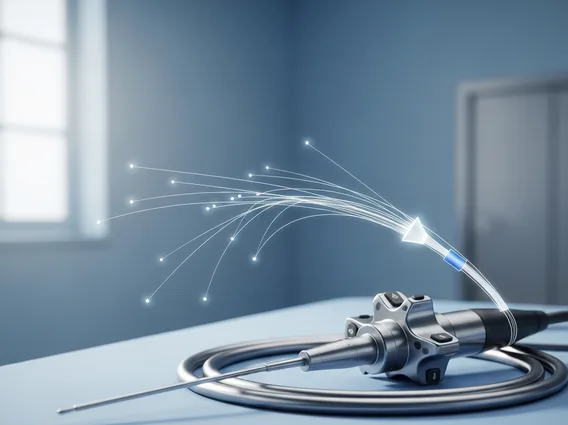
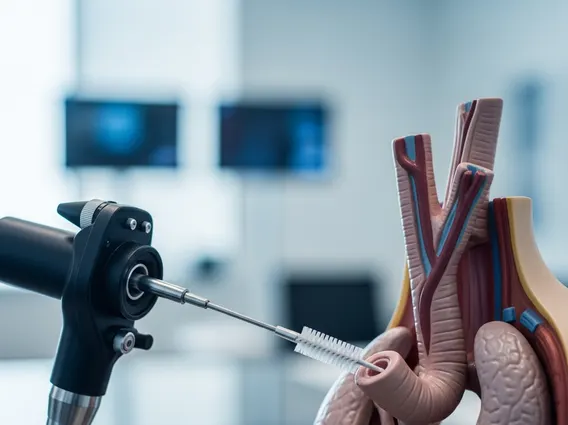
A bronchial brush biopsy is a specialized diagnostic technique performed during a bronchoscopy. It involves the use of a thin, flexible tube (bronchoscope) with a camera and light, which is guided into the patient’s airways. Once a suspicious area is identified, a small brush is passed through the bronchoscope to gently scrape cells from the lining of the bronchial tubes. These collected cells are then sent to a laboratory for microscopic examination, helping to determine the nature of any abnormalities. This procedure is instrumental in answering the question of what is bronchial brush biopsy and its role in pulmonary diagnostics.
Purpose and Procedure of Bronchial Brush Biopsy
Understanding the rationale and steps involved is crucial for patients considering this diagnostic tool. The procedure is designed to provide clear insights into lung health.
Why a Bronchial Brush Biopsy is Performed
The primary purpose of bronchial brush biopsy is to obtain tissue samples for accurate diagnosis of various lung and airway conditions. Physicians recommend this procedure when imaging tests, such as X-rays or CT scans, reveal abnormalities in the lungs or bronchi that require further investigation. It is particularly effective in diagnosing:
- Lung cancer or pre-cancerous changes.
- Infections, such as bacterial, fungal, or viral pneumonia.
- Inflammatory conditions, like sarcoidosis or chronic bronchitis.
- Unexplained persistent cough or abnormal sputum production.
By analyzing the collected cells, pathologists can identify specific diseases, guiding appropriate treatment strategies.
Steps of the Biopsy Procedure
The bronchial brush biopsy procedure explained involves several key stages, typically performed in an outpatient setting under local anesthesia and sedation:
- Preparation: The patient receives a local anesthetic to numb the throat and often a sedative to ensure comfort and relaxation.
- Bronchoscope Insertion: The physician gently inserts the bronchoscope, a thin, flexible tube, through the nose or mouth and guides it down the trachea into the bronchial tubes.
- Visualization and Sample Collection: Using the camera on the bronchoscope, the doctor visualizes the airways and identifies the area of concern. A small, sterile brush is then advanced through the bronchoscope to gently rub against the suspicious tissue, collecting cells.
- Sample Retrieval: The brush is withdrawn, and the collected cells are immediately transferred to slides or a liquid medium for laboratory analysis.
- Recovery: After the procedure, patients are monitored for a few hours as the sedation wears off before being discharged.
Risks and Benefits of Bronchial Brush Biopsy
Like any medical intervention, a bronchial brush biopsy carries potential risks and significant benefits that must be weighed.
Potential Risks
While generally considered safe, some potential complications can arise from a bronchial brush biopsy. These are typically rare and manageable:
- Bleeding: Minor bleeding at the biopsy site is common, but significant hemorrhage is rare.
- Infection: There is a small risk of developing an infection in the lungs or airways following the procedure.
- Pneumothorax: In rare cases, the lung may be punctured, leading to a collapsed lung (pneumothorax), which may require further intervention.
- Sore throat or hoarseness: Temporary discomfort in the throat or voice changes can occur due to the bronchoscope.
- Reaction to sedation: Some individuals may experience adverse reactions to the sedatives used.
Patients are closely monitored during and after the procedure to mitigate these risks.
Key Benefits
The advantages of undergoing a bronchial brush biopsy are substantial, particularly in providing definitive diagnoses for complex lung conditions.
- Accurate Diagnosis: It offers a highly effective method for obtaining cellular samples, leading to precise identification of diseases, especially lung cancer, which is crucial for early intervention. According to the American Cancer Society, early detection significantly improves treatment outcomes for lung cancer.
- Minimally Invasive: Compared to open surgical biopsies, it is less invasive, resulting in quicker recovery times and reduced discomfort.
- Targeted Sampling: The bronchoscope allows for direct visualization and targeted sampling of specific abnormal areas, increasing the diagnostic yield.
- Guidance for Treatment: A definitive diagnosis from the biopsy results enables physicians to formulate the most appropriate and effective treatment plan.
The comprehensive understanding of bronchial brush biopsy risks benefits helps patients and clinicians make informed decisions.