
Broad Ligament
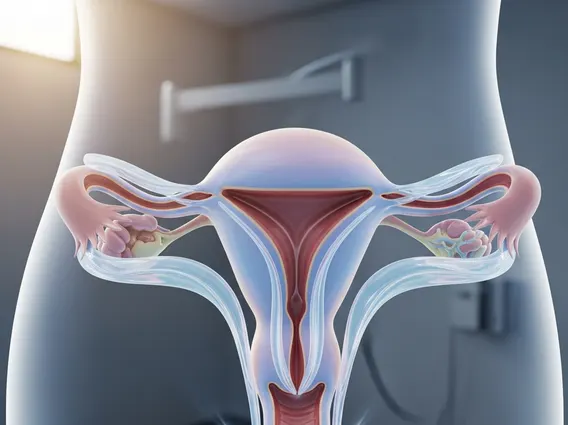
The broad ligament is a significant anatomical structure within the female pelvis, playing a crucial role in supporting reproductive organs. Understanding its composition and functions is essential for comprehending female pelvic anatomy and potential related health issues.
Key Takeaways
- The broad ligament is a double layer of peritoneum supporting the uterus, ovaries, and fallopian tubes.
- It is divided into three main parts: the mesovarium, mesosalpinx, and mesometrium.
- Its primary functions include providing structural support and housing blood vessels, nerves, and lymphatic channels.
- Pain in the broad ligament area can arise from various conditions, including inflammation, cysts, or trauma.
- A comprehensive understanding of its anatomy is vital for diagnosing and treating gynecological conditions.
What is Broad Ligament?
The broad ligament is a wide fold of peritoneum that connects the sides of the uterus to the walls and floor of the pelvis. To provide a precise broad ligament medical definition, it is essentially a double layer of peritoneum that drapes over the uterus, fallopian tubes, and ovaries, forming a septum that divides the pelvic cavity. This structure helps answer the question of what is the broad ligament, clarifying that it is not a true ligament in the traditional sense of fibrous connective tissue, but rather a peritoneal fold that encloses various structures. It is integral to the female reproductive system, offering both support and a pathway for neurovascular supply.
Broad Ligament Anatomy and Functions
The broad ligament, despite its name, is a complex peritoneal structure rather than a dense fibrous ligament. It extends from the lateral borders of the uterus to the pelvic sidewalls, creating a partition within the pelvic cavity. This extensive fold is crucial for maintaining the position of the uterus and its associated organs, encompassing both its structure and roles, which are vital aspects of broad ligament function and anatomy.
Anatomical Structure
The broad ligament anatomy is typically described in three main parts, each named for the organ it primarily supports:
- The mesovarium is the part of the broad ligament that attaches the anterior border of the ovary to the posterior layer of the broad ligament.
- The mesosalpinx is the superior part of the broad ligament, enclosing the fallopian tube.
- The mesometrium is the largest and most inferior part, extending from the lateral aspect of the uterus to the pelvic sidewall, encompassing the uterine arteries and veins.
Within these layers, the broad ligament also contains connective tissue, nerves, and lymphatic vessels, all vital for the reproductive organs.
Physiological Roles
The primary broad ligament function is to provide structural support to the uterus, fallopian tubes, and ovaries, helping to keep them in their correct anatomical positions within the pelvic cavity. Beyond mere suspension, it serves as a critical conduit for the neurovascular supply to these organs. It houses the uterine and ovarian arteries and veins, as well as nerves and lymphatic drainage pathways. This intricate network ensures that the reproductive organs receive adequate blood supply and innervation, which are essential for their proper functioning, including menstruation, ovulation, and pregnancy.
Causes of Broad Ligament Pain
Pain associated with this region can be a symptom of various underlying conditions. Understanding the broad ligament pain causes is important for accurate diagnosis and treatment. Since the broad ligament contains nerves, blood vessels, and connective tissue, it can be affected by conditions that cause inflammation, stretching, or compression.
Common causes include:
- Inflammation or infection: Conditions like pelvic inflammatory disease (PID) can extend to the broad ligament, causing discomfort.
- Cysts: Paratubal or paraovarian cysts, which are often benign, can develop within or adjacent to the broad ligament, leading to pain if they grow large, rupture, or twist.
- Endometriosis: The presence of endometrial-like tissue outside the uterus, including on the broad ligament, can cause chronic pelvic pain, especially during menstruation.
- Trauma or injury: Direct trauma to the pelvis or complications from surgical procedures can sometimes affect the broad ligament, resulting in pain.
- Varicosities: Pelvic congestion syndrome, characterized by dilated veins within the broad ligament, can lead to chronic, dull pelvic pain.
- Uterine fibroids: Large fibroids can sometimes exert pressure or cause traction on the broad ligament, contributing to discomfort.
It is important to consult a healthcare professional for persistent or severe pelvic pain to determine the exact cause and receive appropriate medical guidance.



















