Brivanib Alaninate
Brivanib Alaninate is an investigational oral medication that has been studied for its potential role in treating various cancers. It functions as a multi-targeted kinase inhibitor, aiming to disrupt pathways essential for tumor growth and spread.

Key Takeaways
- Brivanib Alaninate is an investigational multi-targeted kinase inhibitor.
- Its primary action involves blocking specific receptors crucial for blood vessel formation and tumor cell proliferation.
- It has been studied for its potential in treating certain advanced cancers, such as hepatocellular carcinoma.
- Like all potent medications, it is associated with a range of potential side effects that require careful monitoring.
What is Brivanib Alaninate?
What is brivanib alaninate? It is an orally administered small molecule that acts as a potent and selective inhibitor of receptor tyrosine kinases. Specifically, it targets the vascular endothelial growth factor receptor (VEGFR) and fibroblast growth factor receptor (FGFR) families. These receptors play critical roles in angiogenesis, the process by which new blood vessels form, and in the survival and proliferation of cancer cells. By inhibiting these pathways, brivanib alaninate aims to starve tumors of their blood supply and directly impede their growth, representing a targeted approach in cancer therapy.
How Brivanib Alaninate Works and Its Uses
The brivanib alaninate mechanism of action involves blocking the activity of multiple receptor tyrosine kinases, primarily VEGFR-1, -2, and -3, as well as FGFR-1 and -2. These receptors, when activated, send signals within the cell that promote blood vessel formation (angiogenesis) and cell division. In many cancers, these pathways are overactive, contributing to uncontrolled tumor growth and metastasis. By inhibiting these kinases, brivanib alaninate interferes with the tumor’s ability to develop a blood supply and grow, thereby potentially slowing disease progression.
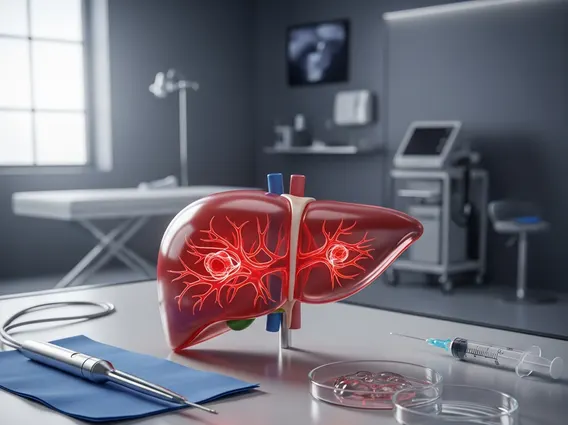
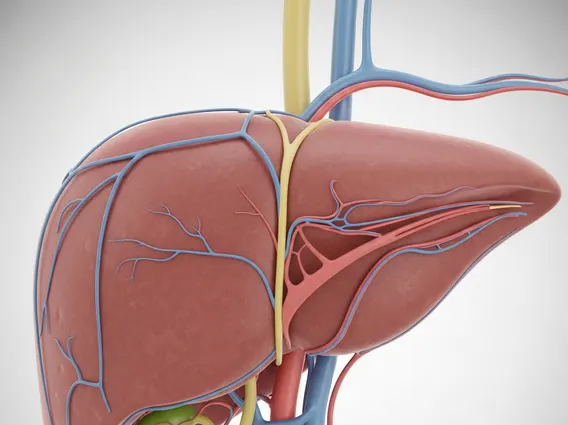
Regarding brivanib alaninate uses, it has been extensively investigated in clinical trials for the treatment of various advanced cancers. One notable area of study has been in advanced hepatocellular carcinoma (HCC), a type of liver cancer, particularly in patients who have progressed on or are intolerant to other standard therapies. It has also been explored in other solid tumors, including renal cell carcinoma and non-small cell lung cancer, as a single agent or in combination with other treatments. The goal of these studies is to determine its efficacy and safety profile in different cancer settings.
Potential Side Effects of Brivanib Alaninate
Like all medications, brivanib alaninate side effects can occur and vary in severity among individuals. Due to its mechanism of action, which affects processes like blood vessel formation, some side effects are related to these pathways. Common side effects reported in clinical trials include fatigue, diarrhea, nausea, vomiting, and hypertension (high blood pressure). Patients may also experience skin reactions, such as rash or hand-foot syndrome, and changes in liver function tests.
More serious, though less common, side effects can include hemorrhage (bleeding events), arterial thrombotic events (blood clots in arteries), and proteinuria (protein in the urine). Given the potential for significant side effects, treatment with brivanib alaninate requires careful monitoring by a healthcare professional. Patients would typically undergo regular blood tests and blood pressure checks to manage and mitigate any adverse reactions promptly.