Breast Biopsy Marker
A breast biopsy marker is a tiny, medical-grade device placed into the breast during a biopsy procedure. Its primary role is to precisely identify the location of the biopsied tissue for future medical reference, ensuring accuracy in subsequent treatments or monitoring.
Key Takeaways
- A breast biopsy marker is a small, inert clip placed at the site of a breast biopsy.
- The main purpose of breast biopsy markers is to accurately mark the specific area where tissue was removed.
- Common types of breast biopsy markers include metallic clips (titanium, stainless steel) and sometimes bioabsorbable materials.
- These markers are generally considered very safe, are FDA-approved, and usually remain in the breast permanently without causing issues.
What is a Breast Biopsy Marker?
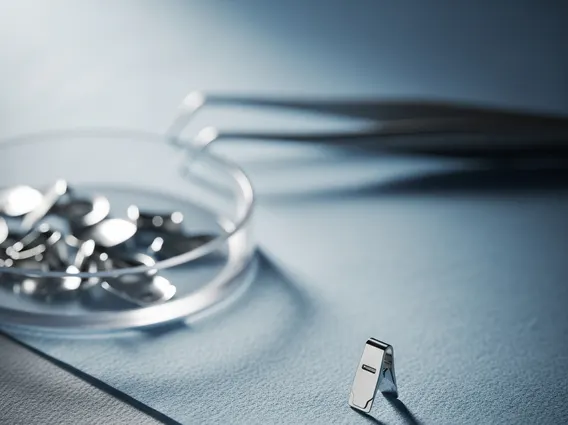
A breast biopsy marker, often referred to simply as a biopsy clip, is a minute device, typically smaller than a grain of rice, made from medical-grade materials. It is strategically placed by a radiologist at the site where breast tissue has been removed during a biopsy procedure. The placement occurs immediately after the tissue sample is taken, using the same needle that performed the biopsy. This ensures that the exact location of the abnormality, or the area of concern, is permanently marked within the breast tissue.
Understanding what is a breast biopsy marker is crucial for patients undergoing such procedures. These markers are designed to be inert, meaning they do not react with body tissues, and are visible on subsequent imaging tests like mammograms, ultrasounds, or MRIs. This visibility is essential for guiding further treatment decisions or monitoring changes over time, providing a clear reference point for healthcare providers.
Purpose and Types of Biopsy Markers
The fundamental purpose of breast biopsy markers is to provide a precise, long-term reference point for the area that was biopsied. This is particularly important if the biopsy reveals cancerous cells, as the marker guides surgeons to the exact location for removal of the remaining tumor. It also helps in cases where the biopsy is benign but requires ongoing surveillance, ensuring that future imaging can accurately compare the marked site over time. Without a marker, locating the exact biopsy site for follow-up procedures or surgery could be challenging, especially if the abnormality was subtle or non-palpable.
There are several types of breast biopsy markers available, primarily distinguished by their material composition and shape. The most common types are:
- Metallic Clips: These are usually made from titanium or stainless steel, materials known for their biocompatibility and visibility on X-ray imaging. They come in various shapes, such as coils, spirals, or tiny spheres, designed to anchor securely within the breast tissue.
- Bioabsorbable Markers: Some markers combine a metallic component with a bioabsorbable material, like a collagen plug. The bioabsorbable part helps to temporarily fill the biopsy cavity and may dissolve over several months, while the metallic clip remains permanently for long-term visibility.
- Permanent vs. Resorbable: While the metallic component of most markers is permanent, the addition of resorbable materials can offer temporary benefits, such as reducing the risk of hematoma or aiding in initial tissue healing. However, the primary identification function relies on the permanent, radiopaque component.
Safety and What to Expect
Many patients wonder, are breast biopsy markers safe? The answer is overwhelmingly yes. Breast biopsy markers are rigorously tested and approved by regulatory bodies like the U.S. Food and Drug Administration (FDA) for medical use. They are made from non-allergenic, non-corrosive materials that are well-tolerated by the body and do not interfere with future medical procedures, including MRI scans (as they are typically non-ferromagnetic).
After the marker is placed, most patients experience minimal discomfort, similar to the initial biopsy procedure itself. Some may feel a slight pressure or mild soreness at the biopsy site for a few days, which can be managed with over-the-counter pain relievers. It is extremely rare for a patient to feel the marker once it is in place, as it is very small and embedded within the breast tissue. Complications are infrequent but can include minor bruising or a small hematoma at the biopsy site, which typically resolve on their own. The markers do not set off metal detectors and generally do not cause any long-term issues, allowing patients to resume normal activities shortly after the procedure.