Boronophenylalanine Fructose Complex
Boronophenylalanine Fructose Complex is a specialized compound of significant interest in advanced medical therapies, particularly in oncology. This complex is designed to enhance the delivery of boron to target cells, playing a crucial role in innovative cancer treatment strategies.
Key Takeaways
- It is a chemical complex formed between Boronophenylalanine (BPA) and fructose.
- Its primary function is to act as a boron delivery agent in cancer therapy.
- The complex enhances the solubility and cellular uptake of boron, especially in rapidly dividing cancer cells.
- It is predominantly utilized in Boron Neutron Capture Therapy (BNCT) for selective tumor irradiation.
- The fructose component improves its pharmacokinetic profile and targeting efficiency.
What is Boronophenylalanine Fructose Complex?
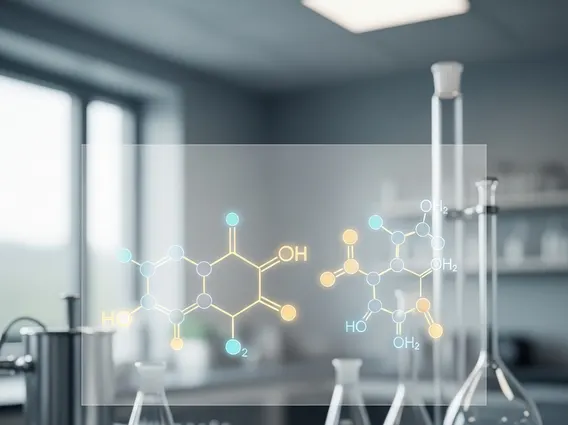
The Boronophenylalanine Fructose Complex refers to a chemical compound formed by the chelation of Boronophenylalanine (BPA) with fructose. This innovative complex was developed to improve the solubility and bioavailability of BPA, a key component in Boron Neutron Capture Therapy (BNCT). The core concept behind this complex is to leverage the metabolic pathways of cancer cells, which often exhibit increased uptake of certain amino acids and sugars, to selectively deliver boron to tumor sites. The Boronophenylalanine fructose complex explanation highlights its design to optimize boron delivery for therapeutic purposes.
Boronophenylalanine itself is an amino acid analogue containing a boron atom. When complexed with fructose, its physicochemical properties are altered, leading to enhanced aqueous solubility and improved transport across cell membranes. This modification is critical for its efficacy in clinical applications, as it allows for more efficient accumulation of boron within cancerous cells compared to normal healthy tissues. This selective accumulation is fundamental to the precision of therapies like BNCT, where boron acts as a neutron capture agent.
Properties and Applications of Boronophenylalanine Fructose Complex
The distinct Boronophenylalanine fructose complex properties are central to its utility in medical applications. One of its most significant characteristics is its enhanced water solubility, which facilitates easier administration and better systemic distribution compared to uncomplexed BPA. Furthermore, the complex exhibits improved cellular uptake, particularly by malignant cells, which often overexpress amino acid transporters (like LAT1) and have altered glucose metabolism. The fructose moiety is believed to contribute to this enhanced transport and stability in biological systems, ensuring that boron is delivered efficiently to the target cells.
The primary Boronophenylalanine fructose complex uses are found within the realm of Boron Neutron Capture Therapy (BNCT). BNCT is a highly targeted radiation therapy that relies on the nuclear reaction that occurs when a stable isotope of boron (boron-10) captures thermal neutrons. This reaction produces high-linear energy transfer (LET) alpha particles and lithium-7 nuclei, which have a very short range (approximately one cancer cell diameter). This localized energy deposition allows for precise destruction of boron-laden cancer cells while sparing surrounding healthy tissue, making it a promising approach for difficult-to-treat tumors.
- Enhanced Tumor Selectivity: The complex is designed to accumulate preferentially in tumor cells due to their metabolic characteristics, maximizing boron concentration at the disease site and minimizing impact on healthy tissue.
- Improved Pharmacokinetics: The fructose component helps in achieving optimal blood boron concentrations and faster clearance from healthy tissues, reducing systemic toxicity and improving the therapeutic window.
- Increased Solubility: Facilitates intravenous administration, which is crucial for delivering a sufficient dose of boron to deep-seated tumors and ensuring consistent drug delivery.
Clinical trials and research continue to explore the full potential of Boronophenylalanine Fructose Complex in treating various cancers, including brain tumors (glioblastoma), head and neck cancers, and melanoma, where its targeted delivery mechanism offers a promising alternative to conventional radiation therapies. For instance, studies have shown that BNCT using BPA-fructose complex can achieve significant tumor control in recurrent head and neck cancers, with reported median survival times extending beyond those seen with standard treatments (e.g., International Journal of Radiation Oncology data). The ongoing development aims to further optimize its delivery and expand its application to a wider range of malignancies.