Blood Pressure Monitors
Monitoring blood pressure at home has become an essential practice for managing hypertension and maintaining cardiovascular health. With advancements in technology, modern blood pressure monitors offer convenience and reliability, empowering individuals to take an active role in their health journey.
Key Takeaways
- Blood pressure monitors use oscillometric technology to measure blood pressure by detecting arterial vibrations.
- Choosing the best blood pressure monitor for home use involves considering cuff type (upper arm vs. wrist), cuff size, and clinical validation.
- Proper technique and regular calibration are crucial for the accuracy of blood pressure monitors.
- Always consult blood pressure monitor reviews and ratings and look for clinically validated devices.
- Regular home monitoring, guided by your doctor, is vital for effective blood pressure management.
Understanding Blood Pressure Monitors: How They Work
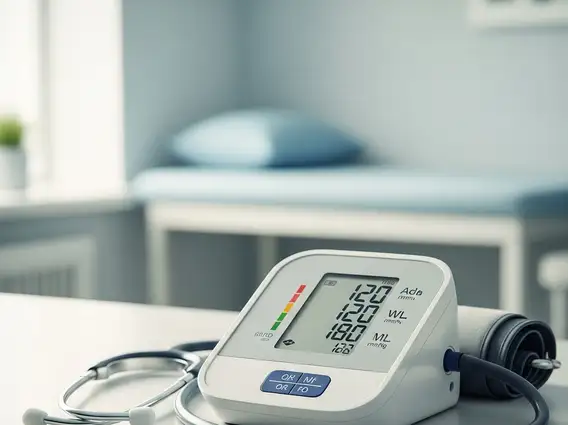
A blood pressure monitor is a medical device used to measure blood pressure, a vital sign indicating the force of blood against the walls of your arteries. Understanding what is a blood pressure monitor and how to use it effectively is fundamental for anyone managing their cardiovascular health. These devices typically consist of an inflatable cuff, a measurement unit, and a display. The process involves inflating the cuff around an arm or wrist to temporarily stop blood flow, then gradually deflating it while detecting arterial pulsations.
The core principle behind how do blood pressure monitors work, particularly the digital models commonly used at home, is oscillometric measurement. When the cuff inflates, it compresses the artery, and as it slowly deflates, the monitor detects the vibrations (oscillations) caused by the blood flowing through the artery. The device then uses a sophisticated algorithm to translate these oscillations into systolic and diastolic blood pressure readings. This method is non-invasive and provides a quick, convenient way to track blood pressure trends over time.
Regular monitoring with blood pressure monitors is increasingly recommended by health professionals. According to the World Health Organization (WHO), an estimated 1.28 billion adults aged 30-79 years worldwide have hypertension, with a significant portion unaware of their condition. Home monitoring can help in early detection, provide valuable data for your doctor to assess treatment effectiveness, and encourage adherence to lifestyle modifications. It also helps in identifying “white coat hypertension” (elevated readings in a clinical setting) or “masked hypertension” (normal readings in a clinic but high at home).
Selecting the Best Home Blood Pressure Monitor
Choosing the right device is crucial for obtaining reliable readings and ensuring consistent monitoring. When considering how to choose a blood pressure monitor, several factors come into play, including the type of monitor, cuff size, and additional features. The market offers a wide array of types of home blood pressure monitors, each with its own advantages and considerations, making informed selection key to effective self-management of blood pressure.
For many, the goal is to find the best blood pressure monitor for home use that combines accuracy, ease of use, and durability. It’s important to prioritize devices that have been clinically validated by independent organizations, ensuring they meet international standards for accuracy. Look for labels from organizations like the British and Irish Hypertension Society (BIHS), the European Society of Hypertension (ESH), or the Association for the Advancement of Medical Instrumentation (AAMI).
Upper Arm vs. Wrist Monitors
The primary distinction among blood pressure monitors for home use lies in their placement: upper arm or wrist. Upper arm blood pressure monitors are generally considered the gold standard due to their proximity to the heart, which tends to yield more consistent and accurate readings. They typically feature a cuff that wraps around the bicep, inflating to measure blood pressure. These are often recommended for most adults, including those with certain medical conditions.
Wrist blood pressure monitors, while more compact and convenient for travel, can be more sensitive to body position. For accurate readings with a wrist monitor, it’s critical to position the wrist at heart level during measurement. They may be a suitable option for individuals who find upper arm cuffs uncomfortable or difficult to use, but their accuracy can be more variable if not used precisely. Always consult your healthcare provider to determine which type is most appropriate for your specific health needs.
Key Features to Consider
Beyond the basic functionality, several features can enhance the utility and user experience of blood pressure monitors. When you choose a blood pressure monitor, consider:
- Cuff Size: An appropriately sized cuff is paramount for accuracy. Cuffs come in various sizes (small, standard, large, extra-large), and using one that is too small or too large can lead to incorrect readings. Always measure your arm circumference and match it to the manufacturer’s guidelines.
- Memory Storage: Many monitors can store multiple readings, allowing you to track your blood pressure over time and share data with your doctor. Some even offer memory for two users.
- Irregular Heartbeat Detection: This feature alerts you to potential arrhythmias, which can be an important indicator of underlying heart conditions.
- Connectivity: Bluetooth-enabled monitors can sync data to smartphone apps, providing detailed insights, trends, and easy sharing with healthcare providers.
- Backlit Display: A clear, easy-to-read display, especially with backlighting, is beneficial for users with vision impairments or for use in low-light conditions.
- AC Adapter Option: While most run on batteries, an AC adapter option can save on battery costs and ensure consistent power.
Carefully evaluating these features will help you select a device that not only provides accurate readings but also fits seamlessly into your daily routine, making home blood pressure monitoring a sustainable practice.
Accuracy and Top-Rated Blood Pressure Monitors
The accuracy of blood pressure monitors is paramount for effective hypertension management. Inaccurate readings can lead to misdiagnosis or inappropriate treatment adjustments, posing risks to patient health. Several factors influence accuracy, including the quality of the device, proper technique during measurement, and regular calibration. It is essential to use a clinically validated device and follow the manufacturer’s instructions meticulously.
To ensure reliability, always take your blood pressure at the same time each day, preferably in the morning before medication and after resting for at least five minutes. Avoid caffeine, exercise, and smoking for at least 30 minutes prior to measurement. Sit upright with your back supported, feet flat on the floor, and the arm supported at heart level. Taking multiple readings and averaging them can also improve accuracy. The American Heart Association (AHA) recommends taking two or three readings one minute apart and averaging them.
When searching for the best blood pressure monitor for home use, consumers often turn to blood pressure monitor reviews and ratings. These resources can provide valuable insights into user experience, ease of use, and perceived accuracy. However, it’s crucial to cross-reference user reviews with professional validation. Look for devices that consistently receive high ratings from both users and medical professionals, and that are listed on reputable validation websites. While specific brand recommendations can change, the criteria for a top-rated monitor remain constant: clinical validation, correct cuff fit, user-friendly interface, and consistent performance.
Here’s a general comparison of common types of home blood pressure monitors:
| Monitor Type | Pros | Cons | Ideal User |
|---|---|---|---|
| Upper Arm (Automatic) | Generally most accurate; widely recommended by doctors; easy to use. | Less portable; cuff size must be correct; can be uncomfortable for some. | Most adults, especially those needing consistent, reliable readings. |
| Wrist (Automatic) | Highly portable; convenient for travel; smaller cuff. | More sensitive to body position; potentially less accurate if not positioned correctly. | Individuals who find upper arm cuffs difficult or uncomfortable; frequent travelers. |
| Manual (Aneroid) | Cost-effective; requires stethoscope and training; highly accurate when used by trained individuals. | Requires skill and good hearing; not suitable for self-monitoring by most. | Healthcare professionals or trained individuals. |
Ultimately, the most accurate monitor is one that is used correctly and consistently. Regular calibration checks, as recommended by the manufacturer, can also help maintain the long-term accuracy of your device.
Frequently Asked Questions
How often should I check my blood pressure at home?
The frequency of home blood pressure monitoring depends on your individual health needs and your doctor’s recommendations. If you have been diagnosed with hypertension or are at risk, your doctor might suggest daily checks, often twice a day (morning and evening). For general wellness or to track medication effectiveness, less frequent checks might suffice. Always follow your healthcare provider’s specific advice, as consistent monitoring provides the most valuable data for managing your blood pressure effectively.
Can diet and lifestyle affect the accuracy of blood pressure readings?
Yes, diet and lifestyle factors can significantly impact your blood pressure readings, potentially affecting their accuracy if not managed before measurement. Consuming caffeine, smoking, or engaging in strenuous exercise within 30 minutes prior to a reading can temporarily elevate blood pressure. Similarly, stress, anxiety, or a full bladder can also lead to higher readings. For the most accurate results, ensure you are relaxed, have an empty bladder, and avoid stimulants before taking your blood pressure.
Are smart blood pressure monitors worth the investment?
Smart blood pressure monitors, which often connect to smartphone apps via Bluetooth, can be a worthwhile investment for many. They offer enhanced features like automatic data logging, trend analysis, and easy sharing of readings with healthcare providers, streamlining the monitoring process. While they may come at a higher price point than basic models, the convenience and comprehensive data tracking can significantly aid in better blood pressure management and adherence to monitoring routines, especially for tech-savvy users.