
Blood Glucose Meters
Blood glucose meters are indispensable tools for individuals managing diabetes, offering a convenient and effective way to monitor blood sugar levels at home. These portable devices empower users to track their glycemic control, make informed decisions about diet and medication, and work closely with their healthcare providers to maintain optimal health.
Key Takeaways
- Blood glucose meters are essential for self-monitoring blood sugar levels in diabetes management.
- They operate by measuring an electrical current generated from a chemical reaction between blood glucose and a test strip.
- Various types of blood glucose meters exist, offering different features like data storage, connectivity, and ease of use.
- Accuracy of blood glucose meters is crucial, and proper technique along with device calibration ensures reliable readings.
- When deciding how to choose a blood glucose meter, consider factors such as accuracy, cost of strips, ease of use, and advanced features.
Understanding How Glucose Meters Work
What are blood glucose meters? They are compact, electronic devices designed to measure the concentration of glucose (sugar) in a small sample of blood. These meters are fundamental for individuals with diabetes, enabling them to regularly check their blood sugar levels and adjust their treatment plans, diet, or physical activity as needed. Consistent monitoring helps prevent both hyperglycemia (high blood sugar) and hypoglycemia (low blood sugar), which can lead to serious health complications.
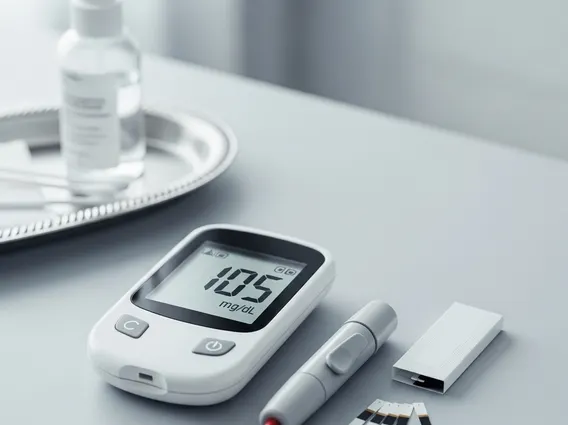
The core principle behind how do blood glucose meters work involves an electrochemical process. When a tiny drop of blood, typically obtained from a finger-prick using a lancet, is applied to a disposable test strip, a chemical reaction occurs. The test strip contains enzymes that react specifically with glucose in the blood, producing a small electrical current. The glucose meters then measure this current and translate it into a digital reading, displayed in units like milligrams per deciliter (mg/dL) or millimoles per liter (mmol/L).
The accuracy of blood glucose meters is paramount for effective diabetes management. Factors such as proper test strip storage, environmental conditions (temperature and humidity), and user technique can influence results. It is crucial to follow the manufacturer’s instructions for use, including calibration and quality control checks, to ensure reliable readings. Regular maintenance and understanding potential interferences are vital for trusting the data provided by these devices.
Types and Key Features of Blood Glucose Meters
The market offers a diverse range of types of blood glucose meters, each designed to cater to different user preferences and needs. While the fundamental function of measuring blood glucose remains consistent, the features, design, and connectivity options can vary significantly. Understanding these differences is key to finding a meter that seamlessly integrates into an individual’s daily routine.
Many modern glucose meters prioritize user convenience and efficiency. Common features include requiring only a very small blood sample, providing rapid results (often within 5-10 seconds), and having memory functions to store hundreds of past readings. These stored data points are invaluable for identifying trends and patterns in blood sugar levels over time, which can be reviewed with healthcare professionals to optimize treatment strategies.
Standard Blood Glucose Meters
Standard blood glucose meters typically involve a finger-prick method to obtain a blood sample. These devices are generally compact, lightweight, and highly portable, making them suitable for daily use at home, work, or while traveling. They are often chosen for their straightforward operation and reliability. While some models are basic, others may include features like backlit displays for low-light conditions, large digits for easier reading, and simple navigation buttons, making them accessible for a wide range of users.
Advanced Features and Connectivity
Beyond basic functionality, many contemporary blood glucose meters offer advanced features that enhance their utility. These can include meal markers to differentiate readings taken before or after meals, personalized target ranges, and hypo/hyperglycemia alerts. A significant advancement is the integration of Bluetooth technology, allowing meters to connect wirelessly to smartphone applications. These apps can automatically log readings, generate detailed reports, analyze trends, and even share data directly with healthcare providers. Such connectivity transforms raw data into actionable insights, facilitating more proactive and informed diabetes management. While distinct from traditional meters, some individuals also utilize Continuous Glucose Monitors (CGMs) for ongoing, real-time glucose tracking, which can complement the spot-check data from conventional meters.
Choosing the Best Glucose Meter for Your Needs
Selecting the ideal glucose meter is a crucial decision that directly impacts the effectiveness of diabetes management. With numerous options available, understanding how to choose a blood glucose meter involves evaluating several factors tailored to individual lifestyle, budget, and specific health requirements. This personalized approach ensures the chosen device will be used consistently and effectively.
Paramount among these considerations is the accuracy of blood glucose meters. It is essential to choose a device that meets recognized industry standards, such as ISO 15197:2013, which specifies requirements for in vitro diagnostic test systems for self-testing. Beyond accuracy, ease of use is vital; a meter with a clear, large display, intuitive navigation, and comfortable handling will encourage regular testing. Factors like the required blood sample size, testing speed, and the simplicity of the testing process also contribute significantly to user satisfaction.
Practical aspects such as cost and data management also play a significant role. While the initial price of the meter itself can vary, the ongoing expense of test strips, lancets, and control solutions often represents the larger financial commitment. Therefore, it’s wise to consider the long-term cost of consumables. Many users benefit from meters that offer robust data storage capabilities and seamless integration with health tracking apps. Exploring blood glucose meter reviews and comparisons can provide valuable insights into user experiences regarding these features, helping to identify the best blood glucose meters for home use that align with personal preferences and clinical needs.
When making your selection, consider the following key factors:
- Accuracy: Prioritize meters that consistently provide precise readings and meet international accuracy standards.
- Ease of Use: Look for features like a large, backlit display, easy-to-press buttons, and a simple, step-by-step testing process.
- Cost: Evaluate both the initial purchase price of the meter and the ongoing cost of compatible test strips and lancets.
- Features: Consider memory capacity, meal markers, trend analysis, and smartphone connectivity for data tracking and sharing.
- Portability: If you travel frequently or need to test on the go, choose a compact and lightweight model.
- Customer Support: Check for reliable customer service, warranty information, and availability of replacement parts or accessories.
Ultimately, the best choice will be a meter that you feel comfortable and confident using regularly. Always consult with your healthcare provider or diabetes educator to discuss which glucose meters are most appropriate for your specific diabetes management plan and health goals.
Frequently Asked Questions
How often should I check my blood glucose?
The frequency of blood glucose monitoring varies greatly depending on your type of diabetes, medication regimen, and overall health goals. Individuals with Type 1 diabetes or those on insulin often need to check multiple times a day, including before and after meals, and at bedtime. For Type 2 diabetes managed with diet, exercise, or non-insulin medications, monitoring might be less frequent. Your healthcare provider will establish a personalized testing schedule based on your specific needs to ensure optimal glycemic control.
Are all blood glucose meters equally accurate?
While all commercially available blood glucose meters must meet regulatory standards for accuracy, there can be slight variations between different brands and models. Reputable meters typically adhere to ISO 15197:2013 standards, which allow for a certain percentage of readings to be within a specified margin of error compared to laboratory results. Factors like proper technique, test strip quality, and environmental conditions can also impact the accuracy of blood glucose meters. It’s important to use your meter correctly and discuss any concerns about accuracy with your doctor.
What should I do if my meter gives an unexpected reading?
If your glucose meter displays an unexpected reading that doesn’t align with how you feel or your usual patterns, it’s important not to panic. First, recheck your blood glucose using a new test strip and ensure proper technique. Check the expiration date of your test strips and make sure they have been stored correctly. If the reading remains unusual, or if you are experiencing symptoms of very high or low blood sugar, contact your healthcare provider immediately for guidance. Do not make significant changes to your medication without professional advice.