
Blood Draw
A blood draw is a common medical procedure used to collect a sample of blood for various diagnostic and monitoring purposes. It is a quick and generally safe process performed by healthcare professionals.
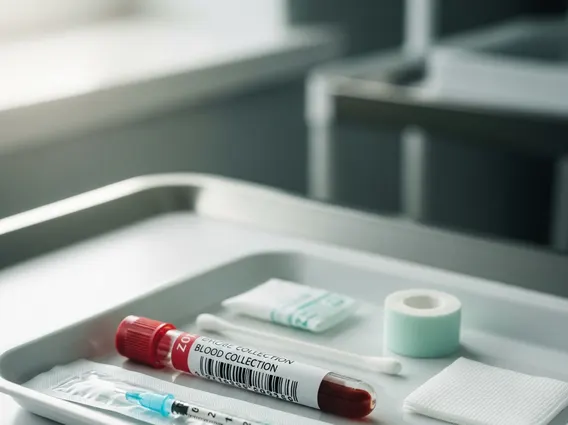
Key Takeaways
- A blood draw is essential for diagnosing conditions, monitoring health, and assessing treatment effectiveness.
- The blood draw procedure involves a trained professional collecting a small blood sample, typically from a vein in the arm.
- Proper preparation for a blood test, such as fasting or avoiding certain medications, is crucial for accurate results.
- While generally safe, minor blood draw side effects and risks like bruising or lightheadedness can occur.
- There are numerous reasons for getting blood drawn, from routine check-ups to specific disease detection.
What Is a Blood Draw?
A blood draw, also known as venipuncture, is a routine medical procedure where a small amount of blood is taken from a vein, typically in the arm. This process is fundamental to modern medicine, providing healthcare providers with crucial insights into a patient’s health status, and understanding what is Blood Draw involves recognizing its role as a diagnostic tool.
Purpose of Getting Blood Drawn
There are many reasons for getting blood drawn, primarily for diagnostic and monitoring purposes. Blood tests help detect diseases early, assess organ function, monitor chronic conditions, and evaluate treatment effectiveness. For instance, blood samples can reveal information about blood sugar, cholesterol, infection markers, and organ function. According to the Centers for Disease Control and Prevention (CDC), laboratory tests, including blood draws, play a critical role in 70% of medical decisions.
Understanding the Blood Draw Procedure
The blood draw procedure is typically straightforward. A trained phlebotomist or nurse identifies a suitable vein, often in the antecubital fossa (the inside of the elbow). The area is cleaned with an antiseptic wipe, and a tourniquet may be applied to make the vein more prominent. A sterile needle is then inserted, and blood is collected into vials. Once sufficient blood is collected, the tourniquet and needle are removed. Pressure is applied to the puncture site with gauze to prevent bruising, and a bandage is applied. The entire process usually takes only a few minutes.
Preparing for Your Blood Test
Knowing how to prepare for blood test is vital for accurate and reliable results. Preparation varies depending on the specific tests ordered by your doctor.
- Fasting: For certain tests (e.g., blood sugar, cholesterol), you may be instructed to fast for 8-12 hours, meaning no food or drinks except water.
- Medications: Discuss all medications, supplements, and herbal remedies with your doctor, as some can affect results. Your doctor may advise temporary cessation or dose adjustment.
- Hydration: Drinking plenty of water beforehand can make veins easier to find, facilitating a smoother blood draw.
- Clothing: Wear loose-fitting clothing with sleeves that roll up easily for arm access.
- Relaxation: Anxiety can affect results or comfort; try to relax and breathe deeply.
Potential Blood Draw Side Effects
While generally safe, common blood draw side effects and risks are mostly mild and temporary.
- Bruising: The most common side effect, occurring when blood leaks into surrounding tissue, usually resolves within days.
- Soreness or Tenderness: The puncture site may feel sore for a day or two.
- Lightheadedness or Dizziness: Some individuals may feel faint, especially if anxious or needle-phobic. Lying down during the procedure can help.
- Hematoma: A rare, larger collection of blood under the skin, similar to a severe bruise.
- Infection: Very rare due to sterile techniques, but a minimal risk exists at the puncture site.
- Nerve Damage: Extremely rare, possible if the needle strikes a nerve, causing sharp pain during the draw.
Most side effects are managed by applying pressure post-draw and avoiding heavy lifting for a few hours. Contact your healthcare provider for severe pain, swelling, or infection signs.



















