Blessed Thistle
Blessed Thistle (Cnicus benedictus) is an annual plant native to the Mediterranean region, historically valued for its various applications. This article explores its characteristics, traditional uses, and important considerations for its consumption.
Key Takeaways
- Blessed Thistle is a spiny, yellow-flowered plant traditionally used in herbal medicine.
- It has been historically employed to support digestion, promote lactation, and for its potential antioxidant properties.
- Identifying the plant involves recognizing its distinctive spiny leaves and yellow, thistle-like flowers.
- While generally considered safe in moderate amounts, potential side effects include digestive upset and allergic reactions, especially for those sensitive to plants in the Asteraceae family.
- Consult a healthcare professional before using blessed thistle, particularly if pregnant, breastfeeding, or on medication.
What is Blessed Thistle?
Blessed Thistle, scientifically known as Cnicus benedictus, is an herbaceous annual plant belonging to the Asteraceae family, which also includes sunflowers and daisies. Often referred to as holy thistle or spotted thistle, it has been a staple in European herbal traditions for centuries. The mandatory keyword, what is Blessed Thistle, refers to this specific plant, recognized for its distinctive appearance and historical applications.
Identifying the Plant
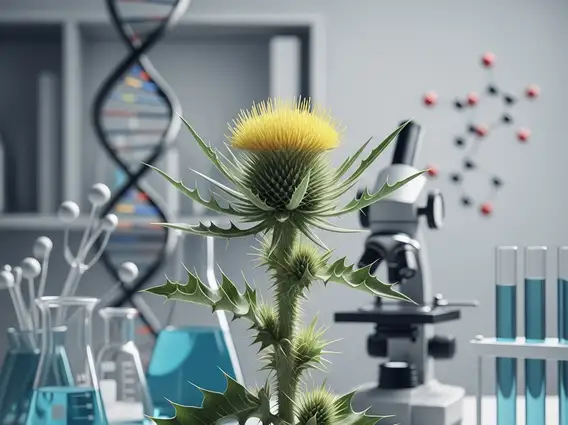
To understand how to identify blessed thistle plant, one should look for its unique physical attributes. It typically grows to a height of 1 to 2 feet, featuring large, oblong, hairy leaves that are deeply lobed and toothed, with prominent spines along the margins. The plant produces solitary, thistle-like flower heads that are yellow and surrounded by spiny bracts, blooming in late spring to early summer. Its stems are often reddish and branched, also covered in fine hairs and spines.
Native Regions & Habitat
Originally indigenous to the Mediterranean region, including parts of Southern Europe, North Africa, and Western Asia, Blessed Thistle thrives in disturbed soils, dry pastures, and waste grounds. It prefers sunny locations and well-drained soil, often found growing wild in fields and along roadsides. Due to its historical use and cultivation, it has since naturalized in various other parts of the world with similar temperate climates.
Traditional Uses & Health Benefits
Historically, Blessed Thistle has been revered for its diverse applications in traditional medicine. The plant’s various parts, particularly its leaves and flowering tops, contain compounds that contribute to its reputed therapeutic effects. Understanding what is blessed thistle used for involves exploring its long-standing role in herbal practices, where its blessed thistle medicinal properties have been leveraged for a range of health concerns.
Digestive Support
One of the primary traditional uses of Blessed Thistle is as a digestive aid. It is believed to stimulate the production of digestive enzymes and bile, which can help improve appetite and alleviate symptoms of indigestion, bloating, and gas. Its bitter compounds are thought to encourage a healthy digestive response, making it a popular ingredient in herbal bitters and tonics aimed at supporting gastrointestinal function.
Lactation & Women’s Health
In women’s health, Blessed Thistle has been traditionally used as a galactagogue, meaning it may help increase milk supply in breastfeeding mothers. While scientific evidence is still developing, anecdotal reports and traditional practices suggest its effectiveness in promoting lactation. It has also been historically used to support overall women’s health, though specific mechanisms beyond lactation support are less defined.
Antioxidant Properties
The plant contains various bioactive compounds, including flavonoids and lignans, which contribute to its antioxidant capacity. Antioxidants help protect the body’s cells from damage caused by free radicals, which are implicated in aging and various chronic diseases. While more research is needed to fully understand the extent of these effects in humans, the presence of these compounds suggests potential benefits for cellular health.
Potential Side Effects & Precautions
While Blessed Thistle offers several traditional benefits, it is crucial to be aware of its potential side effects and necessary precautions. The keyword blessed thistle benefits and side effects highlights the importance of considering both aspects before use. Generally, blessed thistle is considered safe when consumed in moderate amounts; however, some individuals may experience adverse reactions.
Potential side effects can include:
- Digestive Upset: High doses may lead to stomach irritation, nausea, or vomiting.
- Allergic Reactions: Individuals with allergies to plants in the Asteraceae family (e.g., ragweed, chrysanthemums, marigolds) may experience allergic reactions, such as skin rashes or respiratory issues.
- Pregnancy and Breastfeeding: While traditionally used for lactation, pregnant women should avoid blessed thistle as it may stimulate uterine contractions. Breastfeeding mothers should consult a healthcare provider before use.
- Drug Interactions: It may interact with certain medications, particularly those affecting blood clotting or stomach acid. Always consult a healthcare professional if you are taking prescription drugs.
It is always advisable to consult with a healthcare professional before incorporating blessed thistle or any new herbal supplement into your regimen, especially if you have underlying health conditions or are taking other medications. This information is for supportive purposes only and does not replace professional medical advice or treatment.