Bisphosphonate Associated Osteonecrosis
Bisphosphonate Associated Osteonecrosis (BAON) is a rare but serious adverse drug reaction characterized by the progressive destruction and death of bone tissue, predominantly affecting the jaw. This condition is primarily observed in patients undergoing bisphosphonate therapy, which is commonly prescribed for various bone-related conditions.
Key Takeaways
- Bisphosphonate Associated Osteonecrosis (BAON) is a severe bone condition, predominantly affecting the jaw, linked to bisphosphonate use.
- It involves exposed bone in the maxillofacial region that fails to heal after eight weeks in patients currently or previously treated with bisphosphonates.
- Key causes of bisphosphonate osteonecrosis jaw include the drug’s mechanism of action, duration of therapy, and invasive dental procedures.
- Bisphosphonate osteonecrosis symptoms and treatment involve pain, swelling, exposed bone, and management through conservative measures or surgical intervention.
- Effective strategies on how to prevent bisphosphonate related osteonecrosis focus on good oral hygiene, careful dental planning, and risk assessment before treatment.
What is Bisphosphonate Associated Osteonecrosis?
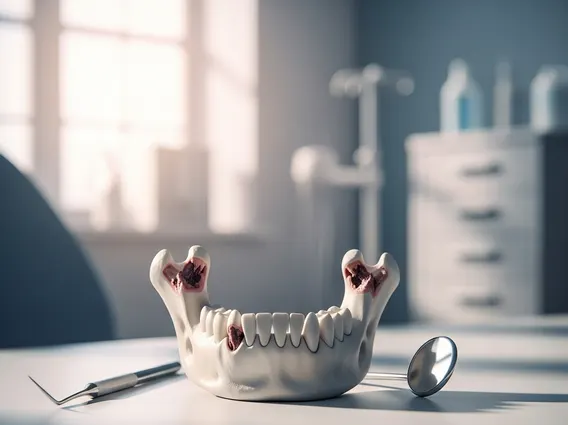
What is Bisphosphonate Associated Osteonecrosis? It is a condition defined by the presence of exposed bone in the maxillofacial region that has persisted for more than eight weeks in patients who are currently or have previously been treated with bisphosphonates, without a history of radiation therapy to the head and neck. While it can occur in other bones, the jaw is overwhelmingly the most common site, leading to the more specific term, Bisphosphonate Associated Osteonecrosis of the Jaw (BAONJ). Bisphosphonates are a class of drugs that inhibit bone resorption, making them effective in treating conditions like osteoporosis, multiple myeloma, and metastatic bone disease. However, this altered bone metabolism can, in rare cases, lead to impaired healing and bone death, particularly after dental trauma or surgery.
Identifying Causes and Risk Factors of BAONJ
Understanding the causes of bisphosphonate osteonecrosis jaw is crucial for both prevention and management. Bisphosphonates work by inhibiting osteoclasts, the cells responsible for breaking down bone. While this strengthens bone, it can also impair the body’s ability to repair micro-damage or heal after injury, especially in areas with high bone turnover like the jaw. The primary risk factors for developing BAONJ include the type and duration of bisphosphonate therapy, with intravenous bisphosphonates carrying a higher risk than oral forms, and prolonged use increasing the likelihood. According to the American Association of Oral and Maxillofacial Surgeons (AAOMS), the incidence of BAONJ in patients taking oral bisphosphonates for osteoporosis is estimated to be between 0.01% and 0.04%, while for intravenous bisphosphonates used in cancer patients, it can range from 0.8% to 12% depending on the specific drug and underlying malignancy.
Other significant risk factors include:
- Invasive Dental Procedures: Tooth extractions, dental implants, or other oral surgeries significantly increase the risk due to the disruption of bone and soft tissue.
- Concomitant Medications: Use of corticosteroids, chemotherapy, or anti-angiogenic drugs can further compromise bone healing and immune response.
- Underlying Medical Conditions: Diabetes, anemia, and pre-existing inflammatory dental diseases (e.g., periodontitis) can heighten susceptibility.
- Poor Oral Hygiene: Inadequate oral care can lead to infections and inflammation, exacerbating the risk of BAONJ.
- Anatomical Factors: Areas with thin mucosa and prominent bone, such as the lingual torus or mylohyoid ridge, are more prone to trauma and subsequent osteonecrosis.
Treatment and Prevention of Bisphosphonate Osteonecrosis
Managing and preventing BAONJ requires a comprehensive approach involving both medical and dental professionals. The goal of treatment is to control pain, manage infection, and minimize the progression of bone exposure, while prevention focuses on identifying and mitigating risk factors before the condition develops.
Recognizing Symptoms of BAONJ
Early recognition of bisphosphonate osteonecrosis symptoms and treatment is vital for better outcomes. Common symptoms include pain, swelling, numbness or a heavy sensation in the jaw, loosening of teeth, and the most definitive sign: exposed bone in the mouth that does not heal. Patients may also experience localized infection, pus discharge, or an altered sense of taste. Treatment strategies vary depending on the stage and severity of the condition. Initial management often involves conservative approaches such as:
- Oral Hygiene: Regular use of antimicrobial mouth rinses (e.g., chlorhexidine) to control bacterial load.
- Antibiotics: Systemic antibiotics to treat or prevent infection in the affected area.
- Pain Management: Analgesics to alleviate discomfort.
- Surgical Intervention: In more advanced cases, limited surgical debridement to remove necrotic bone may be considered, but extensive surgery is generally avoided due to the risk of exacerbating the condition.
Regarding how to prevent bisphosphonate related osteonecrosis, proactive measures are key. Before initiating bisphosphonate therapy, a thorough dental examination is recommended to address any existing oral health issues. This includes:
-
- Comprehensive Dental Assessment: Identifying and treating active infections, periodontal disease, or decayed teeth.
- Elective Dental Procedures: Completing any necessary invasive dental work, such as extractions or implant placements, before starting bisphosphonate treatment.
- Good Oral Hygiene: Maintaining excellent daily oral hygiene throughout bisphosphonate therapy to reduce the risk of infection and inflammation.
- Regular Dental Check-ups: Routine dental visits for professional cleanings and examinations to monitor oral health.
- Patient Education: Informing patients about the risks of BAONJ and encouraging them to report any oral symptoms promptly.
- Risk Assessment: For patients already on bisphosphonates who require invasive dental procedures, a discussion with their prescribing physician about potential drug holidays or alternative strategies may be warranted, though the efficacy of drug holidays in preventing BAONJ remains a subject of ongoing research and should only be considered under strict medical guidance.