
Bispecific Fusion Protein
A bispecific fusion protein represents an innovative class of engineered therapeutic molecules designed to simultaneously engage two distinct targets, offering enhanced precision and efficacy in various medical applications. This advanced biotechnology holds significant promise for treating complex diseases by enabling novel mechanisms of action.
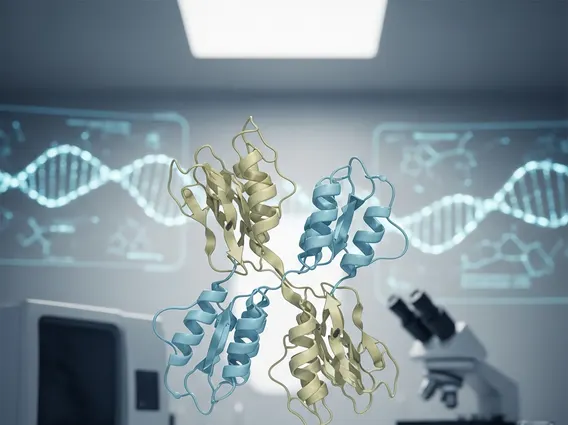
Key Takeaways
- A bispecific fusion protein is a single, engineered protein capable of binding to two different targets concurrently.
- Their mechanism often involves bridging two cell types or two molecules, leading to highly specific therapeutic effects.
- These proteins are primarily utilized in oncology for redirecting immune cells to tumors, but also show promise in autoimmune and infectious diseases.
- The design allows for enhanced specificity, potentially reducing off-target effects compared to traditional monospecific antibodies.
- Several formats exist, demonstrating versatility in therapeutic design and application.
What is a Bispecific Fusion Protein?
A bispecific fusion protein definition refers to a single, recombinant protein engineered to possess two distinct binding specificities. Unlike conventional monoclonal antibodies that bind to only one specific antigen, what are bispecific fusion proteins capable of is engaging two different targets simultaneously. This unique design is achieved by genetically fusing two different antigen-binding domains, such as single-chain variable fragments (scFvs) or nanobodies, into one continuous polypeptide chain. This fusion creates a molecule that can act as a bridge between two different cells or molecules, facilitating novel therapeutic interactions. The core concept behind what is Bispecific Fusion Protein lies in its ability to bring together two elements that would not naturally interact, thereby initiating a desired biological response with high precision.
Mechanism of Bispecific Fusion Proteins
The bispecific fusion protein mechanism is centered on its ability to simultaneously bind to two distinct targets, thereby mediating a specific biological effect. One common mechanism involves redirecting immune effector cells, such as T-cells, to target cells, like tumor cells. For instance, one arm of the bispecific protein might bind to a T-cell surface marker (e.g., CD3), while the other arm binds to a tumor-specific antigen. This dual engagement effectively brings the T-cell into close proximity with the cancer cell, triggering an immune response that leads to tumor cell lysis. Other mechanisms include blocking two different signaling pathways involved in disease progression, or bridging two different molecules to form a therapeutic complex. This dual-targeting capability allows for enhanced specificity and potency, often overcoming limitations of monospecific therapies by initiating a more robust and targeted response.
Applications of Bispecific Fusion Proteins
The versatility of bispecific fusion protein applications spans across several therapeutic areas, with oncology being a primary focus. In cancer treatment, these proteins are revolutionizing immunotherapy by enabling the precise redirection of immune cells to malignant cells. For example, bispecific T-cell engagers (BiTEs) have demonstrated significant clinical success in hematological malignancies by linking T-cells to cancer cells, leading to potent anti-tumor activity. Beyond oncology, bispecific fusion proteins are being explored for autoimmune diseases, where they can simultaneously block multiple inflammatory cytokines or pathways, offering a more comprehensive therapeutic approach. In infectious diseases, they hold potential for targeting both a pathogen and a host factor, or for enhancing vaccine efficacy. Furthermore, their ability to cross biological barriers, such as the blood-brain barrier, is being investigated for drug delivery in neurodegenerative disorders. The development of these advanced biologics represents a significant leap in precision medicine, offering new hope for patients with previously untreatable conditions. According to a review published in Nature Reviews Drug Discovery, the number of bispecific antibodies and fusion proteins in clinical development has significantly increased over the past decade, underscoring their growing importance in the pharmaceutical landscape.



















