Biological
Biology is the scientific study of life and living organisms, encompassing their physical structure, chemical processes, molecular interactions, physiological mechanisms, development, and evolution. Understanding the fundamental principles of biology is crucial for comprehending the natural world and our place within it.
Key Takeaways
- Biology is the comprehensive study of life, from microscopic cells to entire ecosystems.
- Fundamental concepts include cellular organization, heredity, evolution, and homeostasis.
- Key biological processes involve metabolism, reproduction, growth, and adaptation.
- Diverse branches of biology contribute significantly to medicine, agriculture, and environmental conservation.
- Biological research is vital for addressing global challenges and advancing scientific knowledge.
What is Biological?
To understand what is Biological, one must first grasp that it refers to anything pertaining to life or living organisms. This vast field explores the intricate systems that allow life to exist, thrive, and evolve on Earth. From the smallest virus to the largest whale, biology seeks to uncover the universal principles that govern all living things, as well as the unique characteristics that differentiate them.
Basic Biological Concepts Explained
Several foundational ideas underpin the study of biology. These basic biological concepts explained provide a framework for understanding life at various levels:
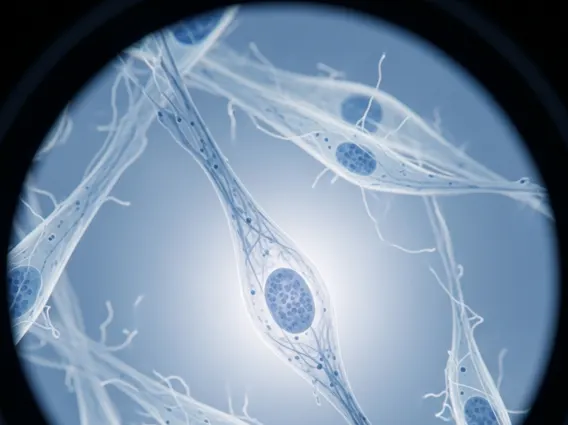
- Cell Theory: All living organisms are composed of cells, which are the basic units of life. Cells arise from pre-existing cells.
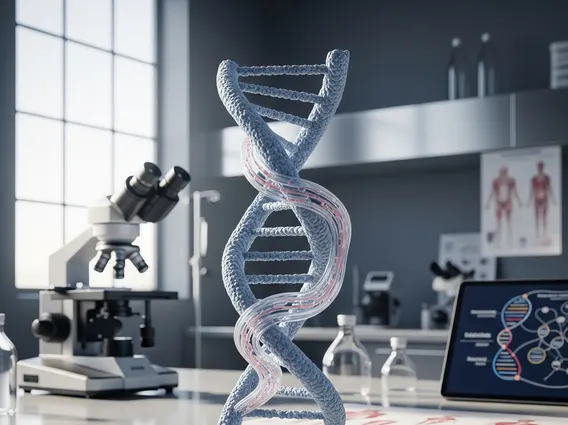
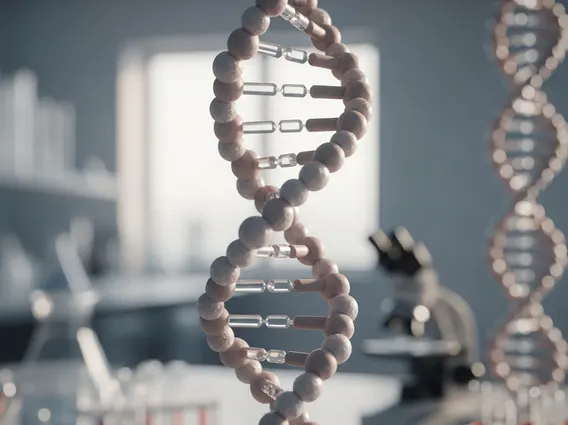
- Heredity: Genetic information, encoded in DNA, is passed from parents to offspring, determining traits and characteristics.
- Evolution: Life on Earth has changed over vast periods through natural selection, leading to the diversity of species we see today.
- Homeostasis: Living organisms maintain a stable internal environment despite external changes, crucial for survival.
- Ecosystems: Organisms interact with each other and their non-living environment, forming complex webs of life and energy flow.
Key Biological Processes
Life is characterized by a series of dynamic activities that enable organisms to survive, grow, and reproduce. Understanding what are biological processes is fundamental to appreciating the complexity and efficiency of living systems. These processes are highly regulated and interconnected, ensuring the continuity of life.
Some of the most critical biological processes include:
- Metabolism: The sum of all chemical reactions that occur within an organism to maintain life. This includes anabolism (building up substances) and catabolism (breaking down substances) to produce energy.
- Reproduction: The process by which organisms create new individuals, ensuring the continuation of their species. This can be asexual (one parent) or sexual (two parents).
- Growth and Development: An increase in size and complexity over time, guided by genetic instructions and environmental factors.
- Response to Stimuli: The ability of organisms to detect and react to changes in their internal or external environment, such as light, temperature, or chemical signals.
- Adaptation: The evolutionary process where organisms adjust to their environment to improve their chances of survival and reproduction.
Branches of Biology and Its Importance
The field of biology is incredibly diverse, with numerous specialized areas of study. The various branches of biology study allow scientists to focus on specific aspects of life, from the molecular level to entire biomes. These branches include:
- Zoology: The study of animals.
- Botany: The study of plants.
- Microbiology: The study of microorganisms like bacteria, viruses, and fungi.
- Genetics: The study of heredity and genes.
- Ecology: The study of how organisms interact with each other and their environment.
- Physiology: The study of the functions and mechanisms within living systems.
The importance of biological research cannot be overstated. It provides the foundational knowledge necessary to address some of the world’s most pressing challenges. For instance, biological research has led to breakthroughs in medicine, developing vaccines, antibiotics, and treatments for diseases like cancer and diabetes. In agriculture, it has improved crop yields and developed pest-resistant plants, contributing to global food security. Furthermore, biological research is crucial for understanding climate change, biodiversity loss, and developing strategies for conservation. According to the World Health Organization (WHO), advancements in biological sciences have been pivotal in increasing global life expectancy and improving public health outcomes over the past century, highlighting its profound impact on human well-being.