Bile Duct
The bile duct system is a vital component of the digestive system, responsible for transporting bile, a digestive fluid, from the liver and gallbladder to the small intestine. Understanding its intricate structure and essential role is crucial for comprehending its significance in overall health.
Key Takeaways
- The bile duct system is a network of tubes that transports bile, which is essential for fat digestion, from the liver and gallbladder to the small intestine.
- Key aspects of bile duct anatomy include the hepatic ducts, cystic duct, and the common bile duct, all working in concert.
- The primary bile duct function involves aiding in the digestion and absorption of fats and fat-soluble vitamins, as well as eliminating waste products.
- Various conditions, such as gallstones, infections, and strictures, can lead to common bile duct diseases.
- Recognizing the symptoms of bile duct problems, like jaundice and abdominal pain, is vital for timely diagnosis and treatment.
What is a Bile Duct? Structure and Role
A bile duct is a tube that carries bile from the liver and gallbladder to the duodenum, the first part of the small intestine. Bile is a greenish-yellow fluid produced by the liver, essential for breaking down fats during digestion and helping the body absorb fat-soluble vitamins (A, D, E, K). The intricate network of these ducts forms a critical pathway in the digestive system.
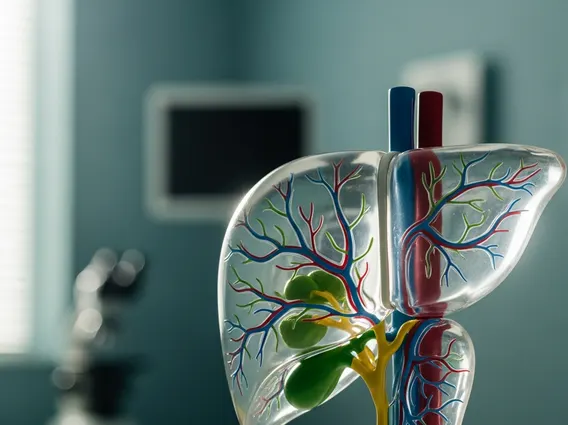
The bile duct anatomy is complex, beginning with tiny ducts within the liver (intrahepatic ducts) that merge to form larger left and right hepatic ducts. These then join outside the liver to form the common hepatic duct. The gallbladder, a small organ that stores and concentrates bile, connects to the common hepatic duct via the cystic duct. The union of the cystic duct and the common hepatic duct forms the common bile duct. This duct then descends and typically joins with the pancreatic duct before emptying into the duodenum through a structure called the ampulla of Vater.
The primary bile duct function is to ensure the efficient flow of bile. When food, particularly fatty food, enters the small intestine, the gallbladder contracts, releasing stored bile through the bile ducts. This bile emulsifies fats, breaking them into smaller droplets that digestive enzymes can more easily process. Beyond digestion, bile also carries waste products, such as bilirubin (a byproduct of red blood cell breakdown) and excess cholesterol, out of the body.
Understanding Bile Duct Conditions and Symptoms
The bile duct system, while robust, can be susceptible to various conditions that impair its function. These are often referred to as common bile duct diseases and can range from mild to severe, requiring prompt medical attention. One of the most prevalent issues involves gallstones, which can migrate from the gallbladder and obstruct the common bile duct, a condition known as choledocholithiasis. This blockage can lead to inflammation and infection of the bile ducts (cholangitis) or the pancreas (pancreatitis).
Other conditions affecting the bile ducts include strictures (narrowing of the ducts), cysts, and, less commonly, tumors. Primary sclerosing cholangitis (PSC), for instance, is a chronic disease that causes inflammation and scarring of the bile ducts, leading to progressive narrowing and blockages. According to the National Institute of Diabetes and Digestive and Kidney Diseases (NIDDK), gallstones are a very common digestive problem, affecting millions of adults in the United States, with a significant percentage potentially leading to bile duct obstruction.
Recognizing the symptoms of bile duct problems is crucial for early diagnosis and effective treatment. These symptoms often arise when bile flow is obstructed or when inflammation occurs. Common indicators include:
- Jaundice: A yellowing of the skin and eyes, caused by the buildup of bilirubin in the blood.
- Abdominal Pain: Often severe, localized in the upper right quadrant of the abdomen, and may radiate to the back or shoulder.
- Fever and Chills: Indicative of an infection (cholangitis) within the bile ducts.
- Dark Urine: Caused by excess bilirubin being excreted through the kidneys.
- Light-Colored or Clay-Colored Stools: Occurs when bile, which gives stool its normal brown color, cannot reach the intestines.
- Nausea and Vomiting: General digestive distress often accompanying bile duct issues.
If any of these symptoms are experienced, it is important to consult a healthcare professional for proper evaluation and management to prevent potential complications such as liver damage or sepsis.