Autonomic Nervous System
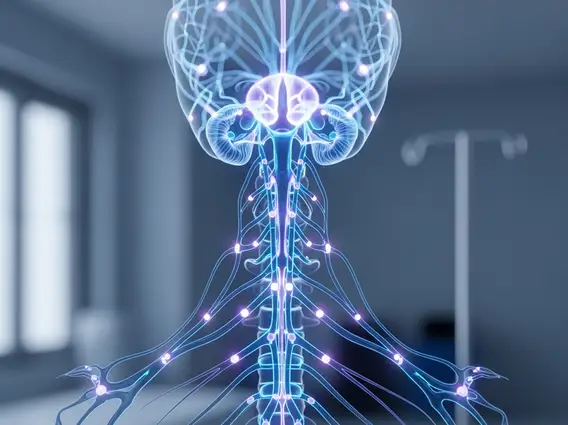
The Autonomic Nervous System (ANS) is a vital part of our nervous system, operating largely without conscious control to regulate essential bodily functions. It ensures our internal environment remains stable, adapting to both internal and external changes.
Key Takeaways
- The Autonomic Nervous System controls involuntary bodily functions like heart rate, digestion, and breathing.
- It comprises two main parts of autonomic nervous system: the sympathetic (fight or flight) and parasympathetic (rest and digest) divisions.
- The primary autonomic nervous system function is to maintain homeostasis, balancing the body’s internal environment.
- Dysfunction in the ANS can lead to various autonomic nervous system disorders, affecting multiple organ systems.
- Understanding the ANS is crucial for comprehending how the body responds to stress and maintains health.
What is the Autonomic Nervous System?
The Autonomic Nervous System (ANS) is a critical component of the peripheral nervous system that regulates involuntary physiological processes. These include heart rate, blood pressure, digestion, respiration, sexual arousal, and pupil dilation. Essentially, it’s the body’s automatic control system, constantly working in the background to maintain internal balance, known as homeostasis. When considering what is autonomic nervous system, it’s important to recognize its role in adapting the body to different situations, from intense physical activity to periods of rest.
Divisions and Key Functions of the ANS
The autonomic nervous system function is primarily carried out by its two main divisions, which often work in opposition to each other to achieve balance. These two parts of autonomic nervous system are the sympathetic and parasympathetic nervous systems, each responsible for distinct sets of responses.
Sympathetic Nervous System
Often referred to as the “fight or flight” system, the sympathetic nervous system prepares the body for stressful or emergency situations. When activated, it increases heart rate, dilates pupils, inhibits digestion, and redirects blood flow to muscles, enhancing physical performance and alertness. This rapid response allows an individual to react quickly to perceived threats or demands, mobilizing the body’s energy reserves.
Parasympathetic Nervous System
In contrast, the parasympathetic nervous system is known as the “rest and digest” system. Its primary role is to conserve energy and promote bodily functions during periods of rest. It slows the heart rate, constricts pupils, stimulates digestion, and relaxes muscles. This division helps the body recover, replenish energy stores, and maintain normal organ function after a stressful event, bringing the body back to a state of calm and equilibrium.
Common Autonomic Nervous System Disorders
When the autonomic nervous system function is impaired, it can lead to a range of conditions known as autonomic nervous system disorders, or dysautonomia. These disorders can affect virtually any body system, as the ANS controls so many involuntary processes. The symptoms vary widely depending on which part of the ANS is affected and the underlying cause.
Common symptoms of autonomic dysfunction may include dizziness or fainting due to orthostatic hypotension (a sudden drop in blood pressure upon standing), abnormal heart rate, digestive issues like gastroparesis or constipation, bladder control problems, excessive or insufficient sweating, and sexual dysfunction. Conditions such as Parkinson’s disease, diabetes, and certain autoimmune diseases can damage the autonomic nerves, leading to these disorders. According to the National Institute of Neurological Disorders and Stroke (NINDS), dysautonomia can be a primary condition or secondary to other diseases, affecting millions worldwide with varying degrees of severity.